More
    Home Blog Page 5

    Wind-Down Debtor: A Complete Guide for Troubled Companies

    0
    wind-down debtor

    When businesses in the USA experience financial distress, decision-makers often weigh options like Chapter 11 bankruptcy or Chapter 7 bankruptcy. Yet, many companies now explore the wind-down debtor path. This strategy allows a distressed firm to close operations in an orderly way, often without the heavy burden of extended legal proceedings. A wind-down debtor approach may involve asset distribution and creditor equality, helping companies manage debts while protecting stakeholders. For troubled companies seeking solutions, this method provides flexibility and control.

    A wind-down debtor plan can serve as a cost-effective alternative to a clean break through bankruptcy. It often includes structured creditor negotiations, careful handling of liabilities, and even elements of company dissolution. Because the wind-down debtor method balances closure with responsibility, it has become a practical option for firms looking to minimize reputational damage while still fulfilling financial obligations.

    What is a Wind-Down Debtor?

    A wind-down debtor is a business that chooses to shut down operations in a controlled way rather than filing for bankruptcy. This approach focuses on company dissolution, the liquidation of assets, and asset distribution among creditors without a court order. While bankruptcy involves an automatic stay, a bankruptcy trustee, and legal oversight, a wind-down debtor plan is guided by management.

    In simple terms, a wind-down debtor means the company still pays debts but avoids the heavy process of legal proceedings. Many view this as a cost-effective alternative because it can reduce legal fees, paperwork, and reputational damage compared to bankruptcy court. Businesses with cooperative creditors often find this method more flexible and humane.

    Bankruptcy vs. Wind-Down Debtor Approach

    The bankruptcy vs. wind-down decision is one of the hardest choices for troubled companies seeking solutions. Bankruptcy offers a clean break through bankruptcy, legal protection, and formal litigation risk management. For example, once you file, creditors must stop their debt collection halt under the law. However, the process is expensive, public, and sometimes damaging to long-term reputation.

    On the other hand, a wind-down debtor plan provides more control. Management decides how to handle creditor negotiations, methodical asset sales, and manage creditor settlements. The process is private and less formal, but it carries risks because creditors may still sue if they feel unfairly treated. This is why understanding the advantages of a wind-down process and the disadvantages of a wind-down is key before leaping.

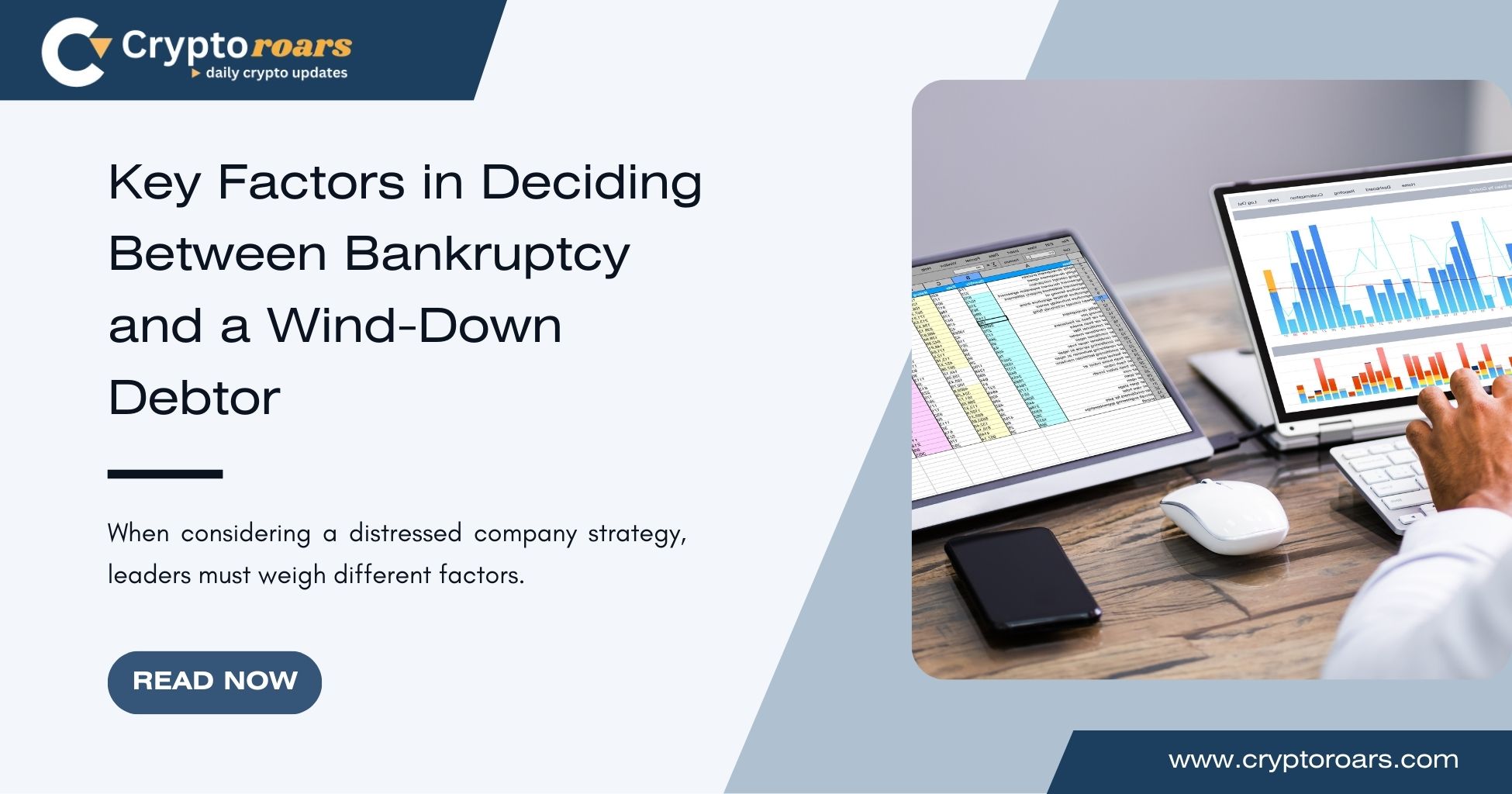
    Key Factors in Deciding Between Bankruptcy and a Wind-Down Debtor
    wind-down debtor

    When considering a distressed company strategy, leaders must weigh different factors. Financial health, type of debt, and willingness of creditors all play major roles. If the company lacks funds even to pay closure costs, bankruptcy may be inevitable.

    Factors to review include:

    • Market and industry conditions in distress (whether assets can be sold quickly).

    • Litigation protection (bankruptcy offers more safeguards than wind-down).

    • Control during dissolution (wind-down gives management power; bankruptcy shifts control to the trustee).

    • Shareholder impact (bankruptcy may eliminate shareholder value, while a wind-down allows some influence).

    • Regulatory environment considerations (industries like finance or healthcare may face stricter rules).

    Wind Down Planning Process

    The planning stage is critical for a wind-down debtor. A well-structured plan prevents chaos, reduces losses, and protects relationships. Companies usually start by assessing all assets and debts, then design a methodical asset sale strategy. This ensures maximum value recovery before closure.

    Planning also requires mapping out strategic financial decisions for distressed firms. These include negotiating settlements, prioritizing creditor equality, and ensuring regulatory compliance. Some firms also consult financial advisors who provide expert advice for financial restructuring. Without careful planning, the risk of lawsuits, confusion, and loss of trust grows significantly.

    Common Scenarios Leading to a Wind-Down Debtor

    A business may choose the wind-down route for several reasons. Sometimes revenues shrink due to declining markets, leaving no room for a business turnaround. Other times, regulatory environment considerations make ongoing operations too costly.

    Typical scenarios include:

    • Technology firms with outdated products that can’t compete.

    • Retail chains are suffering from minimizing losses in declining markets.

    • Startups that ran out of funding and cannot restructure their debts.

    • Companies are facing multiple lawsuits without strong litigation protection.

    Each case is unique, but all share a theme: finding closure in a controlled, less damaging way.

    Risk Management in a Wind-Down Debtor Strategy

    Risk management plays a big role in any wind-down debtor plan. Since the process is not protected by a court like Chapter 11 bankruptcy, there’s always a chance of lawsuits. Smart companies use litigation risk management techniques to reduce exposure. These include documenting all creditor agreements, following industry regulations, and ensuring fair asset distribution.

    Another risk involves employees. The impact on employees and stakeholders is huge in these situations. Clear communication, fair severance, and assistance with job placement can reduce backlash. A company that handles closure with care may even maintain goodwill for future ventures by the same leadership.

    Impact Assessment of a Wind-Down Debtor

    The impact of a wind-down debtor strategy varies depending on the size of the business. For small firms, it often provides closure with dignity. For larger corporations, it affects shareholders, lenders, suppliers, and workers. Residual liabilities may remain if debts exceed assets, creating long-term challenges.

    A helpful way to understand the differences is through comparison.

    Impact Area Bankruptcy (Chapter 7/11) Wind-Down Debtor Approach
    Creditor Protection Strong due to the automatic stay Limited, relies on creditor negotiations
    Control Trustee controls the process Management retains control
    Reputation Public stigma, but structured Private, avoids some reputational damage
    Employee Outcomes Varies, court-supervised Depends on the company’s planning
    Costs High legal fees Lower-cost, more effective alternative

    This table shows why some firms prefer the flexibility of winding down rather than heading straight to bankruptcy court.

    Operational Steps of a Wind-Down Debtor

    The operational process usually begins with asset distribution. Companies must sell equipment, inventory, or intellectual property in a methodical asset sale. Proceeds then go toward paying creditors, with the aim of creditor equality.

    After this, firms address managing creditor settlements. This step requires skill in negotiating with fewer creditors whenever possible. Businesses that manage communication well often avoid expensive disputes. Finally, closure involves legal filings for company dissolution under state-law wind-down procedures. This ensures compliance with rules and reduces future residual liabilities.

    Case Studies: Companies Choosing a Wind-Down Debtor Strategy

    wind-down debtor

    Several well-known companies have chosen to wind down rather than file for bankruptcy. One tech startup in California, for example, opted for a corporate wind-down after failing to secure new investment. Instead of filing for Chapter 11 bankruptcy, it sold its patents, paid suppliers, and supported employees in finding new work. This approach avoided long legal fights and showed the advantages of a wind-down process.

    In another case, a mid-size retail chain chose this strategy after years of declining sales. Management believed bankruptcy would cause severe reputational damage, so they closed stores gradually, liquidated inventory, and settled debts privately. While not easy, this distressed company strategy minimized losses and gave creditors better outcomes compared to bankruptcy.

    As one business lawyer stated:

    “Choosing a wind-down debtor path is about dignity, fairness, and control. It’s not painless, but it can be far more humane than court-driven solutions.”

    Final Thoughts: Is a Wind-Down Debtor the Right Path?

    Deciding whether to use a wind-down debtor plan or bankruptcy is one of the toughest challenges for companies in crisis. Bankruptcy may provide litigation protection, legal structure, and a chance for business turnaround under Chapter 11 bankruptcy. But it also carries high costs, court oversight, and long-term stigma.

    On the other hand, a wind-down offers advantages of a wind-down process, such as flexibility, lower expenses, and more control during dissolution. Yet the disadvantages of a wind-down include exposure to lawsuits, lack of legal shields, and uneven outcomes if creditors refuse to cooperate.

    Every situation is unique. Companies must review market and industry conditions in distress, consider the long-term view of liabilities, and seek expert advice for financial restructuring. With careful planning, a wind-down debtor approach can allow a struggling business to close with fairness, protect relationships, and prepare for a healthier long-term business outlook.

    FAQs About Wind-Down Debtor

    1. What is a wind-down debtor in simple terms?

      A wind-down debtor is a company that shuts down in an orderly way, sells assets, and pays creditors without going through bankruptcy court.

    2. Is a wind-down debtor always better than bankruptcy?

       No. Bankruptcy provides stronger legal protections and an automatic stay, while a wind-     down offers flexibility. The bankruptcy vs. wind-down decision depends on financial       and legal factors.

    1. What happens to employees in a wind-down debtor plan?

      Outcomes depend on management. Many firms provide severance, job placement help, and transparency to reduce the impact on employees and stakeholders.

    2. Do creditors get paid in a wind-down debtor process?

      Yes, through asset distribution and settlements. However, they may not receive full repayment, especially if debts exceed the liquidation value.

    5. Can a wind-down debtor protect the company’s reputation?

    Yes, often better than bankruptcy. By choosing a corporate wind-down, businesses avoid public court cases and reduce reputational damage.

    For more information, keep visiting cryptoroars.com
    What Are the Risks of Buying MSTY?

    0
    What are the risks of buying MSTY

    The MSTY ETF has become a hot topic among U.S. investors who are eager for higher yields in today’s uncertain markets. At first sight, the YieldMax MSTY ETF looks attractive because it offers regular payouts through a buy-write options strategy. This strategy, used within the MSTR Option Income Strategy ETF, makes it sound like investors can earn steady cash without much risk. However, the truth is far more complex, and overlooking the details could put your money in danger.

    What Are the Risks of Buying MSTY? Behind the appealing yields lie potential problems such as counterparty risk, liquidity risk, and the unpredictable nature of option premiums. The structure of this MicroStrategy ETF adds another layer of uncertainty, especially since it links to volatile assets like bitcoin. While some investors see MSTY as a shortcut to high returns, others recognize that the risks may be greater than the rewards. Understanding those risks is essential before investing.

    What Are the Risks of Buying MSTY? and What is MSTY?

    The YieldMax MSTY ETF, officially called the MSTR Option Income Strategy ETF, is not like traditional funds that simply buy and hold shares. Instead, it is an options-based ETF designed to make money from the price swings of MicroStrategy stock.

    MSTY does not directly own MicroStrategy shares. Instead, it creates synthetic long positions using derivatives and then sells call options on top of those positions. This is known as a buy-write options strategy, and it is the core engine of how MSTY produces its income. Rather than depending on company profits or dividends, MSTY collects cash through option premiums. These premiums are then paid out to investors in the form of monthly distributions.

    This structure makes MSTY very different from simply holding a MicroStrategy ETF or a normal dividend-paying stock on What Are the Risks of Buying MSTY?. It is complex, it depends on derivatives, and it comes with risks that many new investors may not fully understand.

    Why MSTY Attracts Investors: What Are the Risks of Buying MSTY?

    Many investors are drawn to MSTY because of its reputation as a high-yield ETF for bitcoin investors. Since MicroStrategy has tied itself so closely to bitcoin, any product linked to its stock gains attention from crypto enthusiasts and income seekers alike. The promise of double-digit payouts every year makes MSTY look like a dream investment.

    For retirees and income-focused investors, the idea of collecting large cash flows every month is highly attractive. Instead of selling their bitcoin-related assets to generate cash, they can invest in MSTY and live off the income. This explains why so many are asking: Should you invest in MSTY ETF?

    But it is important to remember that high payouts always come with trade-offs. The MSTY ETF risks and rewards are not balanced evenly. While the income looks strong, the long-term performance and safety of this fund are much more uncertain.

    The Hidden Risks of MSTY

    What Are the Risks of Buying MSTY?

    The most important step in analyzing MSTY is to look at the dangers beneath the surface. There are several issues that investors must understand before putting their money into this fund.

    What Are the Risks of Buying MSTY? First, the upside is capped. If MicroStrategy stock suddenly jumps in price, MSTY investors will not fully benefit because of the call options sold against the stock. This means that during a bitcoin surge, MSTY holders might miss out on huge profits. Second, tax inefficiency is a major problem. The payouts from option premiums are not treated like qualified dividends. Instead, they are taxed as ordinary income, which can be much higher. This makes MSTY much less appealing for U.S. investors in taxable accounts. Third, counterparty risk in ETFs is real. Because MSTY relies on derivatives, the fund is exposed to the stability of the institutions it trades with. In a financial crisis, this could lead to losses. Fourth, liquidity risk can cause sudden shocks. If large investors pull out, the entire structure of the ETF could face stress.

    These are serious dangers that make MSTY far less safe than traditional ETFs. This is why experts often classify it among the risks of income-seeking ETFs that try to offer more than they can sustainably deliver.

    MSTY ETF Performance Analysis

    Looking at the fund’s past performance, MSTY has delivered eye-catching distributions. But these numbers need careful study. A key point is the difference between distributions vs dividends. In MSTY, much of what is paid out is not profit but a return of capital (ROC). This means investors may just be getting their own money back rather than real earnings.

    The table below shows the difference:

    Feature MSTY Distributions Traditional Dividends
    Source Option premiums & ROC Company earnings & profits
    Tax Treatment Ordinary income, less efficient Qualified dividends, lower tax rate
    Stability Volatile, tied to market swings More stable, based on business cash flow

    Performance also depends heavily on volatility in MicroStrategy stock. If volatility drops or the stock trends strongly in one direction, the buy-write options strategy may fail to deliver the same level of income. This creates a mismatch between expectations and reality.

    MSTY Holdings & Strategy Breakdown

    Unlike a normal MicroStrategy ETF, MSTY does not simply buy stock and hold it. Instead, it builds its positions using synthetic long positions through options contracts. These synthetic positions mimic ownership but add complexity.

    At the same time, MSTY sells call options to generate cash. This approach, known as a covered call ETF explained, works best in sideways markets. It provides steady income when the underlying stock is volatile but not moving too high. However, if the stock surges upward, the capped gains hurt investors. If the stock falls sharply, the income from options may not be enough to cover the losses.

    This structure makes MSTY an advanced product. It is not suitable for investors who want simple, long-term exposure to MicroStrategy or bitcoin.

    Peer Comparison: MSTY vs. Other High-Yield ETFs

    When comparing MSTY to other covered call ETFs, the differences become clear. Many popular funds like QYLD or XYLD use the same strategy but track large indexes such as the Nasdaq 100 or S&P 500. This makes them more diversified and stable.

    MSTY, on the other hand, is tied to a single volatile company, MicroStrategy. That means its risk profile is much higher. Unlike a broad fund, a sharp fall in one stock can wipe out performance quickly. This is one reason analysts warn about the ETF liquidity crisis that can happen in concentrated funds like MSTY.

    For many investors, the best alternatives to MSTY ETF are those with broader holdings, stronger transparency, and more consistent long-term returns.

    Investor Suitability – Who Should (and Shouldn’t) Invest in MSTY

    Not every investor is a good fit for this product. MSTY may appeal to aggressive traders who understand options-based ETFs and are comfortable with volatility. It can also suit those looking for short-term income and willing to accept capped gains.

    What Are the Risks of Buying MSTY? However, for retirees, long-term investors, or anyone relying on stable cash flow, the risks outweigh the rewards. The combination of tax implications of options ETFs, counterparty risk, and liquidity risk makes it unsuitable for conservative portfolios. For most U.S. investors, safer income products or diversified ETFs are better choices.

    This is why financial experts often say: before buying MSTY, ask yourself Is MSTY ETF safe for your financial goals? In most cases, the answer is no.

    Smarter Alternatives to MSTY and What Are the Risks of Buying MSTY?

    What Are the Risks of Buying MSTY? If the risks of MSTY are too high, what are the smarter options? Many investors can benefit from the SMAs vs ETFs income strategy. A Separately Managed Account allows for custom strategies, more control over taxes, and less exposure to pooled risks.

    Other alternatives include traditional dividend-paying ETFs, bonds, or balanced portfolios that mix growth and income. These approaches may not look as flashy as MSTY’s payouts, but they provide more stability and better long-term wealth building. For investors who still want income strategies with bitcoin, a mix of direct bitcoin exposure with safer income funds may be more effective.

    As one wealth manager noted, “Flashy yields often hide fragile structures. Real wealth comes from strategies that balance growth with protection.” This lesson applies directly to MSTY.

    Case Study: When High-Yield ETFs Fail

    What Are the Risks of Buying MSTY?

    To understand MSTY better, consider past examples of similar funds. In the early 2000s, several options-based ETFs and leveraged income products promised sky-high yields. For a while, investors enjoyed big payouts. But when markets changed, many of these funds collapsed, leaving investors with losses far bigger than they expected.

    The same pattern could repeat with MSTY. Its structure depends on constant volatility and strong demand for option contracts. If either of these changes, the fund’s payouts may shrink quickly. This makes it a poor choice for anyone looking for reliable long-term income.

    Frequently Asked on: What Are the Risks of Buying MSTY?

    1. Is MSTY ETF safe for long-term investors?
      No, MSTY carries counterparty risk, liquidity risk, and tax inefficiency, making it risky for long-term holding.
    2. How does MSTY generate income for investors?
      It uses a buy-write options strategy, selling option premiums for cash flow instead of regular dividends.
    3. What are the biggest risks of income-seeking ETFs like MSTY?
      Key risks include return of capital (ROC), synthetic long positions, and the chance of an ETF liquidity crisis.
    4. Should you invest in MSTY ETF now?
      You can, but safer choices exist. Many prefer the SMAs vs the ETFs income strategy for more stability.
    5. What are the tax implications of the MSTY ETF?
      MSTY creates tax inefficiency since payouts come from option premiums and ROC rather than dividends.
    6. What are the best alternatives to MSTY ETF?
      Look into dividend ETFs, SMAs, or income strategies with bitcoin that avoid MSTY’s extreme volatility.

    Final Thoughts: What Are the Risks of Buying MSTY?

    The MSTY ETF risks and rewards are not balanced. While the payouts may look exciting, the dangers behind the structure make it unsuitable for most investors. From tax inefficiency to liquidity risk, from capped upside to reliance on option premiums, the fund carries too many weaknesses.

    For those seeking bitcoin investment income, better strategies exist. Whether through SMAs, diversified covered call ETFs, or traditional dividend funds, the alternatives are safer and more reliable. The most important lesson is this: do not let flashy yields blind you to the hidden dangers of complex products.

    So, when asked Should you invest in MSTY ETF, the answer for most investors is no. The risks outweigh the rewards, and the promise of income comes at too high a cost.

    For more information, keep visiting cryptoroars.com

    What Is a Hyperspeed loan and How Does It Work?

    0
    hyperspeed loan

    Hyperspeed Loans are changing the way people get money when they need it most. Instead of waiting days for approval, this fast borrowing option offers quick access to funds that can arrive the same day. Many Americans now turn to these loans for emergency financial help, whether paying for a car repair, covering unexpected bills, or handling a medical cost. Unlike traditional payday lenders, hyperspeed loans often work as a payday advance alternative, giving you instant relief without the stress of high interest.

    In many cases, you can get a cash advance without a credit check, making it accessible even for those with less-than-perfect scores. This speed and convenience make hyperspeed loans one of the most attractive short-term borrowing solutions today. This article will explore how they work, who they’re best for, and how to stay safe while getting money quickly.

    Why You Might Need a Hyperspeed loan

    Emergencies don’t wait until payday. A Hyperspeed Cash Advance can help when you face sudden medical bills, urgent car repairs, or unexpected travel expenses. Since it’s designed for quick funding options, it’s perfect for moments when instant cash advance without long approval is the only solution.

    For example, if your car breaks down on the way to work, waiting for your paycheck might not be an option. With a cash advance no direct deposit requirement, you can get quick loans without high interest to cover the repair and get back on the road. This type of advance payment app is also a lifesaver when rent is due or a utility bill is about to be cut off.

    How a Reputable Provider Delivers Instant, No-Fee Cash Advances

    A trustworthy lender offering a cash advance with no fees follows a clear, safe process. First, they provide full transparency on the amount you’ll borrow and when you’ll repay it. Second, they process requests 24/7 to ensure you have same-day cash advance access when needed.

    Most best cash advance apps use secure verification to confirm your identity. Then, they process the instant cash advance without long approval and send funds through instant bank transfer methods. The entire process is designed to protect borrowers while giving them emergency financial help without subscription costs or hidden fees. That’s why finding cash advance no subscription services is so important.

    Real-Life Scenarios Where a Hyperspeed Cash Advance Is a Lifesaver

    Imagine a parent whose child suddenly needs school supplies for a project due tomorrow. With no extra money on hand, a cash advance immediately allows them to buy everything without delay. Or picture a delivery driver whose vehicle breaks down hours before their shift — they can use a quick access to funds service to cover repairs and get back to work the same day.

    These situations show why cash advance vs payday loan matters. Payday loans often have high fees and interest, while cash advance without credit check services focus on affordability and speed. It’s about solving problems, not creating bigger ones.

    Comparing Hyperspeed loan to Other Quick Funding Options

    When you compare a Hyperspeed Cash Advance to a payday loan, personal loan, or credit card cash advance, the differences are clear. A payday loan might require heavy fees and short repayment terms. A personal loan could take days for approval. Credit card advances often come with high interest and additional charges.

    Here’s a comparison:

    Funding Option Speed of Funds Fees/Interest Credit Check Required Best For
    Hyperspeed Cash Advance (No Fees) Minutes to hours None No Emergencies
    Payday Loan Hours to days High Sometimes High-risk borrowers
    Personal Loan Days to weeks Low to medium Yes Planned expenses
    Credit Card Cash Advance Minutes to hours High Yes Cardholders

    Avoiding Loan Scams While Seeking Quick Funds


    Scammers target people searching for a cash advance near me or how to get instant funds online. They often promise easy money but then demand upfront payments or personal details that can be misused.

    To stay safe, only use no-credit-check cash advance apps that are regulated and have positive customer reviews. Avoid anyone asking for gift cards or wire transfers as a condition for lending. And remember, responsible borrowing tips include double-checking a lender’s credentials before sharing your bank details.

    9 Red Flags of Loan Scams to Watch Out For

    Knowing the warning signs can save you from losing money. Be cautious if a lender:

    1. Demands payment before sending funds.
    2. Refuses to provide written terms.
    3. Guarantees approval without verifying identity.
    4. Pressures you to act immediately.
    5. Uses an unprofessional website or email address.
    6. Has no physical address or contact number.
    7. Asks for sensitive personal data too early.
    8. Offers unrealistic loan amounts.
    9. Avoids answering direct questions.

    How to Vet a Lender Before Applying for a Hyperspeed loan

    Before requesting a $100 instant cash advance or any loan, check if the lender is registered in your state. Look for reviews from real customers and confirm their website uses secure encryption. 

    You can also contact your local consumer protection agency to verify if there are complaints against them. A good provider will be transparent, explain the repayment terms, and never hide costs. If you feel pressured or uncertain, walk away and find a better advance pay app.

    What to Do If You’ve Been Scammed

    hyperspeed loan

    If you suspect you’ve fallen victim to a scam, act fast. Contact your bank to stop any pending transactions and report the fraud to the Federal Trade Commission (FTC). File a police report if necessary, and keep all communication records with the scammer.

    Also, warn others by leaving reviews online and reporting the lender to your state’s financial regulator. Quick action can help you recover funds and prevent others from being targeted.

    Frequently Asked Questions about Hyperspeed loan

    What are Hyperspeed Loans?
    Hyperspeed Loans are fast, no-fee cash advances that give you instant funds directly to your account.

    How do Hyperspeed Loans work?

    They link to your bank account or debit card to provide quick access to funds, often within minutes.

    Can I get Hyperspeed Loans with bad credit?

    Yes, you can get a cash advance for bad credit since many providers don’t require a credit check.

    Is a Hyperspeed Loan the same as a payday loan?

    No, it’s a payday advance alternative with lower risk, no hidden fees, and more flexible repayment.

    How fast can I receive money with Hyperspeed Loans?

    You can get a same-day cash advance or even an instant bank transfer loan in just minutes.

    Conclusion

    Using a Hyperspeed loan wisely can improve your financial stability. Borrow only what you need, and make sure you can repay on time. Avoid using short-term loans for non-urgent purchases.

    Develop a small emergency savings fund to reduce future reliance on borrowing. Remember, quick loans without high interest are a tool, not a habit. Building healthy money habits today ensures you won’t depend on loans for every unexpected expense.

    For more information, keep visiting cryptoroars.com