
More
    Home Blog

    Cryptocurrency Regulations and Sustainability: A Complete Global Overview

    0
    Cryptocurrency Regulations

    Introduction: Why Cryptocurrency Regulations are Evolving

    The world of digital assets is growing faster than anyone expected. Millions of people are now using cryptocurrencies, and governments are racing to catch up with this change. The need for cryptocurrency regulations has become urgent, especially in large markets like the United States, where lawmakers are debating how to create fair rules. These new frameworks are not only about taxes or preventing fraud, but also about ensuring financial system stability and building trust among investors. Without clear laws, it is hard for companies, consumers, and institutions to fully embrace digital assets adoption.

    At the same time, there is growing attention on crypto sustainability regulations because the environmental impact of crypto mining cannot be ignored. Many blockchains use high amounts of electricity to run their networks, creating debates about pollution and energy waste. Policymakers and regulators now face two big challenges: making crypto safe and making it sustainable. This balance of innovation vs regulation in crypto will shape the industry’s future. For the first time, technology, climate, and financial rules are coming together to decide how far this revolution can go.

    The Link Between Cryptocurrency and Sustainability

    Cryptocurrency Regulations Cryptocurrency Regulations

    One of the biggest questions today is how to connect crypto and sustainability in a way that benefits both the economy and the environment. While cryptocurrencies have been praised for innovation, they have also been criticized for their heavy carbon footprint. Mining proof-of-work vs proof-of-stake blockchains shows a clear difference in energy use. For example, Bitcoin requires massive electricity consumption, while Ethereum’s shift to proof-of-stake reduced energy costs by over 99%. This proves that sustainable crypto practices are not just possible, but essential.

    Investors and users increasingly demand eco-friendly solutions. The rise of eco-friendly blockchain projects shows a clear direction for the future. Companies are now exploring renewable energy mining options like wind, solar, and hydropower to reduce emissions. Reports also suggest that green fintech solutions powered by green AI optimization can help minimize waste and maximize efficiency. If regulators enforce crypto sustainability regulations, more projects will be forced to adopt these approaches. Ultimately, the link between sustainability and crypto adoption is strong because a greener reputation improves global acceptance and drives broader trust in this digital economy.

    United States Crypto Regulations: SEC, CFTC, and FIT21 Debate

    The United States cryptocurrency regulations are at the heart of global discussions because the country remains one of the largest hubs for innovation and investment. Agencies like the SEC (Securities and Exchange Commission) and CFTC (Commodity Futures Trading Commission) often clash over which authority should oversee digital assets. This lack of clarity has created confusion for businesses and investors, slowing down digital assets adoption. The FIT21 Act, currently under debate, is designed to bring a modern framework that clarifies definitions, separates powers between regulators, and ensures consumer protection in crypto.

    American lawmakers face the challenge of encouraging innovation without creating loopholes that lead to fraud or collapse. Many experts argue that if rules are too strict, companies may move overseas, where regulations are friendlier. On the other hand, weak rules can lead to risks like scams or financial instability. That is why the U.S. is trying to strike a middle ground, offering crypto compliance tools and encouraging companies to follow fair practices. For the global market, the decisions made in Washington will have lasting influence, as other countries often model their own regulated cryptocurrency environment on the American system.

    European Union’s MiCA and ESG Disclosure Requirements

    In Europe, the European Union’s MiCA (Markets in Crypto-Assets regulation) represents one of the most detailed legal frameworks ever introduced. MiCA focuses on investor protection, transparency, and the reduction of risks within the crypto market. But what sets it apart is its attention to sustainable blockchain adoption. The EU has included ESG (Environmental, Social, and Governance) disclosure rules that require companies to reveal the environmental cost of their blockchain activities. This creates accountability and pushes projects toward eco-friendly customer attraction by adopting sustainable crypto practices.

    The EU model is a strong example of combining finance with climate goals. Regulators want the industry to remain innovative, but not at the cost of rising energy consumption. By requiring public reporting on sustainability, the EU is shaping the future of crypto sustainability regulations. This approach also reflects the European commitment to climate-conscious growth. Many analysts believe that MiCA may serve as a blueprint for other countries, setting global standards that merge financial safety with green responsibility. It highlights how innovation vs regulation in crypto can achieve balance when policies are carefully designed.

    Britain’s Approach to Crypto and Stablecoin Regulation

    Britain is also stepping forward with its own model of cryptocurrency regulations. After Brexit, the UK wanted to show leadership in financial innovation. British regulators are working to create laws for both cryptocurrencies and stablecoins vs Bitcoin volatility issues. Stablecoins, with their steady value, are becoming crucial for daily transactions and business payments. This includes the rising Bitcoin payroll trend and stablecoin salary payments, which are particularly popular in the tech sector crypto adoption space. By focusing on stablecoins, the UK hopes to strengthen its reputation as a crypto-friendly payroll solutions hub.

    The British model emphasizes investor protection, financial stability, and international competitiveness. Regulators know that innovation vs regulation in crypto is a delicate balance, and they want to attract global fintech players to London without losing oversight. The country is also exploring how digital assets can fit into its existing financial system while addressing environmental concerns. Britain’s careful yet forward-looking approach shows how crypto can be integrated into established economies with responsible rules that encourage both trust and innovation.

    Asian Digital Currency Laws: China, Japan, and South Korea

    Asia has become a key battleground for crypto sustainability regulations. Different countries have taken very different paths. China’s crypto ban/restrictions stand as one of the strongest crackdowns in the world. At the same time, China’s state media influence plays a huge role in shaping how citizens view foreign digital assets. Campaigns like the Nvidia H20 chips narrative show how media is used to promote domestic technology while discouraging global crypto activity. This shows how state-controlled media narratives can affect not just public opinion but also global adoption trends.

    On the other hand, Singapore crypto framework and Japan’s digital asset laws are far more supportive. Singapore has created clear guidelines that encourage financial innovation in Asia, while Japan requires strict licensing to ensure consumer protection in crypto. South Korea also enforces transparency by requiring real-name accounts for crypto transactions. These varying approaches highlight how different governments handle the challenges of sustainability, regulation, and innovation. Asia proves that there is no single model, but each system reflects local values, economic priorities, and environmental commitments.

    Brazil, Latin America, and Emerging Market Frameworks

    Latin America is another region where crypto and sustainability are gaining attention. Brazil has passed detailed regulations that recognize cryptocurrencies as part of its payment system. This opens doors for payroll in cryptocurrencies, Bitcoin payroll trend, and new fintech services for unbanked populations. Brazil also highlights renewable solutions, as many of its mining activities now rely on Renewable energy in crypto mining, particularly hydropower. This positions Brazil as a leader in sustainable practices among emerging markets.

    Other Latin American countries are experimenting too. El Salvador famously adopted Bitcoin as legal tender, showing a bold but risky move. However, many smaller economies see fintech solutions as a way to improve access to money for people without bank accounts. The combination of crypto sustainability regulations and innovation could transform Latin America into a hub for digital finance. These countries want to encourage eco-friendly blockchain systems while solving local challenges like inflation and weak financial infrastructure. Their experiments may provide valuable lessons for the rest of the world.

    Middle East and African Perspectives on Crypto Regulation

    The Middle East and Africa are also entering the race to define cryptocurrency regulations. Countries like the UAE are building strong, regulated cryptocurrency environment systems to attract global investors. Dubai, for example, has set up free zones where crypto businesses can operate under clear rules. This attracts both eco-friendly customers and high-tech projects that explore AI in fintech. The region’s oil wealth also supports heavy investments in renewable projects, meaning Renewable energy in crypto mining has a promising future here.

    In Africa, nations are more cautious but equally interested. Nigeria has lifted some bans on crypto trading, while South Africa has included digital assets in its tax system. These countries often see crypto as a solution for financial inclusion since millions lack access to traditional banks. At the same time, they are exploring how sustainable blockchain adoption can limit environmental damage while still encouraging growth. The Middle East and Africa show how diverse local conditions influence the balance between regulation, adoption, and sustainability.

    The Environmental Dilemma of Proof-of-Work Mining

    The debate around crypto sustainability regulations often begins with one core issue: the environmental impact of crypto mining. Bitcoin, which relies on proof-of-work vs proof-of-stake, is one of the most energy-hungry digital assets in the world. Mining requires enormous computer power, which consumes vast amounts of electricity. In many countries, this electricity comes from fossil fuels, making mining a contributor to carbon emissions. Critics argue that the cost of securing the network is too high when the planet is under pressure to cut greenhouse gases. These concerns have led governments and climate activists to push for stronger environmental oversight.

    Yet, Bitcoin mining also shows how innovation can respond to challenges. Some companies have shifted to renewable energy in crypto mining, building farms powered by solar, wind, or hydropower. Others have repurposed wasted energy sources, like excess natural gas, to run mining rigs. These eco-focused projects prove that the mining industry is capable of reform. However, without strong crypto sustainability regulations, not all players will adopt these changes voluntarily. Striking a balance between maintaining a secure network and addressing climate concerns is now one of the most urgent issues in crypto.

    Sustainable Alternatives: Proof-of-Stake and Green Mining

    As criticism of proof-of-work grows louder, alternatives like proof-of-stake have become central to sustainable blockchain adoption. Ethereum’s famous transition in 2022, known as the Merge, cut its energy use by more than 99%. This massive reduction demonstrated the potential of eco-friendly blockchain technology to minimize harm while keeping networks secure. With proof-of-stake, validators replace miners, reducing the demand for electricity and making the system much greener. Many new blockchains are now designed with this model, helping drive sustainable crypto practices across the industry.

    At the same time, projects focused on green fintech are exploring new ways to make mining less damaging. From hydro-powered facilities in Brazil to solar farms in Texas, renewable energy mining is becoming a competitive business strategy. Companies that embrace green AI optimization are finding ways to reduce costs and appeal to climate-conscious investors. For governments, this trend offers an opportunity: by encouraging crypto sustainability regulations, they can force adoption of these methods across the sector. The more sustainability is integrated into blockchain systems, the greater the chance of building a reputation that attracts global trust.

    Fintech Innovations: AI, Blockchain, and Energy Efficiency

    The fusion of AI in fintech and blockchain is changing how we view sustainability. Companies are building AI-driven risk assessment tools to monitor transactions and detect suspicious activity. Others are using automated compliance systems that help meet strict regulations without slowing down business growth. These tools allow fintech startups to scale while staying within legal limits. This innovation shows how crypto compliance tools can reduce risks, enhance security, and support consumer protection in crypto. It also reflects how smart technology is becoming a partner in regulation rather than an obstacle.

    Beyond compliance, climate-conscious fintech is leveraging AI to manage energy more efficiently. Mining operations, for example, can use green AI optimization to balance loads, cut waste, and align with environmental standards. These innovations don’t just protect the planet, they also save money, proving that sustainability and profitability can work hand in hand. When governments encourage crypto sustainability regulations, they also open the door for creative solutions that merge finance, technology, and environmental responsibility. This merging of fintech and green practices will likely define the cryptocurrency future outlook over the next decade.

    The Role of Central Bank Digital Currencies (CBDCs) in Regulation

    Central Bank Digital Currencies (CBDCs) are changing the way governments think about digital assets. Unlike cryptocurrencies, CBDCs are state-backed, offering stability while maintaining digital convenience. Many nations, from China to the U.S., are exploring how CBDCs fit into their economic systems. For regulators, these assets provide a way to bring innovation under official control. They can strengthen financial system stability and reduce risks tied to decentralized tokens. CBDCs may even reshape how payroll in cryptocurrencies and crypto HR solutions operate in the future.

    However, CBDCs also raise new challenges. Critics argue that they may give governments too much control, limiting the freedom that cryptocurrencies represent. Yet for many nations, the potential benefits outweigh the risks. CBDCs can improve financial inclusion, support faster cross-border payments, and reduce reliance on private tokens. By introducing regulated cryptocurrency environment models, central banks can keep innovation alive while protecting economies from volatility. Whether they compete with or complement cryptocurrencies, CBDCs will play a central role in shaping the balance between innovation and regulation in global finance.

    The Intersection of Climate Policy and Crypto Market Volatility

    Another growing area of study is how climate policies interact with crypto markets. For example, stricter climate regulations often raise energy costs. Since mining is highly energy-dependent, this can increase operational expenses and lead to greater volatility in coin prices. Studies on the relationship between climate-conscious fintech policies and cryptocurrency regulations show a clear connection between carbon reduction strategies and token values. The environmental impact of crypto mining is no longer only an environmental debate; it’s becoming a financial stability issue.

    Volatility isn’t just about supply and demand anymore. If a government introduces stricter emissions laws, miners may need to shut down or move to countries with friendlier rules. This creates ripple effects in token availability and market confidence. Analysts believe that future crypto sustainability regulations will link directly to global climate agreements. As countries adapt their energy frameworks, crypto will feel the effects. By aligning sustainable blockchain adoption with climate goals, the market may eventually stabilize, ensuring growth without threatening environmental progress.

    Media, Public Perception, and Government Narratives

    The role of media in shaping opinions about cryptocurrency cannot be ignored. In countries like China, China’s state media influence controls how people view foreign assets. Narratives such as the Nvidia H20 chips narrative show how governments can create stories that paint foreign technologies as unsafe or environmentally harmful. These state-controlled media narratives play a huge role in consumer trust, often discouraging tech sector crypto adoption and boosting domestic projects instead. Public perception can therefore shift rapidly depending on what governments want to highlight or suppress.

    In the U.S. and Europe, the media plays a different but equally powerful role. Outlets often cover the dangers of scams, volatility, or environmental issues linked to mining. At the same time, positive reporting about eco-friendly blockchain and green fintech projects can increase investor confidence. This dual role of media as both critic and promoter is vital for shaping how ordinary people view cryptocurrencies. When combined with crypto sustainability regulations, public trust can either grow or decline depending on the narrative that dominates headlines.

    The Future of Stablecoins: Regulation, Salaries, and HR Adoption

    Stablecoins are at the center of the Crypto salary trend in the tech sector. Many businesses are experimenting with stablecoin salary payments to reduce risks tied to stablecoins vs Bitcoin volatility. Unlike Bitcoin, stablecoins maintain a fixed value, making them ideal for daily transactions, payroll, and savings. This is why companies offering crypto-friendly payroll solutions are gaining popularity, especially among younger workers who prefer digital-first payment systems. These changes highlight how payroll and HR departments must adapt to new financial technologies.

    However, stablecoins also face regulatory hurdles. Governments are still figuring out how to monitor their use, prevent illegal activity, and maintain financial system stability. Some worry that if stablecoins grow too big without oversight, they may threaten central banks. Others see them as a bridge to mainstream adoption. The role of cryptocurrency regulations will be critical in determining how fast stablecoins expand. If crypto compliance tools and automated compliance systems become widespread, stablecoins may soon become a standard part of global payroll systems.

    Psychological Impact of Volatility on Investors

    Beyond financial rules, it’s important to remember the human side of crypto. Investors often feel the emotional weight of price swings, and the psychological impact of volatility can’t be underestimated. Many newcomers suffer stress when markets crash, leading to poor decision-making. Long-term holders, meanwhile, must balance patience with risk. This psychological factor is one reason why governments emphasize consumer protection in crypto when designing cryptocurrency regulations. Without protections, people may lose life savings during extreme market moves.

    Regulators hope that stricter oversight and regulated cryptocurrency environment frameworks will reduce volatility. At the same time, AI-driven risk assessment tools and automated compliance systems help platforms guide users toward safer investments. For individuals, understanding the mental strain of constant market shifts is essential. The more crypto sustainability regulations connect financial health with climate responsibility, the more investors may find confidence in the system. A secure and stable market is not only about numbers, but also about protecting the well-being of millions of participants.

    Case Studies: Ethereum Merge and Bitcoin Mining Bans

    Case studies reveal how real-world events shape the discussion on crypto and sustainability. The Ethereum Merge, for example, was a landmark event. By switching from proof-of-work to proof-of-stake, Ethereum cut energy usage by over 99%. This single move set a new benchmark for sustainable blockchain adoption and encouraged other projects to explore greener models. It also boosted confidence among climate-conscious investors who now see proof-of-stake as the future. Regulators use this example to show how innovation vs regulation in crypto can work in harmony.

    Another important case involves Bitcoin mining bans in countries like China. The China crypto ban/restrictions forced miners to move overseas, reshaping the global mining industry. Many relocated to the U.S., Kazakhstan, and Canada, where renewable energy in crypto mining options became available. These bans also exposed how quickly political decisions can disrupt markets. While critics saw them as extreme, others viewed them as necessary to reduce environmental harm. Together, these case studies highlight how crypto sustainability regulations can either encourage positive reforms or create dramatic shifts in the global market.

    Predictions: The Future of Crypto in a Regulated and Sustainable World

    Looking ahead, the cryptocurrency future outlook will depend heavily on how well we balance innovation vs regulation in crypto. Governments, investors, and innovators must work together to ensure safety while supporting growth. With crypto sustainability regulations becoming a global priority, more projects will turn to eco-friendly blockchain systems, renewable energy mining, and green fintech solutions. These shifts will help cryptocurrencies maintain legitimacy and gain mainstream trust. A regulated cryptocurrency environment will also attract institutional investors who demand both stability and sustainability.

    At the same time, the rise of AI in fintech, crypto HR solutions, and crypto-friendly payroll solutions will transform daily use. The Bitcoin payroll trend and stablecoin salary payments are only the beginning. Businesses worldwide are slowly adopting these models, and regulators will need to ensure that consumer protection in crypto remains strong. As more countries create frameworks inspired by the EU’s MiCA or the U.S. FIT21 Act, a global set of principles may emerge. The goal is to achieve both climate goals and financial safety without crushing creativity.

    Conclusion: Striking the Balance Between Innovation and Regulation

    Cryptocurrency Regulations

    In conclusion, the path forward requires striking a careful balance. The world must embrace crypto sustainability regulations to address the environmental impact of crypto mining while ensuring that innovation does not die out. Clear laws create financial system stability, encourage eco-friendly customer attraction, and protect users from fraud. At the same time, flexible rules allow room for sustainable blockchain adoption and fintech creativity. By blending these approaches, governments can support growth without ignoring climate goals.

    The lesson is clear: cryptocurrency is no longer a fringe experiment. It is a global financial system with the power to reshape economies. But for it to survive, it must also adapt. Whether through AI-driven risk assessment tools, green AI optimization, or regulated cryptocurrency environment frameworks, the industry must commit to both responsibility and progress. If the balance between innovation vs regulation in crypto is achieved, then the cryptocurrency future outlook is one of resilience, sustainability, and global adoption.

    FAQs on Cryptocurrency Regulations

    Q1: What are Cryptocurrency Regulations, and why do they matter?

    Cryptocurrency Regulations are rules made by governments to control how digital currencies are used, traded, and stored. They matter because they help protect investors, reduce scams, and create trust in the crypto market. Without Cryptocurrency Regulations, many people could face risks like fraud, money laundering, or market manipulation.

    Q2: How do Cryptocurrency Regulations affect Bitcoin and Ethereum?

    Cryptocurrency Regulations affect Bitcoin, Ethereum, and other digital assets by deciding how they can be mined, traded, or taxed. For example, some countries allow mining only if it uses clean energy, while others place strict rules on exchanges. Strong Cryptocurrency Regulations make these assets safer for mainstream adoption.

    Q3: Are Cryptocurrency Regulations the same in every country?

    No, Cryptocurrency Regulations are different across the world. In the U.S., agencies like the SEC and CFTC are involved. In the EU, MiCA provides a unified framework. Asian countries like Japan and Singapore also have their own strict Cryptocurrency Regulations. Each country designs rules based on its economy and risk tolerance.

    Q4: Do Cryptocurrency Regulations slow down innovation?

    Many people fear that Cryptocurrency Regulations could limit innovation, but in reality, they often help the market grow safely. Clear rules attract investors who want a stable and legal environment. In fact, many fintech companies argue that smart Cryptocurrency Regulations actually push the industry forward while reducing risks.

    Q5: How do Cryptocurrency Regulations address sustainability issues?

    Today, Cryptocurrency Regulations also focus on climate goals. Governments want mining companies to use renewable energy and reduce their carbon footprint. By linking crypto laws to sustainability, regulators push for greener blockchain technology. These eco-friendly rules show that Cryptocurrency Regulations are about both finance and environmental responsibility.

    Q6: Can Cryptocurrency Regulations stop scams and fraud?

    Yes, one of the main goals of Cryptocurrency Regulations is to protect consumers from scams. By forcing exchanges to verify users, report suspicious activity, and use crypto compliance tools, regulators reduce fraud cases. Strong Cryptocurrency Regulations create safer markets where investors feel more confident.

    For more information, keep visiting cryptoroars.com

    The Most Climate-Friendly Digital Assets of 2025

    0
    Climate-Friendly Digital Assets

    Introduction to Climate-Friendly Digital Assets

    The world of digital finance is changing fast, and 2025 is the year when climate-friendly digital assets will finally move to the center of attention. Investors across the United States are no longer looking only at profit. They are also asking how much energy a cryptocurrency uses and whether it harms the planet. This is because people now care more about eco-friendly blockchain systems and want their money to support a green financial ecosystem.

    In this new environment, many projects are focusing on sustainable investment in crypto by reducing their carbon emissions and adopting energy-efficient consensus mechanisms. These projects show how blockchain for sustainability is no longer a distant dream. Instead, it is becoming a reality where carbon-neutral cryptocurrencies lead the way, making the world of finance more responsible.

    Why Sustainability Matters in the Crypto Industry

    The crypto industry has been criticized for its heavy use of power, especially when Proof-of-Work (PoW) blockchains like Bitcoin used vast amounts of electricity. Reports showed that sustainable crypto mining is needed to prevent huge amounts of carbon from entering the atmosphere. In the United States, where environmental awareness is high, both individuals and institutions now demand eco cryptocurrency projects that cut down waste and protect resources.

    Sustainability matters because digital finance is no longer small. Millions of users trade daily, and the energy used has real-world consequences. By focusing on renewable-powered crypto operations and green blockchain technology, the industry can create scalable green crypto solutions. This path is vital not only for businesses but also for environmentally conscious investors who want their money to support good causes while still earning profits.

    Understanding the Environmental Impact of Traditional Cryptocurrencies

    Traditional cryptocurrencies relied heavily on Proof-of-Work (PoW), where miners used machines to solve complex puzzles. This method consumed more electricity than some entire countries. The high energy use led to a huge crypto carbon footprint, which increased emissions and raised concerns about climate change. In addition, sustainable crypto mining was nearly impossible because the electricity often came from fossil fuels rather than clean energy.

    The negative effects included massive e-waste, as mining machines quickly became outdated, and power grid pressures that forced some countries to ban or restrict mining. In the USA, regulators now monitor crypto mining more closely. This has created demand for low-energy blockchain networks and renewable energy integration in mining.

    The Shift From Proof-of-Work to Proof-of-Stake and Beyond

    The transition from Proof-of-Work (PoW) to Proof-of-Stake (PoS) is one of the biggest changes in crypto history. Ethereum’s “Merge” in 2022 showed how much energy could be saved when a blockchain switches from PoW to PoS. With PoS, validators are chosen based on their stake, which means less power use and more energy-efficient consensus mechanisms.

    But innovation does not stop there. New models like Delegated Proof-of-Stake (DPoS), Proof-of-Space and Time (PoST), the Stellar Consensus Protocol (SCP), and the Hashgraph algorithm are creating even more eco-friendly blockchain networks. These systems show that the future of eco-friendly crypto will depend on constant progress in technology.

    How Green Cryptocurrencies Reduce Carbon Footprints

    Green cryptocurrencies focus on reducing crypto carbon footprint by using advanced consensus models and relying on renewable energy. Many have pledged to become carbon-neutral cryptocurrencies by partnering with carbon offset programs. This is part of how carbon offset in crypto works, ensuring that emissions are balanced out by supporting environmental projects.

    Another way these projects cut emissions is by creating renewable-powered crypto operations. Instead of using coal or oil, some blockchains and miners now use wind, solar, and hydro energy. This renewable energy integration in mining allows crypto to become more sustainable and respected as part of a green financial ecosystem.

    Top 10 Most Sustainable Cryptocurrencies in 2025

    1. Cardano (ADA)

    Cardano (ADA) uses the Ouroboros protocol, one of the first scientifically proven PoS systems. It is one of the best examples of energy-efficient consensus mechanisms, using far less power than PoW. Cardano also invests in social impact projects and supports eco cryptocurrency projects around the world.

    Feature Cardano (ADA)
    Consensus Ouroboros protocol (PoS)
    Energy Use Very low
    Special Focus Social and environmental impact

    2. Tezos (XTZ)

    Tezos (XTZ) runs on a self-amending low-energy blockchain network. Its consensus mechanism is based on Proof-of-Stake (PoS), which makes it a highly environmentally friendly digital currency. The platform is popular for green NFT solutions, allowing artists and brands to mint NFTs without heavy emissions.

    3. BitGreen (BITG)

    BitGreen (BITG) was created to promote sustainability. Its eco-friendly wallet (BitGreen wallet) supports transactions that align with green blockchain technology. It also connects users with projects in renewable energy and ethical finance.

    4. Chia (XCH)

    Chia (XCH) uses Proof-of-Space and Time (PoST) instead of PoW. This means it uses storage space rather than raw computing power. Although it raised concerns about hard drive waste, it still offers a unique step toward scalable green crypto solutions.

    5. IOTA (MIOTA)

    IOTA (MIOTA) runs without traditional mining. Its lightweight ledger makes it one of the most environmentally friendly digital currencies. It is also used in Internet of Things (IoT) applications, making it part of a green financial ecosystem.

    6. EOS (EOS)

    EOS (EOS) uses Delegated Proof-of-Stake (DPoS), which reduces energy use. Its network is scalable and supports thousands of transactions per second, showing how climate-conscious trading can be efficient and green.

    7. Stellar (XLM)

    Stellar (XLM) runs on the Stellar Consensus Protocol (SCP). It is designed to help cross-border payments while being a carbon-neutral cryptocurrency. Its energy use is tiny compared to Bitcoin or Ethereum.

    8. Nano (NANO)

    Nano (NANO) is famous for instant, fee-free, and green transactions. It is often listed among the top eco cryptocurrency projects. Its system allows for low-energy blockchain networks without mining.

    9. Hedera Hashgraph (HBAR)

    Hedera Hashgraph (HBAR) uses the Hashgraph algorithm, which is far more energy efficient than PoW. It also partners with climate projects to become part of the future of eco-friendly crypto.

    10. Algorand (ALGO)

    Algorand (ALGO) is known as a carbon-neutral cryptocurrency. It even goes further by being carbon negative. Its renewable-powered crypto operations show how Prismecs’ sustainable mining can make blockchain fully green.

    Eco-Friendly NFTs – Smart and Sustainable for Businesses

    NFTs became popular quickly, but their first wave was criticized for high emissions. By 2025, eco-friendly NFTs are reshaping the industry. Many U.S. companies now adopt green NFT solutions to reduce their impact and appeal to environmentally conscious investors.

    These NFTs run on low-energy blockchain networks like Tezos (XTZ), Algorand (ALGO), or Stellar (XLM). This shift shows that art, gaming, and digital ownership can exist within a green blockchain technology system without harming the environment.

    Key Strategies for Building Green NFTs

    The first step in building green NFTs is choosing the right blockchain. Platforms with Proof-of-Stake (PoS) or Delegated Proof-of-Stake (DPoS) offer energy-efficient consensus mechanisms. Developers must also consider carbon offset in crypto by using credits to balance emissions.

    Another strategy is creating smart contracts that consume less energy. This makes NFTs more scalable and easier to adopt in the long term. These methods make green NFT solutions practical for businesses across the United States.

    Benefits of Eco-Friendly Digital Assets for Investors and Businesses

    Investing in climate-friendly digital assets has many benefits. For businesses, it improves reputation by showing commitment to blockchain for sustainability. Consumers in the U.S. are more likely to trust companies that support sustainable investment in crypto.

    For investors, eco-friendly blockchain projects mean lower long-term risks. Since governments are introducing stricter climate rules, carbon-neutral cryptocurrencies will likely survive better in the future. This makes them ideal for climate-conscious trading and portfolio growth.

    Blockchain Innovations Supporting Sustainability

    Blockchain is now being used to support green blockchain technology beyond just money. It helps in tokenizing carbon credits, ensuring transparency in offsets. It also powers eco cryptocurrency projects like decentralized renewable energy trading.

    These innovations show how blockchain for sustainability is shaping new industries. For example, supply chain tracking ensures that goods are produced with renewable energy, further supporting sustainable investment in crypto.

    How Carbon Offsetting Works in Crypto Projects

    Carbon offset in crypto projects aim to balance emissions by funding renewable energy or forest restoration. Many blockchains have pledged to offset every unit of carbon produced. This keeps them within the green financial ecosystem.

    However, some critics argue that offsetting is not enough. They believe renewable energy integration in mining and eco-friendly blockchain design should come first. Still, offsetting remains an important step in reducing crypto’s carbon footprint.

    The Role of Renewable Energy in Crypto Mining

    The mining industry is moving toward renewable-powered crypto operations. In the USA, several farms now use solar, wind, and hydro to run operations. This shift helps reduce emissions while keeping mining profitable.

    Projects like Prismecs’ sustainable mining are leading the way. They show that renewable energy integration in mining is not only possible but also profitable. This ensures that sustainable crypto mining becomes the new global standard.

    Institutional Interest in Green Digital Assets

    Large institutions in the U.S. are investing in climate-friendly digital assets. Many banks now focus on sustainable investment in crypto to meet ESG standards. They see eco cryptocurrency projects as both profitable and safe from future regulations.

    The U.S. government is also supporting green blockchain technology with grants and policies. This adds confidence for environmentally conscious investors who want to back carbon-neutral cryptocurrencies.

    Overcoming Barriers to Climate-Friendly Digital Assets

    The rise of climate-friendly digital assets has brought great progress, yet challenges remain. One of the biggest barriers is the risk of greenwashing, where some projects claim to be eco cryptocurrency projects without offering real proof. This creates mistrust among environmentally conscious investors, who need transparency before putting money into any platform. Another issue is scalability. While many low-energy blockchain networks work well for smaller transactions, they sometimes fail to handle heavy global demand. The search for scalable green crypto solutions continues, with developers working on new models that combine speed with sustainability.

    In the United States, regulation also plays a big role. Stricter rules for energy use and environmental reporting mean that projects must prove they are truly part of a green financial ecosystem. While this can slow innovation at times, it also ensures that fake green claims are removed. As more companies adopt green blockchain technology, the industry will need stronger partnerships between governments, businesses, and communities. Only then can the vision of sustainable investment in crypto move beyond promises and create lasting impact.

    The Future of Climate-Friendly Digital Assets and NFTs

    Looking ahead, the future of climate-friendly digital assets appears brighter than ever. New breakthroughs in energy-efficient consensus mechanisms such as Proof-of-Stake (PoS), Delegated Proof-of-Stake (DPoS), and the Hashgraph algorithm will allow blockchains to grow without draining huge amounts of energy. These upgrades mean that the industry will no longer need to rely on traditional Proof-of-Work (PoW) systems that damage the environment. Instead, we are entering a period where digital assets align with climate goals.

    NFTs will also become greener. With platforms like Tezos (XTZ), Algorand (ALGO), and Stellar (XLM) supporting green NFT solutions, businesses can mint and trade digital collectibles without guilt. In the U.S., this is especially important as brands compete to appeal to younger, climate-conscious consumers. By combining renewable-powered crypto operations with carbon offset in crypto, the industry will ensure long-term survival and respect. The future of eco-friendly crypto is not just about lowering emissions; it is about building an entire system of trust, responsibility, and innovation that benefits everyone.

    Common Questions About Climate-Friendly Digital Assets

    Many U.S. investors have important questions before diving into climate-friendly digital assets. One common concern is what makes a cryptocurrency green. The answer is simple: they rely on low-energy blockchain networks, renewable energy integration in mining, and carbon-neutral cryptocurrencies that balance or remove emissions. People also ask which cryptocurrencies lead the way in 2025. Experts usually point to Cardano (ADA), Tezos (XTZ), and Algorand (ALGO) as the strongest examples.

    Another frequent question involves NFTs. Can they really be eco-friendly? With green NFT solutions now operating on Proof-of-Stake (PoS) systems, the answer is yes. U.S. businesses can now offer digital art and gaming assets without adding to climate problems. Investors also want to know about the benefits. By choosing eco cryptocurrency projects, they not only help the environment but also join safer markets since regulators prefer sustainable investment in crypto. These questions show growing interest in climate-conscious trading as people realize that sustainability and profit can go hand in hand.

    Building Trust in Climate-Friendly Digital Assets for the U.S. Market

    For climate-friendly digital assets to grow in the United States, trust must be at the center. Investors want more than promises; they want clear action. Companies that use renewable-powered crypto operations and provide verified data about their impact are winning attention. This transparency makes it easier for environmentally conscious investors to put money into eco cryptocurrency projects with confidence. When paired with carbon offset in crypto, these actions show commitment to a genuine green financial ecosystem.

    Trust also grows through innovation. Platforms using the Ouroboros protocol, Stellar Consensus Protocol (SCP), or Hashgraph algorithm prove that new designs can outperform old Proof-of-Work (PoW) methods. By showing real numbers about lower emissions and higher efficiency, these systems demonstrate their value. In the U.S., where people value honesty and results, projects that focus on both performance and sustainability will thrive. In the long run, building trust will be the key to ensuring sustainable investment in crypto keeps expanding while protecting the planet.

    Conclusion – A Clear Road to Greener Crypto and Digital Assets

    Climate-Friendly Digital Assets

    The journey of climate-friendly digital assets in 2025 shows how finance and environment can work together. From Cardano (ADA) and Tezos (XTZ) to Algorand (ALGO), projects worldwide are cutting emissions, building eco-friendly blockchain systems, and offering green NFT solutions that reshape markets. In the U.S., where climate awareness is high, investors and businesses now see that supporting sustainable crypto mining and renewable-powered crypto operations makes both ethical and financial sense.

    The path forward is built on three pillars: cleaner energy-efficient consensus mechanisms, stronger renewable energy integration in mining, and wider adoption of climate-conscious trading. Together, these efforts create a real green financial ecosystem that benefits investors, companies, and communities alike. The future of eco-friendly crypto is not a dream—it is happening today, and it will shape how digital finance works for the next decade. With trust, transparency, and technology, we are stepping into a future where every digital asset helps protect the planet.

    FAQs on Climate-Friendly Digital Assets

    1. What are Climate-Friendly Digital Assets?

    Climate-Friendly Digital Assets are cryptocurrencies and NFTs designed to minimize environmental impact. Unlike traditional mining methods that rely on heavy energy use, these assets focus on eco-friendly blockchain systems, low-energy blockchain networks, and renewable-powered models. Many of them are carbon-neutral cryptocurrencies, making them a sustainable choice for investors.

    2. Why are Climate-Friendly Digital Assets important in 2025?

    In 2025, Climate-Friendly Digital Assets are important because more people want financial systems that do not harm the planet. With rising concerns about climate change, eco cryptocurrency projects like Cardano (ADA) and Tezos (XTZ) offer solutions that reduce waste and pollution. This shift also helps build trust in a green financial ecosystem.

    3. Which are the leading Climate-Friendly Digital Assets right now?

    The top Climate-Friendly Digital Assets in 2025 include Cardano (ADA), Algorand (ALGO), Nano (NANO), and BitGreen (BITG). Each of these uses energy-efficient consensus mechanisms such as Proof-of-Stake (PoS) or Proof-of-Space and Time (PoST) to cut down on power use. They also promote sustainable investment in crypto by offering cleaner alternatives to Proof-of-Work (PoW) currencies.

    4. How do Climate-Friendly Digital Assets reduce carbon emissions?

    Climate-Friendly Digital Assets reduce emissions by using cleaner methods of transaction validation. Instead of running endless machines that burn electricity, they rely on renewable energy integration in mining and lighter consensus protocols. Some projects also add carbon offset in crypto, meaning they balance out any energy used by investing in environmental projects.

    5. Can Climate-Friendly Digital Assets replace Bitcoin or Ethereum?

    While Climate-Friendly Digital Assets are growing fast, they are not yet as big as Bitcoin. However, Ethereum’s move to Proof-of-Stake (PoS) shows that even large platforms can adapt. Over time, scalable green blockchain technology may allow these eco assets to compete at the same level as traditional coins.

    6. Are Climate-Friendly Digital Assets a good investment?

    Yes, Climate-Friendly Digital Assets can be a smart choice for environmentally conscious investors. They allow people to profit from crypto while supporting sustainable crypto mining and climate-conscious trading. In the U.S., demand for such assets is increasing as companies and individuals look for greener ways to invest.

    For more information, keep visiting cryptoroars.com
    Green Cryptocurrency & Blockchain: The Future of Eco-Friendly Digital Finance

    0
    Green Cryptocurrency

    What is a Green Blockchain?

    Green Cryptocurrency & Blockchain is a network designed to run on eco-friendly blockchain technology that reduces energy use and lowers the carbon footprint of blockchain systems. Unlike traditional mining, which consumes massive electricity, green crypto projects focus on energy-efficient consensus mechanisms. This shift has created space for environmentally friendly digital currencies that can support transactions without harming the climate. Green blockchain solutions are becoming important as people realize that sustainable digital finance must align with global climate goals.

    In the United States, businesses and investors see green crypto as a step toward building a financial ecosystem that respects nature. The idea is simple but powerful. Instead of endless energy waste, these systems create efficiency and lower costs for users. This innovation addresses blockchain sustainability challenges while helping reduce pollution. In many cases, they even support eco-conscious mining practices that push developers to explore cleaner technologies. Green crypto is not only about money; it’s about shaping a sustainable future.

    Why Traditional Crypto is Considered Harmful for the Environment

    Traditional crypto systems rely heavily on energy-intensive Proof of Work mining. This process involves machines competing to solve puzzles, and each attempt uses huge amounts of power. Reports like the Digiconomist energy consumption index show that the Bitcoin carbon footprint is close to the energy usage of small nations. That level of demand makes old blockchain models harmful for the climate. Cheap power often comes from mining and fossil fuels, which worsen pollution.

    The USA has several mining hubs where costs are low, but the environmental price is high. Cheap energy sources like coal and oil push miners away from renewables. As the demand for tokens grows, so does the harm to air and water. Experts believe that unchecked mining leads to severe greenhouse gas emissions from crypto, causing real damage. The solution is not to stop blockchain but to rebuild it with cleaner technologies. Green crypto investments target exactly that.

    How Green Blockchain Technology Works

    Green blockchain uses proof-of-stake blockchain models and other modern systems. Instead of endless puzzle solving, validators secure the network by staking coins. This shift reduces power use by more than 95 percent. In fact, after Ethereum’s transition, the energy transition in crypto mining became a model for others. By designing new blockchain smart contracts and protocols, projects can achieve scale without wasting power.

    The design ensures efficiency. Nodes run with energy-efficient consensus mechanisms, while miners or validators focus on stability. That’s how climate-friendly cryptocurrencies grow without harming the earth. In practical terms, this means faster payments and lower costs for users. Developers also create upgrades that support carbon-neutral crypto networks. This balance ensures sustainable cryptocurrency adoption while avoiding security risks. The core principle is to do more with less energy, creating reliable green blockchain solutions.

    Environmental Impact of Cryptocurrency Mining

    Mining creates one of the largest blockchain sustainability challenges. Running farms of computers consumes power that rivals entire U.S. states. Most miners chase the cheapest electricity, which usually comes from mining and fossil fuels. That practice adds to greenhouse gas emissions from crypto, fueling climate issues. The Bitcoin carbon footprint remains one of the most debated topics in Washington policy circles.

    Even when renewable energy sources (solar, geothermal, hydroelectric, volcanic) are used, the scale of demand pressures local grids. This can pull energy away from homes, hospitals, or industries. Analysts warn that such practices may slow down clean energy adoption. The result is a conflict: crypto grows, but so does pollution. Experts stress the need for eco-conscious mining practices that don’t push aside critical services. The U.S. must weigh the benefits and costs of this industry carefully.

    Key Technologies Driving Eco-Friendly Blockchain

    A number of systems power green blockchain solutions today. The biggest shift has been the rise of Proof of Work (PoW) vs Proof of Stake (PoS) debates. Developers are also creating hybrids like Proof of Authority and Proof of Space. These energy-efficient consensus mechanisms deliver speed and security without huge power demand. Some even explore blockchain immutability and energy use improvements through quantum-proof models.

    Innovation does not stop with protocols. Hardware is evolving too. More efficient chips lower the carbon footprint of blockchain, while software optimizations make blockchain smart contracts faster. These tools turn abstract ideas into real, environmentally friendly digital currencies. With the U.S. at the center of fintech innovation, these technologies may help the world balance growth and sustainability. They are not perfect, but they are key to sustainable digital finance.

    Renewable Energy Solutions in Blockchain

    The most direct way to clean crypto is through renewable energy for crypto mining. Farms in Texas already test solar arrays, while others explore geothermal and hydroelectric energy for mining. Some global projects rely on geothermal power in El Salvador, showing how natural heat can replace coal. These transitions are costly but push the market toward long-term sustainability.

    The U.S. also studies offshore wind farms as possible crypto energy hubs. Advocates say these approaches cut greenhouse gas emissions from crypto and help align with ESG and blockchain adoption standards. Still, scaling remains tough. Weather changes and grid storage limit renewable output. Yet, eco-conscious mining practices and community investment can speed adoption. The aim is not quick profits but lasting climate benefits. Green crypto investments in renewables will shape this industry.

    Proof of Stake vs Proof of Work

    The fight between Proof of Work (PoW) vs Proof of Stake (PoS) defines the future of blockchain. PoW requires endless computation, making it an energy-intensive Proof of Work model. In contrast, PoS selects validators based on tokens held, which slashes energy needs. Ethereum’s shift showed how a proof-of-stake blockchain can run with 99 percent less power.

    For the U.S., this shift matters. The energy transition in crypto mining reduces risks while keeping innovation alive. Analysts claim that PoS models create more climate-friendly cryptocurrencies and allow carbon-neutral crypto networks to thrive. Investors now see PoS as a path to green crypto investments with real growth potential. By avoiding fossil-fuel heavy systems, the market sets a new standard for sustainable digital finance.

    Carbon Credits and Net-Zero Goals in Crypto

    Carbon credits allow networks to balance their pollution. Projects invest in carbon offset in the blockchain industry to hit net-zero carbon emissions in crypto. That means every ton of pollution gets balanced by green investments. These credits are key to eco-friendly blockchain technology.

    Several U.S. firms now fund tree planting, wind farms, and clean projects. Their aim is to build carbon-neutral crypto networks that meet public demand. This practice connects green blockchain solutions with broader environmental efforts. While critics argue offsets aren’t enough, they remain vital for the sustainable cryptocurrency sector.

    Why the World Needs Green Cryptocurrencies

    Green Cryptocurrency

    The urgency for climate-friendly cryptocurrencies comes from rising global heat. Nations push for sustainable digital finance that supports climate goals. For the U.S., linking fintech with environmental care boosts trust and adoption. Green crypto investments offer both returns and value.

    The rise of green digital assets adoption shows investors want more than profit. They want projects that cut greenhouse gas emissions from crypto. This is where eco-friendly blockchain technology shines. It creates an industry aligned with public good, ESG metrics, and eco-conscious mining practices. The world cannot afford delay, making green crypto essential.

    How to Identify if a Cryptocurrency is Truly Green

    Many projects claim to be green, but not all are real. A true green blockchain must use energy-efficient consensus mechanisms and transparent reports. Tools like the Digiconomist energy consumption index help measure the carbon footprint of blockchain projects.

    Investors must check if tokens rely on mining and fossil fuels or clean grids. Real green crypto shows reducing greenhouse gas emissions through data. Networks with blockchain immutability and energy use transparency prove they are serious. The test is honesty, not marketing.

    Best Green Cryptocurrencies to Watch in 2025

    Some tokens lead the market. Cardano’s eco-friendly cryptocurrency ranks high due to its proof-of-stake blockchain model. Nano blockchain efficiency makes it lightweight and fast. Stellar Lumens’ sustainability ensures global payments without waste. Solana energy usage improvements also support U.S. markets.

    Other stars include Polkadot eco-crypto project, Algorand, and Hedera. They combine eco-conscious mining practices with smart design. For U.S. investors, these represent clear green crypto investments. The trend points to green digital assets adoption at scale.

    Green Bitcoin Initiatives and Alternatives

    Despite criticism, Bitcoin miners now explore renewable energy sources (solar, geothermal, hydroelectric, volcanic). The push includes geothermal power in El Salvador and Texas wind projects. These steps lower the Bitcoin carbon footprint.

    Still, full change is slow. Alternatives like Chia, Nano blockchain efficiency, and Stellar Lumens sustainability already lead. They show how climate-friendly cryptocurrencies can work without massive waste. These tokens are shaping green blockchain solutions faster than Bitcoin itself.

    Business Adoption of Green Blockchain Solutions

    Firms need eco tools. The Casper Network green blockchain provides blockchain smart contracts for enterprises. U.S. businesses use these systems for supply chain and health projects. They cut costs while promoting eco-friendly blockchain technology.

    Companies also see PR value. Clients prefer sustainable cryptocurrency platforms that lower the carbon footprint of blockchain. By using eco-conscious mining practices, firms build trust and growth. The link between profit and climate grows stronger daily.

    Role of Green Blockchain in ESG Investing

    ESG and blockchain adoption reshape portfolios. Investors prefer climate-friendly cryptocurrencies that reduce risk. U.S. funds focus on sustainable digital finance to meet client demand.

    Reports show rising green crypto investments across states. These assets support net-zero carbon emissions in crypto. By aligning with ESG, projects prove value beyond price. For U.S. markets, it’s the future of finance.

    Future Predictions for Green Crypto in 2025 and Beyond

    Analysts see growth in carbon-neutral crypto networks. They expect green digital assets adoption to rise in the U.S. Demand for sustainable cryptocurrency will push out weak projects.

    The future also holds stronger European Union crypto mining regulations that affect U.S. markets. With more eco-conscious mining practices, investors will trust crypto again. The era of unchecked waste may end, replaced by eco-friendly blockchain technology.

    Challenges and Limitations of Green Blockchain Adoption

    The adoption of green blockchain solutions is exciting, but it faces serious barriers that slow progress. One major problem is the high cost of shifting from older energy-intensive Proof of Work systems to Proof of Stake blockchain models. Many miners in the United States have already invested millions into heavy machinery and cannot easily abandon it. This makes the transition uneven, with some networks upgrading while others remain stuck in polluting models. These blockchain sustainability challenges also include technical hurdles like scalability and network reliability, which critics argue may weaken the security of PoS systems compared to PoW.

    Another limitation is skepticism. Some investors and developers fear that climate-friendly cryptocurrencies will not attract the same level of liquidity as traditional coins like Bitcoin. Others worry about the complexity of auditing projects that claim to be carbon-neutral crypto networks. This trust gap makes adoption slower in the U.S. However, despite these obstacles, history shows that all major technologies face resistance before wider acceptance. Green crypto will likely follow the same path, moving forward as awareness grows.

    Government Regulations and Policies on Green Crypto

    Green Cryptocurrency

    The role of regulation is becoming central in shaping green blockchain solutions in the United States. Policymakers are under pressure to respond to the rising carbon footprint of blockchain and align the industry with climate goals. Globally, the European Union crypto mining regulations have already set an example by demanding stricter energy-use reporting and sustainability standards. The U.S. may follow with similar laws, especially as public debate intensifies over the greenhouse gas emissions from crypto mining. These rules could involve higher taxes for energy-intensive operations, subsidies for renewable-powered projects, or strict disclosure requirements for digital asset companies.

    At the same time, regulation is not just a burden. For many businesses, clear policies create stability and attract long-term investors. Laws that encourage renewable energy for crypto mining, such as geothermal and hydroelectric energy for mining, may actually boost innovation. By offering legal frameworks for eco-conscious mining practices, Washington can ensure that the growth of green digital assets adoption aligns with both climate action and economic growth. Ultimately, regulations will determine the pace and scale of U.S. green crypto development.

    How Investors Can Support Eco-Friendly Cryptocurrencies

    Investors play a powerful role in accelerating the future of sustainable cryptocurrency. When they allocate funds to climate-friendly cryptocurrencies, they do more than chase profits—they encourage innovation that reduces environmental harm. In the United States, rising demand for green crypto investments has already pressured companies to adapt. By prioritizing networks that use proof-of-stake blockchain or rely on renewable energy sources (solar, geothermal, hydroelectric, volcanic), investors can guide the market away from mining and fossil fuels. The choices they make influence not only which projects survive but also how quickly the market becomes greener.

    Beyond direct investment, individuals can support carbon offset in the blockchain industry by participating in community-driven projects. For example, funding farms powered by geothermal and hydroelectric energy for mining shows the potential of clean energy in blockchain adoption. Investors can also demand transparency through audits and the Digiconomist energy consumption index. By combining financial support with accountability, they help build carbon-neutral crypto networks. In many ways, the power of investors may shape green blockchain adoption faster than government regulations.

    Final Words

    The journey of Green Blockchain & Cryptocurrency: The Future of Eco-Friendly Digital Finance is just beginning, but its importance cannot be overstated. The United States is at the center of this transformation, balancing innovation with responsibility. By adopting eco-friendly blockchain technology and supporting green blockchain solutions, the financial sector can finally align with climate action. The shift from energy-intensive Proof of Work to Proof of Stake blockchain marks one of the most important breakthroughs in reducing the carbon footprint of blockchain. At the same time, the rise of carbon-neutral crypto networks proves that digital assets can grow without harming the planet.

    Looking ahead, the key lies in collaboration between governments, businesses, and investors. Policies must encourage renewable energy for crypto mining, companies must commit to eco-conscious mining practices, and investors must drive green crypto investments that prioritize sustainability. The link between blockchain and climate change cannot be ignored, but the tools to fix it already exist. By choosing climate-friendly cryptocurrencies, society ensures a future where finance is not only digital but also sustainable. The time for green digital assets adoption is now, and every step counts toward a cleaner tomorrow.

    FAQs on Green Cryptocurrency

    1. What is a Green Cryptocurrency?

    A Green Cryptocurrency is a digital asset designed with sustainability in mind. Unlike traditional coins that rely on energy-hungry Proof of Work, a Green Cryptocurrency often uses proof of stake blockchain or other energy-efficient consensus mechanisms to reduce its environmental impact.

    2. Why is Green Cryptocurrency important today?

    A Green Cryptocurrency matters because it directly addresses the carbon footprint of blockchain. As more people demand eco-friendly blockchain technology, projects promoting sustainability gain traction. By choosing a Green Cryptocurrency, users support lower emissions and cleaner energy use in finance.

    3. Which is the best Green Cryptocurrency to invest in?


    There isn’t a single “best” option, but leaders include Cardano’s eco-friendly cryptocurrency, Solana’s energy usage improvements, and Nano’s blockchain efficiency. Each Green Cryptocurrency offers unique strengths, from scalability to speed, while staying environmentally responsible.

    4. Can Bitcoin become a Green Cryptocurrency?

    Currently, Bitcoin has a massive carbon footprint, but efforts are underway to reduce it. By integrating renewable energy sources (solar, geothermal, hydroelectric, volcanic) into mining, some believe Bitcoin could evolve into a more Green Cryptocurrency in the future.

    5. How can I identify a Green Cryptocurrency?

    You can spot a Green Cryptocurrency by looking at its consensus mechanism, transparency reports, and audits like the Digiconomist energy consumption index. If a project relies on renewable power and tracks greenhouse gas emissions from crypto, it qualifies as a genuine Green Cryptocurrency.

    For more information, keep visiting cryptoroars.com
    Political Influence in Crypto: How Leaders Are Shaping Token Adoption in 2025

    0
    Political Influence in Crypto

    Introduction to Political Influence in Crypto

    The topic of Political Influence in Crypto is taking center stage in 2025, reshaping how blockchain and digital assets evolve. As governments, lawmakers, and world leaders step into the crypto space, the debate around Political Influence in Crypto is becoming impossible to ignore. In the United States, campaigns and policymakers are experimenting with tokens, fundraising, and blockchain-based innovations. Each policy shift shows how Political Influence in Crypto is no longer abstract but a direct force driving adoption. The reality of Political Influence in Crypto is visible in regulatory frameworks, public endorsements, and government-backed projects, which all reveal how political figures launching tokens impact crypto adoption at scale.

    At the same time, Political Influence in Crypto comes with both opportunities and risks. Support from leaders boosts investor confidence in political tokens, driving institutional adoption of blockchain across sectors. Yet, uncertainty also highlights how politics affects crypto markets, where sudden restrictions can trigger volatility. Countries like El Salvador and regulatory hubs such as Dubai prove that Political Influence in Crypto can accelerate tokenization initiatives and push innovation forward. As the connection grows stronger, the true impact of Political Influence in Crypto lies in shaping sustainable adoption and setting the stage for the future of digital finance.

    The Rise of Politically-Themed Tokens

    Over the last few years, political tokenization trends have emerged as a new force. Politicians, like celebrities, have realized that launching a token can be an instant way to reach their supporters, raise funds, and get attention. For example, political fundraising through tokens is gaining traction because it feels modern, transparent, and relatable for younger voters who are already familiar with crypto wallets and digital assets. These tokens often reflect political identity, ideology, or even serve as symbolic collectibles in the form of NFTs.

    However, this rise also creates questions about legal risks in launching crypto tokens. Many tokens start as short-term hype vehicles and quickly lose value, affecting investor confidence in political tokens. Yet, each launch pushes the discussion of how political figures launching tokens impact crypto adoption further into the mainstream, especially when such tokens dominate news headlines and spark debates among policymakers, financial experts, and crypto developers.

    Why Political Figures Are Entering the Crypto Space

    Political Influence in Crypto

    Political leaders are drawn to crypto for several reasons, and political endorsements for cryptocurrencies are often tied to fundraising, influence, and future-oriented policy narratives. Tokens allow politicians to raise funds beyond traditional donation systems while offering their supporters a unique way to participate in campaigns. In some cases, these tokens function like loyalty badges, encouraging institutional adoption of blockchain within politics itself.

    On the other hand, tokens also give political figures an aura of innovation. They connect to younger demographics that value decentralization, decentralized infrastructures, and crypto-friendly tax policies. By entering this space, politicians don’t just raise money; they also project themselves as forward-thinking leaders who embrace technology. This is why the role of political leaders in blockchain adoption has become critical in shaping how ordinary people perceive digital currencies.

    Legislative and Regulatory Actions Around Political Tokens

    In the United States, bodies like the SEC and CFTC have played a central role in shaping the conversation. The main concern lies in whether political tokens should be treated as securities, commodities, or something else entirely. These debates are also influenced by FATF guidelines and global crypto regulations, making the situation complex.

    The push for compliance-first crypto strategies ensures that politicians and their teams hire crypto development firms supporting compliance to avoid penalties. With regulatory crackdowns in crypto already impacting major exchanges and DeFi projects, it’s clear that political tokens are not outside scrutiny. Instead, they are now central to discussions about navigating political uncertainty in crypto and ensuring future campaigns remain transparent, legal, and secure.

    Executive Power and Policy Directives in Crypto Adoption

    One of the strongest examples of government influence on DeFi adoption comes directly from executive actions. When presidents, senators, or key policymakers endorse or criticize crypto, the market moves instantly. The White House’s position on crypto regulations, for instance, influences not only local adoption but also global collaboration on crypto regulation.

    Policy directives have also introduced crypto-friendly tax policies in certain states, making them blockchain-friendly jurisdictions that attract both investors and businesses. Through these actions, political stability and crypto innovation remain tightly linked, showing us exactly how politics affects crypto markets and why leadership plays such a critical role in shaping adoption.

    Case Studies of Political Figures Launching Tokens

    History offers some fascinating case studies that highlight how political figures launching tokens impact crypto adoption. For example, former President Donald Trump’s NFT collection became one of the biggest political token headlines in the United States. Similarly, in El Salvador, President Nayib Bukele spearheaded El Salvador’s Bitcoin adoption, proving how national-level political will can change global perceptions of crypto.

    Political Figure Initiative Impact on Adoption
    Donald Trump NFTs and collectibles Sparked mainstream debates about crypto legitimacy
    Nayib Bukele Bitcoin as legal tender Boosted global crypto regulations discussions
    UAE Leaders Dubai Virtual Assets Regulatory Authority (VARA) Built blockchain-friendly jurisdictions for investors

    These examples show that political events shaping crypto cycles are not isolated incidents. Each case pushes adoption further, whether through market hype, policy change, or institutional investors and crypto tokens becoming mainstream.

    Impact of Political Tokens on the Crypto Market

    Political tokens often create massive short-term market reactions. Whenever a prominent leader launches a token, political events shaping crypto cycles become evident as trading volumes spike and crypto bull run 2025 discussions resurface. Yet, the long-term adoption depends on whether these tokens are tied to genuine use cases.

    For investors, the mix of short-term volatility and potential for sustainable token growth remains a double-edged sword. While some gain profits quickly, others face heavy losses due to the risks of political uncertainty in blockchain. Despite this, every new token launch broadens awareness and highlights how political figures launching tokens impact crypto adoption, shaping sentiment both in the USA and globally.

    Emergence of Political Fundraising Through Tokens

    The use of tokens for political fundraising through tokens is one of the most innovative applications today. Instead of relying solely on traditional donations, political campaigns now use blockchain-based solutions that are transparent and verifiable. This reduces accusations of corruption and shows voters that donations are traceable.

    In practice, tokenomics design under regulation ensures that these fundraising tokens remain compliant with campaign finance laws. They also create direct engagement between leaders and their supporters. By aligning with compliance-driven token development, campaigns avoid risks while creating new channels for investor confidence in political tokens.

    Politically-Backed Stablecoins and CBDCs

    The difference between government-backed tokens like CBDCs (central bank digital currencies) and personal political tokens is massive. CBDCs are introduced by governments to modernize banking, while political tokens are tied to individuals. Still, both impact crypto adoption by governments.

    CBDCs represent a form of sustainable token growth that ensures institutional investors and crypto tokens remain relevant. On the other hand, political tokens reflect grassroots movements or campaign strategies. Together, they show how political figures launching tokens impact crypto adoption from both national and personal perspectives.

    Blockchain for Transparent Voting Systems

    The debate about blockchain for transparent voting systems is not new, but political involvement has accelerated adoption. Governments are exploring decentralized systems where votes are verified, immutable, and secure. This reflects political stability and crypto innovation working hand in hand.

    Transparent voting also addresses security and audits in token development, ensuring systems are tamper-proof. If implemented widely, such systems will showcase the role of political leaders in blockchain adoption and prove that decentralized infrastructures can strengthen democracy.

    How Political Events Affect Crypto Adoption

    Political Influence in Crypto

    Elections, wars, sanctions, and global trade agreements all highlight how politics affects crypto markets. Every election cycle creates uncertainty, leading to massive fluctuations in Bitcoin, Ethereum, and altcoins. In 2024–2025, the election impact on cryptocurrency became evident when campaign promises about crypto regulation drove both rallies and sell-offs.

    Geopolitical conflicts also drive adoption, as sanctions push countries toward decentralized payment systems. These political events shaping crypto cycles highlight how fragile markets can be under external pressure. Yet, each event also educates more people about how political figures launching tokens impact crypto adoption, proving that politics is inseparable from crypto’s future.

    Risks and Challenges of Political Tokens

    Despite their popularity, political tokens come with challenges. The biggest is volatility, as many tokens collapse after initial hype. This reduces investor confidence in political tokens and increases skepticism. Another challenge is compliance, since not all leaders prioritize compliance-first crypto strategies.

    There are also reputational risks. Failed tokens not only hurt investors but also create distrust in tokenization initiatives. This is why challenges for token development companies include ensuring security and audits in token development and avoiding backlash from failed projects that damage the credibility of blockchain adoption.

    Opportunities for Businesses in Political Token Trends

    While risks exist, businesses also see opportunities. Firms specializing in crypto token development in 2025 can offer services to campaigns, governments, and organizations looking to launch politically-linked tokens. This opens doors for consulting, marketing, and technical innovation.

    For businesses, aligning with political tokenization trends also creates potential for entering new blockchain-friendly jurisdictions. With institutional investors and crypto tokens gaining momentum, companies that provide compliance, marketing, and tokenomics expertise can thrive in this space.

    Role of Consulting and Development Firms in Political Token Projects

    Professional firms play a key role in designing and launching tokens that are sustainable and compliant. They prepare whitepapers, manage tokenomics design under regulation, and ensure listings on exchanges. These services reflect Crypto development firms supporting compliance, which is vital in this politically sensitive sector.

    Additionally, they help navigate political uncertainty in crypto by ensuring projects are aligned with global collaboration on crypto regulation. Without these firms, political tokens would likely face more failures, scandals, and a lack of adoption.

    Integration of AI and Blockchain in Political Tokenization

    The future of political tokens will rely heavily on AI-driven governance and smart contracts. Tools like AI agents can automate compliance, communication, and campaign management. At the same time, smart contracts make token systems tamper-proof and transparent.

    When combined with blockchain, AI helps manage compliance-driven token development more effectively. This integration ensures long-term stability while also reflecting how political stability and crypto innovation can coexist in modern governance.

    Political Tokens in the Metaverse and Web3

    Another area of growth is political tokens in the metaverse and Web3. Leaders are experimenting with virtual rallies, NFTs for supporters, and even creating digital campaign headquarters in the metaverse. This trend reflects how politics is adapting to younger generations.

    The political endorsements for cryptocurrencies in these spaces show how political events shaping crypto cycles aren’t limited to the physical world. By using decentralized infrastructures, politicians demonstrate that digital worlds and real-world politics are becoming more interconnected than ever.

    Global Policies and the Future of Political Tokens

    Around the world, countries are taking different approaches to political tokens. While some encourage political tokenization trends, others restrict them due to legal risks in launching crypto tokens. The Dubai Virtual Assets Regulatory Authority (VARA), for instance, represents one of the most advanced frameworks for regulating politically-backed assets.

    Such diversity highlights the need for global collaboration on crypto regulation. Without it, markets remain fragmented, creating barriers for institutional investors and crypto tokens. Still, these policies prove that how political figures launching tokens impact crypto adoption will remain a central debate globally.

    The Road Ahead for Political Influence in Crypto

    The future looks uncertain but exciting. Experts predict that the crypto bull run of 2025 may be driven partly by politically-backed tokens and sustainable token growth projects. With more nations adopting CBDCs (central bank digital currencies) and politicians launching their own initiatives, adoption is expected to expand dramatically.

    However, challenges remain. Risks of political uncertainty in blockchain cannot be ignored, and without compliance-first crypto strategies, scandals may slow down adoption. Yet, the overall road ahead shows increasing synergy between politics and blockchain, proving how political figures launching tokens impact crypto adoption in ways unimaginable just a decade ago.

    Conclusion: Can Political Leaders Drive Mass Crypto Adoption?

    At the heart of the debate lies one question: Can political leaders truly drive mass crypto adoption? The answer is complex. On one hand, government-backed tokens, CBDCs, and political fundraising through tokens are pushing awareness and adoption at record speed. On the other hand, the risks of political uncertainty in blockchain create doubt and instability.

    Still, one thing is certain. Politics and crypto are now deeply linked. The way leaders use tokenization initiatives, manage compliance-driven token development, and influence investor confidence in political tokens will decide whether this is just another cycle of hype or the beginning of a crypto bull run in 2025 driven by political will.

    FAQs on Political Influence in Crypto

    Q1: What does Political Influence in Crypto mean?

    Political Influence in Crypto refers to the role that governments, lawmakers, and political leaders play in shaping the adoption of digital currencies, blockchain policies, and tokenization projects.

    Q2: How does Political Influence in Crypto affect adoption in the USA?

    In the United States, Political Influence in Crypto determines how regulations are written, how campaigns use tokens, and how institutions decide whether to adopt blockchain.

    Q3: Is Political Influence in Crypto always positive?

    Not always. Political Influence in Crypto can bring trust and mainstream acceptance, but it can also cause uncertainty when leaders impose strict rules or bans.

    Q4: Can Political Influence in Crypto impact global regulations?

    Yes. Political Influence in Crypto plays a major role in shaping global crypto regulations, as nations watch how others handle adoption before making their own policies.

    Q5: What is the future of Political Influence in Crypto?

    The future of Political Influence in Crypto is tied to elections, regulations, and leadership. As more leaders launch tokens, the influence will only grow, driving both risks and opportunities for the crypto industry.

    For more information, keep visiting cryptoroars.com

    WLFI Price Prediction 2025: Can World Liberty Financial Token Reach $1?

    0
    WLFI Price Prediction

    Introduction to WLFI Token and World Liberty Financial

    The crypto market in 2025 is buzzing with questions about the future of WLFI Price Prediction, especially after the rollercoaster ride of the World Liberty Financial token. This politically charged asset, backed by significant hype and tied closely to Trump’s family wealth benefits, has already experienced massive volatility. From its explosive entry on Binance, OKX, Coinbase, Upbit to its sharp correction, traders are watching closely. Some believe the new coin launch dump damaged confidence, while others argue that its unique political and financial positioning could support a rebound.

    Investors are asking whether the current WLFI price crash is just a temporary setback or a sign of deeper problems within the project’s crypto tokenomics challenges. With debates around circulating supply vs max supply, the potential role of its USD1 stablecoin, and growing whale activity in WLFI, the stage is set for intense speculation. Understanding WLFI Price Prediction requires looking beyond hype and analyzing real data.

    The Origins: Trump Family’s Role in WLFI Launch

    The WLFI launch created headlines not just in crypto circles but across mainstream media. The reason was simple: the Trump family’s role in WLFI’s launch gave it instant visibility. While other tokens like the Official Trump (TRUMP) coin operated more like meme assets, WLFI positioned itself as a serious financial tool. This connection added political spice, ensuring that supporters and critics alike kept the project in the spotlight.

    Many analysts argue that WLFI exists as both a financial experiment and a political statement. The token is marketed as a blend of ideology and innovation, and because of its associations, it carries a unique form of risk. Politics in America are polarizing, and tying a project so closely to a powerful family means its performance could rise or fall depending on election cycles. When analyzing a WLFI token news and price prediction 2025, you must consider not just market factors but also the unpredictable world of U.S. politics.

    WLFI Exchange Listings and First Day Market Performance

    The exchange listings (Binance, OKX, Coinbase, Upbit) gave WLFI instant legitimacy. Rarely do new tokens secure such prestigious platforms so quickly. On its first day of trading, WLFI saw massive inflows, leading to what can only be described as a parabolic rise in valuation. The 784% adjusted volume growth in those initial hours showed just how much pent-up demand existed for politically branded cryptocurrencies.

    However, that success also led to problems. The very act of gaining such wide exposure made it attractive for quick profit-taking. Many traders rushed in to buy at the peak, only to be caught in the first WLFI price crash as whales began to sell. This dynamic highlighted the age-old crypto truth: exchange hype can both propel and punish new projects. For anyone studying the WLFI price prediction 2025, those early lessons must not be ignored.

    WLFI Market Capitalization and Trading Volume Explained

    At its height, WLFI reached a staggering valuation of $7.5 billion, a figure that seemed unsustainable for such a new coin launch dump. With 24.6 billion tokens in circulation and a 100 billion maximum supply, the market realized quickly that the tokenomics were not balanced. The circulating supply vs max supply ratio created fears of inflationary pressure.

    The trading volume remained impressive, often crossing billions per day, but it wasn’t enough to prevent heavy volatility. In many ways, WLFI mirrored earlier projects like Pi Network (comparison coin) that experienced hype, corrections, and uncertainty about long-term value. While the $2.7 billion supply size remains significant, much of this liquidity is tied up with short-term speculators rather than long-term believers. This imbalance makes predicting a stable floor price more complicated than many casual investors realize.

    Why the WLFI Price Crashed After Hitting $7.5 Billion Valuation

    WLFI Price Prediction

    The 90% price plunge after WLFI’s explosive growth is the story most traders remember. The causes were not mysterious. A mix of early investor profit-taking, whale activity in WLFI, and fears over token unlocks led to cascading sell orders. It was the kind of crash that can shatter confidence for months.

    The Crypto market slump, September 2025 only made matters worse. Macroeconomic conditions like Nonfarm payrolls data also rippled through markets, creating risk-off sentiment. As liquidity dried up, WLFI’s market cap shrank dramatically, proving that no token is immune to global forces. To understand the WLFI token news and price prediction 2025, one must factor in not just the token itself but broader conditions in the financial system.

    WLFI Price Prediction: Short-Term vs Long-Term Outlook

    Short-term, many analysts expect WLFI to show a short-term rebound as traders seek opportunities in volatility. The price could climb toward $0.30–$0.35 if momentum returns. Yet, the long-term downtrend risk is undeniable unless supply concerns are addressed and a clear roadmap is built to earn investor trust.

    Long-term, the question of WLFI reaching $1 depends on structural changes. Without a strong token burn mechanism or token buyback strategy, the massive supply ceiling will weigh heavily. Still, some optimists believe that a mix of political events, adoption of the USD1 stablecoin, and strategic partnerships could keep it alive. The contrast between short-term optimism and long-term doubts is central to any WLFI price prediction for 2025.

    On-Chain Data Insights: Wallet Activity and Whale Movements

    Blockchain data reveals fascinating details about WLFI’s early performance. More than 607k addresses are holding WLFI, showing strong retail interest. However, the top 100 wallets control a huge percentage of tokens, indicating concentrated whale activity in WLFI. This imbalance means the token can be moved significantly by a few large players.

    This centralization risk is a double-edged sword. On the one hand, whales can prop up the price if they choose to hold. On the other hand, they can trigger devastating selloffs, leading to sudden crashes. Investors studying WLFI token news and price prediction 2025 must recognize this fragility. The balance of power in this ecosystem is not evenly distributed, and that has consequences for everyone involved.

    Token Unlock Schedule and Liquidity Concerns

    WLFI faces the challenge of scheduled token unlocks. As more supply enters the market, the potential for downward pressure grows. The 24% supply increase already shook investor confidence once, and further releases could repeat that cycle. Unless the team introduces measures like a buyback mechanism, it will be difficult to stabilize.

    Liquidity remains strong but is fragile. Heavy reliance on speculative interest means that during downturns, WLFI could suffer from rapid volume declines. For those looking at the WLFI price prediction 2025, understanding the relationship between supply surge impact and investor trust is critical. History has shown time and again that tokenomics can make or break a project’s longevity.

    Centralized Ownership and Insider Control Risks

    One of the most controversial aspects of WLFI is the concentration of tokens among insiders. Reports suggest that political and financial elites close to the Trump family control significant stakes. This raises red flags around centralized ownership and the risks of manipulation. Investors worry that insiders could benefit disproportionately, leaving retail holders vulnerable.

    While Trump’s family wealth benefits may boost short-term credibility, it create a structural weakness. In a decentralized industry, centralization is viewed with skepticism. Analysts examining WLFI token news and price prediction 2025 warn that this concentration could prevent mainstream adoption. Unless transparency improves, doubts will persist about whether WLFI is truly a project for the people or just a tool for political advantage.

    Political Influence: How U.S. Elections Could Impact WLFI

    Politics is an unavoidable factor when discussing WLFI. The upcoming U.S. elections could either provide momentum or add volatility. If political forces align with WLFI, adoption might increase as part of campaign narratives. Conversely, if opposition builds, regulators could target it directly.

    This is where WLFI differs from typical meme coins. While Trump meme coin (TRUMP) thrived on hype, WLFI tries to connect political branding with financial infrastructure. That dual identity makes it sensitive to electoral outcomes. Any serious WLFI price prediction 2025 must include political timelines as a variable. Traders betting on WLFI are, in effect, betting on U.S. politics too.

    WLFI and Its Stablecoin USD1: A DeFi Utility Perspective

    WLFI isn’t just a speculative token. Its ecosystem includes the USD1 stablecoin, which has attracted attention. The USD1 growth has been steady, with $108 million in interest revenue generated through lending and staking platforms. For investors seeking stability, USD1 offers a bridge between volatility and utility.

    Still, stablecoins face competition. The stablecoin boom of 2025 has introduced many rivals, and WLFI must prove that USD1 has unique advantages. As a DeFi product, it could attract institutional interest. For retail investors, it provides a safer alternative. This utility aspect adds weight to long-term forecasts. A credible WLFI price prediction 2025 must consider not just speculation but the role of USD1 in driving adoption.

    WLFI vs $TRUMP Token: Can It Deliver Similar Gains?

    The comparison between WLFI and the Official Trump (TRUMP) coin is unavoidable. TRUMP delivered remarkable gains, cementing its place in meme coin history. WLFI aims to go further by combining political branding with financial products. The question is whether it can replicate those explosive rallies.

    While TRUMP was purely hype-driven, WLFI tries to offer structural value. This difference could either work in its favor or against it. Meme coins can rally without fundamentals, but financial tokens need more substance. Analysts remain divided on whether WLFI can ever match TRUMP’s record-setting momentum. For now, the debate continues in every discussion on WLFI token news and price prediction 2025.

    WLFI vs Meme Coins: Pepe, Bonk, and New Entrants Like TOKEN6900

    Meme coins like Pepe and Bonk surged through community-driven momentum, while newer entrants like TOKEN6900 keep the cycle alive. These assets thrive on social media hype and often ignore fundamentals. WLFI, while politically charged, positions itself as more than a meme. It wants to be a lasting ecosystem.

    That doesn’t mean WLFI is immune to comparisons. In fact, many traders lump it together with meme coins due to its political roots. This dual perception—serious project or meme coin?—creates confusion in the market. As we look at WLFI price prediction 2025, we must accept that it will be judged against both financial projects and speculative meme tokens.

    Investor Sentiment and Social Media Hype Around WLFI

    Social platforms have been buzzing with WLFI discussions since its launch. Investor sentiment in crypto launches often depends on hype cycles, and WLFI is no exception. Communities on X (formerly Twitter), Reddit, and Telegram amplify every price move.

    Sentiment remains fragile, swinging from euphoria to despair in days. This volatility reflects not only market mechanics but also the emotional rollercoaster of retail traders. For those studying WLFI token news and price prediction 2025, monitoring sentiment is almost as important as technical analysis. The crowd’s voice often dictates short-term outcomes, even when fundamentals suggest otherwise.

    Technical Analysis: Key Support and Resistance Levels for 2025

    Charts reveal clear battlegrounds for WLFI. The support sits near $0.20, which has held during multiple dips. Resistance forms near $0.35, the recent high zone. A breakout above that could push WLFI toward the next psychological level of $0.50.

    Yet, if support breaks, a drop toward $0.15 is possible. These levels matter for traders, especially those eyeing short-term gains. For long-term investors, technical analysis offers context but not certainty. Still, it plays a role in shaping the WLFI price prediction 2025, as patterns often repeat in speculative markets.

    Bullish Price Prediction Scenario: Can WLFI Hit $0.50–$1?

    WLFI Price Prediction

    In a bullish scenario, WLFI could reach between $0.50 and $1 if several factors align. A successful token burn mechanism, broader adoption of the USD1 stablecoin, and continued exchange support could fuel demand. Political winds blowing in WLFI’s favor would add momentum.

    Here’s a simplified table of bullish scenarios:

    Condition Impact Price Range
    Token burn + buybacks Reduces supply $0.40–$0.55
    Political adoption Boosts visibility $0.60–$0.75
    Stablecoin growth Adds utility $0.80–$1.00

    This optimistic picture remains conditional. For now, most analysts consider it possible but not guaranteed.

    Bearish Price Prediction Scenario: How Low Could WLFI Go?

    On the bearish side, WLFI could face continued long-term downtrend risk. If token unlocks flood the market without demand to match, prices could sink below $0.20 and perhaps touch $0.10. A lack of strong adoption for the USD1 stablecoin would add to the downward pressure.

    The worst-case scenario includes increased regulatory scrutiny, leading to delisting from major Binance, OKX, Coinbase, and Upbit (exchanges). This would cripple liquidity and drive prices into irrelevance. For those analyzing WLFI token news and price prediction 2025, preparing for both bullish and bearish cases is essential.

    Major Risks and Regulatory Challenges Facing WLFI

    WLFI operates in a highly regulated environment. Its political ties make it even more vulnerable. Regulators may view it as a high-risk asset, especially if it is perceived as a tool for campaign funding or wealth transfers. The Crypto tokenomics challenges only add to these concerns.

    Major risks include liquidity crunches, whale manipulation, and government intervention. Unless WLFI builds trust through transparency and compliance, it could face barriers to adoption. Any serious WLFI price prediction 2025 must account for these structural risks, as they determine whether WLFI thrives or fades.

    Expert Opinions and Analyst Forecasts on WLFI

    Expert views on WLFI are mixed. Some see it as a groundbreaking blend of politics and crypto. Others dismiss it as a bubble waiting to burst. Several analysts believe WLFI could stabilize around $0.30–$0.40, reflecting its market potential without excessive optimism.

    Quotes from market watchers often highlight the same themes: supply concerns, political risks, and the importance of the USD1 stablecoin. Whether bullish or bearish, all agree on one thing: WLFI will remain in the news. For traders tracking WLFI token news and price prediction 2025, this continued attention is itself a sign of relevance.

    WLFI Future Roadmap: What’s Next for World Liberty Financial?

    The future roadmap of WLFI includes expanding the DeFi ecosystem, growing USD1 adoption, and exploring global partnerships. Plans for a structured token burn and buyback mechanism could ease inflation fears. If successful, these moves would strengthen confidence.

    Beyond finance, WLFI hints at broader ambitions. By connecting political influence with blockchain innovation, it seeks to become more than just another altcoin. The roadmap’s success will depend on execution. For now, it remains a central part of any WLFI price prediction 2025.

    Conclusion: Should You Invest in WLFI in 2025?

    The question of whether WLFI will reach $1 is still open. The answer lies in balancing hype, supply management, political winds, and DeFi utility. While risks remain, opportunities exist for those willing to embrace volatility.

    Ultimately, the best approach is cautious optimism. Monitor whale behavior, regulatory developments, and USD1 adoption before making moves. The WLFI token news and price prediction 2025 remains one of the most debated topics in crypto today. For traders and long-term investors alike, WLFI is both a risk and an opportunity wrapped into one token.

    FAQs on WLFI Price Prediction 2025

    Q1: What is WLFI, and why is it important in the crypto market?

    The World Liberty Financial token is a politically branded cryptocurrency linked to the Trump family. It gained attention after its launch on Binance, OKX, Coinbase, and Upbit (exchanges) and became one of the fastest-rising tokens before facing a sharp WLFI price crash.

    Q2: What makes WLFI Price Prediction for 2025 uncertain?

    The WLFI Price Prediction is uncertain because of factors like token unlocks, whale activity in WLFI, and risks tied to Trump’s family wealth benefits. The large circulating supply vs max supply and potential token burn mechanism or buyback strategy also play a role.

    Q3: Can WLFI reach $1 by 2025?

    Reaching $1 depends on market demand, investor trust, and whether the project can handle the supply surge impact. While some analysts see a short-term rebound, others warn of a long-term downtrend risk if adoption doesn’t grow.

    Q4: How does WLFI compare with Pi Network or Trump meme coin?

    In many ways, WLFI has followed the same pattern as the Pi Network comparison and the Official Trump (TRUMP) coin, both of which faced a 90% price plunge after early hype. WLFI might face similar risks if speculation outweighs real-world use.

    Q5: What external factors could influence WLFI Price Prediction 2025?

    Key factors include the Nonfarm payrolls data impact, wider crypto market slump, September 2025, and the upcoming U.S. elections. Political influence and regulatory decisions in the USA could significantly alter WLFI’s outlook.

    For more information, keep visiting cryptoroars.com

    Trump Family’s WLFI Token Explained – Everything You Need To Know

    0
    WLFI Token

    The Trump Family’s WLFI Token has taken the spotlight in both the political and financial worlds. This isn’t just another cryptocurrency. It’s tied directly to Donald Trump, his children, and a company called DT Marks DEFI LLC, making it a blend of politics, money, and digital innovation. The September 2024 launch grabbed attention because the token launch debut was dramatic, with prices spiking and then tumbling within hours. Americans have questions, global investors are watching, and regulators are already circling. This article breaks down everything you need to know about the Trump Family’s WLFI Token, from its creation to its market future.

    What Is the WLFI Token and Who Created It?

    WLFI Token

    The WLFI token stands for World Liberty Financial token, a new digital asset launched in the middle of the so-called crypto gold rush. It was presented as both a governance token and a utility asset, promising investors not just trading opportunities but also participation in governance proposals. The project was officially tied to DT Marks DEFI LLC, a Trump-owned company created for crypto ventures. Behind the launch stood Donald Trump (former U.S. president, co-founder emeritus) and his sons Donald Trump Jr., Eric Trump, and Barron Trump (co-founders). This strong family branding gave WLFI unusual visibility compared to standard crypto projects.

    The Trump Family’s WLFI Token wasn’t designed as a typical meme coin. Instead, its whitepaper highlighted its use as a backbone for a decentralized finance platform. The project pitched itself as more stable than speculative tokens, promising a token burn program and a token unlock schedule to control inflation. Investors saw the family’s involvement as both a symbol of trust and a magnet for controversy. By tying their name to crypto, the Trump family stepped into a volatile but potentially massive market.

    The Role of World Liberty Financial in Launching WLFI

    The company World Liberty Financial positioned itself as the platform behind the Trump family cryptocurrency. It claimed to provide tools for accredited investors and regular buyers to participate in decentralized finance platforms without relying on banks. According to the Washington Post (reporting source), the firm was structured as a combination of financial services and branding, where the Trump name provided immediate recognition.

    For investors, World Liberty Financial also emphasized transparency, publishing details in an SEC filing (U.S. Securities and Exchange Commission reference). It outlined that the project would include not only WLFI but also a WLFI stablecoin, USD1. This stablecoin was marketed as a key tool for everyday payments and savings, while WLFI itself was designed as a speculative and governance asset. The dual system allowed the project to mirror both investment excitement and practical use cases.

    How the Trump Family Is Connected to WLFI Token

    The Trump Family’s WLFI Token is directly connected to the Trump Media wealth strategy. Public records show that Donald Trump (former U.S. president, co-founder emeritus) played a symbolic role, while Donald Trump Jr., Eric Trump, and Barron Trump (co-founders) managed more of the hands-on promotion. The company DT Marks DEFI LLC held the Trump family’s ownership stakes and managed the token’s launch operations.

    The project’s branding leaned heavily on the Trump name. Media coverage by Forbes (valuation + reporting), the Washington Post, and other outlets pointed out how unusual it was for a political dynasty to enter blockchain markets. Supporters claimed it was bold diversification. Critics argued it blurred the line between politics and private profit. Either way, the Trump connection guaranteed media coverage and global attention.

    Tokenomics: Supply, Circulation, and Ownership of WLFI

    The tokenomics of the WLFI token were designed to create scarcity and reward early adopters. The total supply was set at several billion tokens, but only a portion was released during the market debut on Monday in September 2024. According to CoinGecko (crypto market tracker), circulation numbers were tightly controlled, with a token unlock schedule determining when more tokens would hit the market.

    Ownership data also revealed that a large percentage was retained by DT Marks DEFI LLC, meaning the Trump family cryptocurrency held considerable central influence. Early accredited investors were given discounted entry prices, while public buyers entered at a premium. Blockchain analysis from Chainalysis (blockchain analytics firm) showed that roughly 30% of tokens were concentrated among a few large wallets, raising questions about decentralization.

    Early Investor Benefits and Lock-In Periods

    Early buyers of the Trump Family’s WLFI Token enjoyed special incentives. Some were given access at the $0.015 token price, far below the later sale price. Reports showed that early investors had lock-in periods ranging from three to six months. This meant they couldn’t immediately sell, stabilizing the token circulation in the short term.

    However, these lock-in periods also created concerns. Analysts pointed out that once the token unlock schedule expired, sudden large sell-offs could push down prices. For smaller buyers who entered later, this created a disadvantage, as they risked bearing the brunt of price corrections once insiders cashed out. Still, the Trump brand kept enthusiasm alive, especially among supporters who viewed WLFI as more than just an investment—it was a political statement.

    WLFI Token Launch: Price Surge and Immediate Drop

    The token launch debut of the Trump Family’s WLFI Token was dramatic. The market debut on Monday saw the token rise from its $0.05 token sale to a stunning $0.31 price peak within hours. Excitement fueled by Trump supporters, crypto traders, and global speculation pushed volumes high. CoinGecko data confirmed that WLFI briefly ranked among the top 200 traded coins worldwide.

    But the surge didn’t last. Within 24 hours, the $WLFI price dropped sharply, falling to a $0.21 low point before stabilizing around a $0.23 trading price. This roller-coaster highlighted the volatility of politically branded tokens. For some, it was proof that the token was driven more by hype than fundamentals. For others, it was a sign that WLFI had established a strong floor price despite the turbulence.

    Market Capitalization and Global Exchange Listings

    At its peak, the Trump Family’s WLFI Token reached a market capitalization of several hundred million dollars. Exchange data from CoinGecko (crypto market tracker) placed WLFI alongside other mid-cap projects. The September 2024 launch saw listings on major U.S. exchanges as well as overseas platforms, allowing foreign investors to participate.

    This global reach came with both opportunity and controversy. Critics argued that giving foreign investors access to a politically tied cryptocurrency could pose ethical questions. Proponents countered that global participation was necessary for liquidity. As a result, WLFI became not just a U.S. investment but part of the global crypto ecosystem, with 24/7 trading volumes and price swings driven by multiple regions.

    Comparison of WLFI With Other Political Crypto Projects

    WLFI isn’t the first politically connected cryptocurrency, but it’s arguably the most high-profile. Past meme coin losses connected to smaller politicians never attracted the same attention. Unlike gimmicky coins, the Trump family cryptocurrency was structured through World Liberty Financial with real tokenomics, a buyback and burn strategy, and a roadmap for growth.

    Analysts compared WLFI to other symbolic projects, such as donation-based political tokens. Unlike those, WLFI offered not just fundraising but speculative opportunities and governance rights. That mix of ideology and investment made it stand out. For investors, the comparison showed that while WLFI shared the risks of hype-driven projects, it also carried the infrastructure of a genuine decentralized finance platform.

    How Much Profit Has the Trump Family Made From WLFI?

    Financial disclosures gave insight into the family’s profits. Donald Trump (former U.S. president, co-founder emeritus) reported $57.4 million in Trump earnings disclosure connected to crypto ventures, though not all directly tied to WLFI. With WLFI’s launch success, analysts estimated that the Trump Media wealth portfolio grew significantly.

    Forbes (valuation + reporting) highlighted that the Trump family’s overall net worth, pegged at a $6 billion net worth valuation, included a notable contribution from WLFI and other digital ventures. While some accused the family of cashing in on supporters, others argued it was a legitimate entrepreneurial move. Either way, the Trump Family’s WLFI Token had already added millions to their wealth profile in its first months.

    The WLFI Stablecoin USD1 – How It Works

    Alongside WLFI, World Liberty Financial launched the WLFI stablecoin USD1. This token was pegged to the U.S. dollar, promising less volatility and more practical use. Unlike WLFI, USD1 wasn’t designed for speculation but for payments, remittances, and savings. It gave the platform a two-layer structure: stability for everyday users, speculation for investors.

    The USD1 stablecoin was also tied into the WLFI ecosystem. Holders could swap WLFI for USD1 during volatile periods, or use USD1 in lending and borrowing services. Analysts saw this as a way for accredited investors and retail users alike to hedge against swings. It also gave the project credibility, as stablecoins remain a backbone of modern crypto markets.

    Burn Mechanisms and Deflationary Strategy of WLFI

    A key part of WLFI’s tokenomics was its token burn program. Through buyback and burn operations, DT Marks DEFI LLC pledged to destroy portions of the token supply to keep inflation low. This deflationary strategy was designed to maintain value and reward long-term holders.

    The program relied on using token sale proceeds and trading fees to fuel buybacks. Once purchased, these tokens would be sent to a burn address, permanently reducing supply. While the plan mirrored strategies of other successful tokens, critics questioned whether the family’s direct control over the burn process created risks of manipulation.

    Regulatory Concerns and Political Implications of WLFI

    The Trump Family’s WLFI Token didn’t escape the eyes of regulators. The SEC filing (U.S. Securities and Exchange Commission reference) revealed that officials were already analyzing whether WLFI counted as a security. Political critics argued that having a token directly tied to a political dynasty blurred ethical lines.

    From a political standpoint, WLFI symbolized the merging of digital finance and American politics. For supporters, it was another example of the Trumps leading innovation. For opponents, it was proof of opportunism. Analysts suggested that WLFI could push lawmakers to accelerate crypto rules, particularly around crypto disclosure and political involvement.

    Foreign Investors and Ethical Questions Around WLFI

    WLFI’s availability to foreign investors stirred debate. While global access boosted liquidity, some argued it risked foreign influence in a politically tied project. Lawmakers raised concerns that overseas buyers could indirectly support U.S. political families through speculative investments.

    Ethically, critics asked whether supporters buying WLFI were supporting a financial venture or a political one. Supporters countered that it was simply a decentralized finance platform open to all. The tension showed how WLFI blurred the boundaries between ideology, finance, and global trade.

    Public Perception: How Americans View WLFI Token

    Polls suggested that Americans were divided on the Trump Family’s WLFI Token. Supporters saw it as bold innovation. Many pointed out that Donald Trump (former U.S. president, co-founder emeritus) had transformed real estate, television, and politics before, so crypto was a natural next step.

    Critics, however, warned of meme coin losses and risks to small investors. Media outlets like the Washington Post (reporting source) noted that while Trump loyalists embraced the token, many ordinary buyers saw it as too risky. The token became more than just an investment—it turned into a cultural debate about trust, politics, and money.

    Risks and Volatility: Is WLFI a Good Investment?

    The $WLFI price drop on its first day showed the dangers of politically branded assets. While early buyers who entered at $0.015 token price saw enormous returns, later buyers who joined at the $0.31 price peak suffered losses. Like other speculative tokens, WLFI was vulnerable to sharp swings driven by hype and news cycles.

    Financial analysts warned that WLFI’s volatility, concentration of ownership, and regulatory uncertainty made it a high-risk investment. While the token burn program and buyback and burn strategy promised long-term value, there was no guarantee that prices would stabilize. For cautious investors, WLFI was more of a gamble than a safe asset.

    Expert Opinions: Analysts’ Take on WLFI’s Future

    Experts offered mixed views on WLFI’s future. Analysts at Chainalysis (a blockchain analytics firm) pointed out that large wallet holdings could cause price manipulation. Forbes (valuation + reporting), however, highlighted that WLFI’s structured roadmap gave it more credibility than typical political tokens.

    Some economists argued that WLFI was part of the broader crypto gold rush, attracting speculative money but unlikely to sustain long-term value. Others suggested that if World Liberty Financial executed its roadmap and expanded use cases, WLFI could outlast the hype. The split opinions reflected just how unique—and unpredictable—WLFI was.

    Potential Impact on U.S. Crypto Regulation

    WLFI’s launch forced U.S. regulators to pay attention. The Securities and Exchange Commission filing and broader debates about crypto disclosure suggested that policymakers saw WLFI as a test case. If a political family could launch a token, what would stop others from doing the same?

    This raised bigger questions about campaign financing, political ethics, and crypto rules. Some lawmakers argued that WLFI would push Congress to tighten oversight on governance tokens and political involvement in digital assets. Others said it proved the need for innovation-friendly regulation. Either way, WLFI had already left a mark on the U.S. crypto debate.

    Future Roadmap of World Liberty Financial and WLFI

    The World Liberty Financial roadmap promised several stages. Future plans included expanding the WLFI stablecoin USD1, launching lending and borrowing services, and adding new features for governance proposals. The company also hinted at more partnerships to boost adoption.

    Supporters believe these steps could transform WLFI from a speculative asset into a long-term decentralized finance platform. Critics countered that most roadmaps in crypto remain unfulfilled. The future of WLFI depends not only on development but also on whether the Trump family cryptocurrency keeps public trust amid volatility and political controversy.

    How WLFI Affects the Broader Cryptocurrency Market

    WLFI’s arrival impacted the market far beyond its own token. By drawing attention from mainstream outlets like Forbes and the Washington Post, it introduced millions of Americans to crypto investing. Trading spikes around WLFI influenced liquidity in other altcoins and even prompted comparisons with meme coin losses.

    More broadly, WLFI showed how political branding could create a new asset class: the politically tied crypto. Analysts warned that if successful, other public figures might launch their own coins, reshaping how Americans view digital investments. For better or worse, WLFI left a strong imprint on crypto markets.

    Final Thoughts: Should You Buy Into WLFI Token?

    The Trump Family’s WLFI Token is a unique blend of politics, finance, and technology. Its token launch debut created headlines, its volatility exposed risks, and its future remains uncertain. For some, it’s an exciting way to participate in the crypto gold rush while showing loyalty to the Trump brand. For others, it’s a speculative gamble tied to political influence.

    Investors must weigh the $WLFI price drop, the promises of the token burn program, and the potential regulatory battles ahead. While the Trump family cryptocurrency has already made millions for its founders, ordinary buyers should tread carefully. Whether WLFI becomes a lasting innovation or fades like past political ventures remains to be seen.

    FAQs About WLFI Token

    1. What is the WLFI Token?

    The WLFI Token is a digital asset launched by World Liberty Financial, a company linked to the Trump family. It works as both a governance token and a speculative cryptocurrency. People holding the WLFI Token can vote on proposals, join in the platform’s future plans, and trade it on global exchanges.

    2. Who created the WLFI Token?

    The WLFI Token was co-founded by Donald Trump (former U.S. president, co-founder emeritus) along with his sons Donald Trump Jr., Eric Trump, and Barron Trump. Ownership and token management are handled through DT Marks DEFI LLC, the Trump family’s crypto company.

    3. Why did the WLFI Token price drop after launch?

    On its token launch debut, the WLFI Token jumped from an early price of $0.05 to a $0.31 peak, then quickly fell to $0.21 before stabilizing near $0.23. This WLFI Token price drop was caused by hype-driven trading, profit-taking by early investors, and market volatility.

    4. Is the WLFI Token safe to invest in?

    The WLFI Token carries risk, like most cryptocurrencies. While it has a token burn program and a long-term buyback and burn strategy to stabilize supply, it also faces heavy volatility and regulatory uncertainty. Anyone considering WLFI Token should research carefully and never invest more than they can afford to lose.

    5. Can foreign investors buy WLFI Token?

    Yes, the WLFI Token is available to foreign investors through global exchanges. However, this raises ethical questions since the token is tied to a U.S. political family. Some regulators and analysts have warned that overseas participation could add political complications.

    6. How do token unlocks affect WLFI Token price?

    The WLFI Token has a token unlock schedule that allows only part of the supply to circulate at a time. As more tokens are unlocked, prices may fluctuate. Early investors and insiders are locked out for longer periods, but when these tokens eventually become tradable, the market could face sharp changes.

    7. How much has the Trump family made from the WLFI Token?

    So far, the Trump family’s direct profit from the WLFI Token is limited, because their tokens remain locked. However, Donald Trump reported $57.4 million in earnings disclosure linked to his crypto ventures. According to Forbes’ valuation, the family’s overall $6 billion net worth has been boosted by digital assets like WLFI Token.

    8. Does the WLFI Token have a stablecoin?

    Yes. Alongside the WLFI Token, World Liberty Financial launched a WLFI stablecoin USD1. Unlike the WLFI Token, USD1 is pegged to the U.S. dollar and designed for stability. It’s meant for payments and savings, while the WLFI Token remains more speculative.

    9. Will the WLFI Token influence U.S. crypto regulation?

    Many experts believe it will. Since the WLFI Token is directly tied to the Trump family, regulators are watching closely. The Securities and Exchange Commission filing already outlines oversight. WLFI Token could speed up new rules on crypto disclosure, governance tokens, and political involvement in digital finance.

    10. Is the WLFI Token just another meme coin?

    Unlike coins that caused meme coin losses, the WLFI Token is not just for fun or speculation. It’s part of a structured project under World Liberty Financial, with tokenomics, a governance system, and a token burn program. Still, its long-term success depends on adoption, regulation, and market trust.

    For more information, keep visiting cryptoroars.com

    Ethereum Treasury Sales Explained: How ETH Foundation Moves Impact Price and Adoption

    0

    Introduction to Ethereum Treasury Sales

    The Impact of ETH treasury sales on Ethereum price has become a major topic in the United States as investors watch every move from the Ethereum Foundation and large decentralized autonomous organizations (DAOs). When the foundation decides to move or sell part of its holdings, it is not just an internal decision; it is a market signal that traders, developers, and regulators all pay attention to. Understanding how these sales work helps both retail investors and institutional ETH buyers gain clarity on what the future may look like for Ethereum.

    The purpose of this article is to explain in clear detail why these sales happen, what they mean for the Ethereum ecosystem development, and how they can both hurt and help the community. When we break down the details of the 10,000 ETH sale, worth about a $43 million ETH transaction, we see both short-term fears and long-term opportunities. Investors ask questions about liquidity, governance, and even the stability of ETH when treasury sales occur. This makes it important to explore how treasury management strategies balance risk and adoption.

    What is the Ethereum Foundation’s Treasury Model?

    Ethereum Treasury Sales

    The Ethereum Foundation treasury holds hundreds of thousands of ETH that are used to fund developer tools funding, research, and global projects that support the Ethereum ecosystem development. The treasury acts like a safety net for the entire blockchain, ensuring that no matter what happens in the market, Ethereum’s progress can continue. This model is unique because it is not about making a profit for shareholders but about sustaining an ecosystem that is decentralized, global, and innovative.

    One important part of this model is how it uses transparent governance in crypto to build community trust in crypto. By showing how much ETH it holds and how much it sells, the foundation makes sure people understand why funds are moved. This type of transparent smart contracts approach is a lesson in accountability. The treasury is also designed with cash reserve maintenance and even a counter-cyclical funding approach, which means more sales may happen during bullish times, while in weaker markets, the foundation holds steady to avoid panic.

    Why Do Treasuries Sell ETH? (Funding, Diversification, Risk Management)

    The Impact of ETH treasury sales on the Ethereum price often starts with simple reasons. The foundation needs money for grants, partnerships, and Ethereum ecosystem development. By selling ETH, they get stablecoins or fiat that can be used to pay staff, fund projects, and expand tools like Zero-knowledge research or security improvements. This kind of developer tools funding makes Ethereum stronger in the long run, even if the short-term market sees a dip.

    Another reason is treasury management strategies that call for diversification. ETH is volatile. A 10,000 ETH sale converted into dollars or fiat-pegged stablecoins provides financial safety. This helps avoid overexposure to sudden downturns. In fact, the Ethereum Foundation often spaces out sales to reduce shock and practice good liquidity and volatility management. While some critics argue it still shakes the market, others believe it is necessary for long-term growth.

    Scale of ETH Holdings by the Ethereum Foundation and DAOs

    The Ethereum Foundation treasury is estimated at more than 270,000 ETH, which at recent values puts it above a billion dollars. Such a large holding has obvious influence over the ETH circulating supply, especially when big moves like a $43 million ETH transaction are made public. The size of this treasury means every decision is magnified in the eyes of both traders and regulators.

    It is not only the foundation that matters. Many decentralized autonomous organizations (DAOs) like Uniswap, Aave, and MakerDAO also hold significant amounts of ETH. They use these funds for governance votes, protocol development, and community projects. Because DAOs act openly, their sales or transfers can be tracked on-chain, adding to the perception that ETH treasuries are central to market flows. This overlap between EF and DAOs makes treasury holdings one of the strongest forces behind the Impact of ETH treasury sales on Ethereum price.

    Historical Treasury Sales and Their Timing

    Looking at history helps explain why traders get nervous when large sales are announced. In 2018, the Ethereum Foundation sold ETH at market highs, which aligned with the downturn that followed. Many saw this as proof that the foundation sales mark cycle tops. Again, in 2021, during the bull run, a series of sales occurred, though the Impact of ETH treasury sales on Ethereum price was softened by massive institutional appetite for Ethereum.

    In 2023 and early 2025, the EF repeated smaller sales like the 10,000 ETH sale. Each time, analysts debated whether these sales caused dips or whether they simply happened near them. Timing is everything in crypto. When sales are done during optimism, the price barely reacts. When done during weakness, they can shake confidence and accelerate losses.

    Short-Term Price Impact of Large ETH Sales

    When people ask about the Impact of ETH treasury sales on Ethereum price, the short-term answer is often simple: selling pressure. A $43 million ETH transaction can add new supply into markets, pushing prices downward. This is especially true if ETH is already near the lower end of its $4,300 – $4,500 trading range. The additional selling pressure is enough to test support levels.

    However, the short-term impact is also about psychology. News spreads fast on Twitter, Reddit, and crypto media. Traders start selling before the sale is complete, assuming a drop will come. This creates a cycle where perception becomes reality. Even when the market has enough liquidity to absorb the sale, the reaction from institutional ETH buyers and retail investors can magnify moves.

    Long-Term Implications on Ethereum’s Market Stability

    Despite short-term fears, the Impact of ETH treasury sales on Ethereum price is often muted over the long run. The reason is simple. Ethereum has a wide base of users, developers, and investors who keep building even when prices dip. Ethereum staking removes a large amount of supply from the market, while permanently burning Ethereum tokens burns permanently reduces circulation. Together, these forces balance treasury sales and allow price stability and resilience.

    Another factor is continued Ethereum ecosystem development. Funds raised from sales go into Zero-knowledge research, scaling projects, and developer tools funding. This means treasury sales actually plant seeds for future growth. Over time, adoption grows, demand rises, and prices recover. This makes long-term investors in the USA and elsewhere less worried about temporary dips caused by treasury movements.

    Institutional Buying as a Counterforce to Treasury Sales

    The rise of institutional ETH buyers in the United States is one of the biggest counterbalances to treasury sales. Hedge funds, banks, and even ETFs buy ETH as part of diversified digital asset portfolios. Their institutional appetite for Ethereum often matches or exceeds the amount sold by the Ethereum Foundation treasury. This is why sometimes prices even rise after treasury sales.

    For example, in 2025 when the EF made a 10,000 ETH sale, on-chain data showed large inflows from institutions at the same time. This meant that the Impact of ETH treasury sales on Ethereum price was nearly neutral. The institutions saw the liquidity as an opportunity. Instead of weakening Ethereum, treasury sales can sometimes feed institutional demand.

    How Do Staking and Locked ETH Reduce Sell Pressure?

    One of the strongest defenses against the negative Impact of ETH treasury sales on Ethereum price is the growth of Ethereum staking. More than 30% of all ETH is now locked in validator nodes, Lido, Rocket Pool, and other staking systems. Once ETH is staked, it is out of circulation and not easily sold. This reduction in available supply softens the blow of new treasury sales.

    Furthermore, locked ETH in staking contracts often attracts more community trust in crypto. Investors believe the network has a strong foundation when supply is tied up in long-term validators. Even as treasuries sell, the combined effects of Ethereum token burns and staking offset the impact. This demonstrates liquidity and volatility management in action at a protocol level.

    Market Psychology Around Ethereum Foundation Wallet Movements

    Markets are not always rational. Traders often panic just by seeing the Ethereum Foundation wallet moving ETH. Even before a 10,000 ETH sale, analysts track transactions and speculate on intentions. This creates a wave of predictions about the Impact of ETH treasury sales on Ethereum price, leading to overreactions.

    The reality is that these wallet movements are part of normal treasury management strategies. Funds may be moving to exchanges for stablecoin swaps or to pay for Ethereum ecosystem development. Yet psychology can turn small events into big ones. The community’s trust in crypto often depends on good communication and transparent reporting. When the EF is open, panic reduces.

    Case Studies: Past ETH Treasury Sales and Price Reactions

    In one case from 2018, the EF sold a large amount of ETH during a rally, and prices soon fell. Many believe the sale signaled weakness, though others argue the crash was already coming. The Impact of ETH treasury sales on the Ethereum price was part real and part psychological. Traders remembered this moment for years.

    Another case in 2021 saw EF sell ETH worth millions, but because institutional demand was high, prices kept climbing. This showed how price stability and resilience can override fears. In 2025, when the EF sold around $43 million ETH transactions, ETH stayed in the $4,300 – $4,500 trading range and even gained later, showing that sales are not always harmful.

    Comparisons With Bitcoin Whales and Other Crypto Treasuries

    Comparing ETH treasury sales to Bitcoin whales shows important differences. Bitcoin whales like Tesla or MicroStrategy hold BTC for corporate reasons. When they sell, the market reacts with massive fear. In contrast, Ethereum Foundation treasury sales are tied to Ethereum ecosystem development, not speculation. This makes them more accepted, even when investors worry.

    Other crypto treasuries also show variety. Polkadot and Solana manage treasuries differently, focusing more on grants or liquidity programs. The Impact of ETH treasury sales on Ethereum price is often larger because Ethereum is the second-biggest asset after Bitcoin. This means treasury behavior in Ethereum is more closely tracked than nearly any other blockchain.

    Treasury Diversification: ETH to Stablecoins and Its Effects

    Converting ETH into fiat-pegged stablecoins like USDC or USDT is common. This treasury management strategy allows the foundation to hold funds without worrying about price drops. Diversification into stablecoins also helps with crypto payroll solutions and stablecoin salaries adoption for staff and developers who need a reliable income.

    The Impact of ETH treasury sales on the Ethereum price in these cases can be less harmful if swaps are done gradually. A table of ETH swaps shows how sales are spread across days or weeks to avoid sudden shocks.

    Date Amount Sold Conversion Market Effect
    2021 20,000 ETH USDC Minimal dip
    2023 10,000 ETH USDT Stable price
    2025 10,000 ETH USD Neutral effect

    The Role of DeFi and DAO Treasuries in ETH Market Liquidity

    The growth of DeFi means many treasuries now hold ETH. Decentralized autonomous organizations (DAOs) like MakerDAO and Uniswap not only hold ETH but also use it for liquidity. Their decisions to sell or hold influence the Impact of ETH treasury sales on the Ethereum price.

    Because DAOs use transparent smart contracts, their moves are more visible than those of traditional institutions. This increases crypto community collaboration but also adds volatility. A sudden DAO vote to sell ETH can be just as impactful as an Ethereum Foundation treasury decision, showing how power is now shared between multiple treasuries.

    Regulatory Oversight and Its Influence on ETH Treasury Activity

    As Ethereum becomes bigger in the USA, regulatory compliance in crypto becomes more important. The regulatory frameworks (MiCA, GDPR) from Europe and the US oversight by the SEC and CFTC may influence how treasuries act. Greater rules could require more reporting or limit how funds are converted.

    The Impact of ETH treasury sales on the Ethereum price could change under these rules. If the Ethereum Foundation must announce sales in advance, markets may react differently. Still, MiCA and GDPR alignment can also build more trust for institutions. This balance between regulation and freedom will shape Ethereum’s next stage.

    Risks of Over-Reliance on Ethereum Treasury Funding

    There are risks in depending too much on the Ethereum Foundation treasury funding. If the foundation stops selling or reduces grants, the Ethereum ecosystem development could slow. This creates what is known as centralized treasury management risks, where a few decisions affect the entire system.

    Other risks include private key security and counterparty risks in DeFi when treasury funds are staked or invested. A hack or exploit could damage both the treasury and market confidence. The Impact of ETH treasury sales on Ethereum price is not only about sales but also about how securely the treasury is managed.

    Opportunities: Can Treasury Sales Increase Institutional Adoption?

    Surprisingly, treasury sales can encourage adoption. When institutions see large sales, they also see liquidity. This makes them confident they can enter positions without moving the market too much. The Impact of ETH treasury sales on the Ethereum price becomes positive if it shows maturity and depth.

    In the USA, more firms are looking at crypto payroll solutions and stablecoin payroll strategies. The fact that the Ethereum Foundation is selling ETH to support salaries and research makes it easier for startups to imagine paying in stablecoin salaries. Treasury practices, therefore, support both adoption and investment.

    Future Outlook: Will Treasury Sales Become Less Impactful?

    Ethereum Treasury Sales

    The future may bring less influence from treasury sales. As more ETH is staked, burned, and absorbed by institutional ETH buyers, the Impact of ETH treasury sales on Ethereum price will decline. Treasury sales will still matter, but other forces like ETFs and DeFi growth will carry more weight.

    In the USA, the narrative is shifting from fear of treasury sales to understanding them as part of healthy treasury management strategies. With stronger security protocols in blockchain, better governance models in crypto, and global adoption, ETH can withstand treasury sales without losing long-term direction.

    Conclusion: Balancing Risk, Adoption, and Market Growth

    The impact of Ethereum treasury sales on Ethereum price is one of the most debated topics in the crypto space. Every move from the Ethereum Foundation treasury sparks questions about stability, liquidity, and long-term adoption. While some fear volatility, history shows that the impact of Ethereum treasury sales on Ethereum price often fades once institutional buyers step in and market fundamentals take over.

    Analysts agree that the impact of Ethereum treasury sales on Ethereum price is mostly short-term, as staking and burning mechanisms absorb part of the supply. The growing interest from institutional Ethereum buyers also balances liquidity, ensuring that the impact of Ethereum treasury sales on Ethereum price does not derail growth. Transparency, compliance, and careful planning matter here, as they reduce negative sentiment and soften the impact of Ethereum treasury sales on Ethereum price across markets.

    Looking forward, the impact of Ethereum treasury sales on Ethereum price will likely become less significant as adoption expands, trading volumes grow, and regulatory frameworks offer clarity. If handled responsibly, the impact of Ethereum treasury sales on Ethereum price may even be positive, attracting institutions who value structured treasury strategies. For the crypto community, understanding the impact of Ethereum treasury sales on Ethereum price is not just about price charts—it’s about how Ethereum balances innovation, funding, and trust in its ecosystem.

    FAQs on Ethereum Treasury Sales and Price Impact

    Q1: What are Ethereum Treasury Sales?

    Ethereum Treasury Sales refer to the selling of ETH from the Ethereum Foundation treasury or DAO treasuries. These sales help fund development, operations, and research. The impact of ETH treasury sales on Ethereum price can vary depending on the scale and timing of the transactions.

    Q2: Why does the Ethereum Foundation sell ETH from its treasury?

    The Foundation sells ETH to manage long-term sustainability. It funds developer tools funding, zero-knowledge research, and Ethereum ecosystem development. While sales provide liquidity, the impact of ETH treasury sales on Ethereum price can sometimes cause short-term volatility.

    Q3: How big is the Ethereum Foundation’s treasury?

    The treasury holds hundreds of thousands of ETH, often worth billions. A 10,000 ETH sale or a $43 million ETH transaction may appear large, but compared to the ETH circulating supply, the effect is usually limited. Still, the impact of ETH treasury sales on Ethereum price remains a point of analysis for traders.

    Q4: Do treasury sales always push Ethereum prices down?

    Not always. While large sales may affect market psychology, strong demand from institutional ETH buyers, combined with Ethereum staking and Ethereum token burns, helps balance supply. This is why the impact of ETH treasury sales on Ethereum price is often temporary.

    Q5: How do DAOs handle ETH treasury management?

    Decentralized autonomous organizations (DAOs) use treasury management strategies to diversify into stablecoins or other assets. Their decisions mirror the Foundation’s model. The impact of ETH treasury sales on Ethereum price from DAOs depends on scale and timing, but smaller DAOs rarely move the market significantly.

    Q6: What role does staking play in reducing sell pressure?

    When ETH is locked in staking, it lowers the available supply. This reduces the impact of ETH treasury sales on Ethereum price, since fewer tokens are liquid in the market. Combined with burning mechanisms, this creates long-term price stability and resilience.

    Q7: Are there risks with centralized treasury management?

    Yes. Centralized treasury management risks include private key security, counterparty risks in DeFi, and loss of community trust in crypto. If mismanaged, the impact of ETH treasury sales on Ethereum price could be magnified due to lack of transparency.

    Q8: Can treasury sales attract institutional adoption?

    Yes. Transparent governance models in crypto and transparent smart contracts used by the Ethereum Foundation show accountability. This helps build institutional appetite for Ethereum. As a result, the impact of ETH treasury sales on Ethereum price can sometimes be positive if sales signal responsible financial planning.

    Q9: How does regulation affect treasury sales?

    Regulatory frameworks (MiCA, GDPR) guide regulatory compliance in crypto. These policies influence how the Foundation reports treasury activity. Proper compliance reassures investors, reducing fear around the impact of ETH treasury sales on Ethereum price.

    Q10: What’s the future outlook for Ethereum treasury sales?

    Analysts suggest that as the market matures, the impact of ETH treasury sales on Ethereum price will shrink. Strong liquidity, institutional demand, and diversified startup treasury models will cushion market reactions. Forecasts even suggest ETH could move beyond the $4,300 – $4,500 trading range, aiming for an ETH forecast $5,000 – $10,000.

    For more information, keep visiting cryptoroars.com
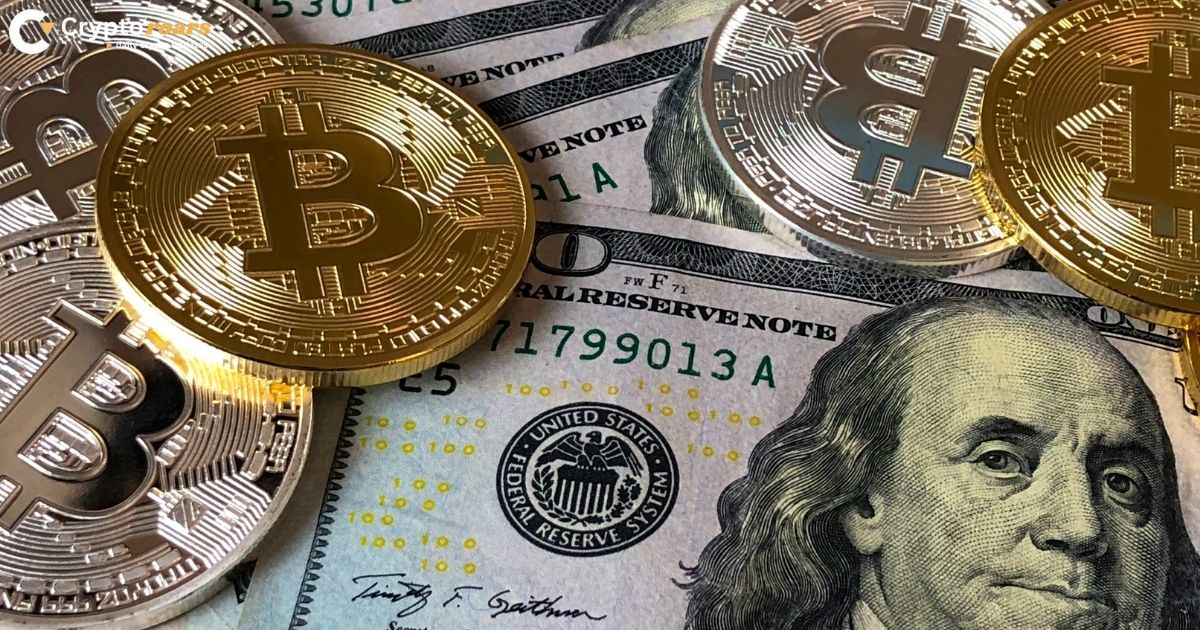
    U.S. Crypto Regulation 2025: Trends & Global Impact

    0
    U.S. crypto regulation

    The crypto industry is facing a defining year in 2025. The United States, through a mixture of U.S. crypto laws 2025, enforcement actions, and policy debates, is reshaping how digital assets are created, traded, and taxed. Investors, businesses, and regulators around the world are watching closely because the impact of U.S. regulations on global crypto markets is both immediate and far-reaching. From SEC crypto regulation to CFTC oversight of digital assets, every move creates ripple effects that affect liquidity, adoption, and innovation across borders. This article explains the main trends, laws, and implications of U.S. crypto regulation 2025, while comparing them with global approaches and highlighting how these changes influence businesses, investors, and long-term adoption.

    Key Regulatory Developments in 2025

    The year 2025 has seen sweeping developments in U.S. crypto laws 2025. The government has launched a Crypto Task Force 2025 to coordinate regulatory efforts, combining input from the Securities and Exchange Commission (SEC), the Commodity Futures Trading Commission (CFTC), the Treasury Department, and the IRS. New frameworks for crypto taxation rules, stablecoin regulation 2025, and decentralized finance (DeFi) regulation are shaping compliance across the market.

    A major shift comes from the Biden administration’s executive order on digital financial technology, which instructs agencies to focus on investor protection in crypto, systemic risks, and the innovation vs. overregulation debate. This aligns with international calls for harmonization of crypto laws, but U.S. policies remain stricter than those in the MiCA framework of Europe or the Singapore crypto sandbox.

    SEC’s Stance on Crypto Assets

    The Securities and Exchange Commission (SEC) continues to argue that most tokens qualify as securities under token classification and disclosure rules. Through cases like the Coinbase enforcement case, the SEC enforces its belief that trading platforms must register and meet operational transparency in crypto markets.

    Chair Gary Gensler emphasizes that investor protection in crypto is the priority, meaning stricter oversight of ICOs, lending platforms, and exchange operations. At the same time, the SEC is refining SAB 121 and SAB 122, guidance that directly affects how banks and custodians account for crypto custody rules.

    CFTC’s Role in Regulating Digital Assets

    The Commodity Futures Trading Commission (CFTC) has expanded its CFTC oversight of digital assets, focusing on futures, swaps, and derivatives. Its role is crucial for derivatives and futures regulation, which determines how institutions can hedge crypto risks.

    In 2025, the CFTC collaborates with the SEC but also competes for jurisdiction. The CFTC’s focus on commodity classification of cryptocurrencies and its control over spot Bitcoin and Ether products strengthens the market. Analysts note that this dual oversight may cause complexity, but it also provides stronger crypto compliance standards for large players.

    Stablecoin Legislation and Compliance Rules

    Stablecoins are now central to both U.S. and global markets. New stablecoin regulation 2025 requires full transparency and reserve management in stablecoins, with issuers publishing daily reports.

    Payment firms like PayPal and Circle must comply with anti-money laundering (AML) compliance and know-your-customer (KYC) protocols. The U.S. also rejected proposals for a central bank digital currency (CBDC) ban, signaling instead that regulated stablecoins could act as safer alternatives for cross-border payments with stablecoins.

    Crypto Tax Implications for Investors

    U.S. crypto regulation

    The IRS has tightened IRS cryptocurrency reporting requirements. Investors must now report all digital asset transactions over $600, and crypto taxation rules include new guidelines for staking and lending rewards.

    For example, the IRS has introduced a clear system distinguishing between short-term and long-term capital gains. This reduces confusion but increases compliance costs. A comparison table shows how taxation differs across countries:

    Country Tax Rate on Crypto Reporting Threshold
    U.S. 10%–37% $600
    UK 10%–20% £1,000
    Germany 0% after 1 year €600

    State vs. Federal Crypto Laws

    A key challenge is the conflict between state vs. federal crypto laws. States like Wyoming offer crypto-friendly legislation, while New York enforces strict licensing regimes through the BitLicense.

    This patchwork creates confusion for businesses and investors. Calls for uniformity are growing as the lack of clarity hinders blockchain adoption and regulation. The federal government is now considering preemption measures to standardize rules nationwide.

    Impact on Businesses and Investors

    The impact of U.S. regulations on global crypto markets is strongly felt by businesses and investors. Firms face rising costs due to crypto compliance standards, but they also gain legitimacy in global finance.

    Investors benefit from clearer rules on financial privacy and individual autonomy, yet some worry about excessive monitoring. This tension highlights the innovation vs. overregulation debate, where striking the right balance will decide the industry’s future.

    Crypto Exchanges, DeFi Protocols, and Custodians

    Exchanges must now follow crypto custody rules that enforce strict separation of customer and company assets. The Binance lawsuit pause in 2025 showed how regulators are demanding greater operational transparency in crypto markets.

    DeFi regulation is becoming a reality as protocols face registration requirements and KYC checks. The Cyber and Emerging Technologies Unit (CETU) is tasked with monitoring decentralized platforms for fraud and manipulation.

    Institutional Adoption of Regulated Crypto Products

    Institutional adoption is accelerating under regulated conditions. Hedge funds and pension funds are expanding into institutional funds in digital assets, helped by the Crypto ETFs approval process.

    Wall Street firms are pushing for more clarity on SAB 121 and SAB 122, which shape how banks handle custody. As these barriers fall, institutional adoption of crypto will only grow, making digital assets part of mainstream portfolios.

    Stablecoin Issuers and Payment Companies

    Stablecoin issuers like Circle, Tether, and PayPal face stricter compliance under Stablecoin Regulation 2025. The U.S. requires regular audits and reserve disclosures, forcing these companies to adopt new operational transparency in crypto market practices.

    Payment firms are now central to U.S. strategy in global finance. By tying stablecoins to the dollar, regulators aim to reinforce the role of the U.S. in cross-border payments with stablecoins, ensuring long-term dollar dominance.

    The Role of the SEC in Shaping Crypto

    The SEC crypto regulation framework has shaped the industry more than any other agency. With its power over token classification and disclosure, the SEC sets the tone for innovation and compliance.

    Cases such as the Coinbase enforcement case demonstrate how the SEC uses enforcement actions vs. structured compliance to guide the market. This approach has raised concerns about stifling startups, yet it secures greater investor confidence.

    Investor Protection and Market Integrity

    The SEC’s mission centers on investor protection in crypto. This includes targeting scams, false advertising, and improper reserve disclosures. Regulators argue that trust is vital for adoption.

    However, critics argue that excessive oversight undermines financial privacy and individual autonomy. Finding a balance between transparency and freedom will decide whether the U.S. leads in crypto innovation or loses ground to global competitors.

    Legitimacy, Adoption, and Regulatory Clarity

    Regulatory clarity enhances legitimacy. For instance, the Crypto ETFs approval process in 2025 has encouraged banks to expand into custody services. This brings digital assets closer to mainstream finance.

    Adoption grows as institutions see stronger crypto compliance standards. Still, the innovation vs. overregulation debate continues, with some fearing that too much control may suppress innovation in blockchain technology.

    The Howey Test and Its Application to Crypto

    The Howey Test remains the key tool for determining whether a digital asset is a security. In practice, most tokens are captured under token classification and disclosure requirements.

    Critics say this outdated test limits innovation. However, courts continue to support its use, arguing that investor protection requires consistency in how the law is applied to crypto assets.

    Recent SEC Enforcement Actions and Scandals

    High-profile cases such as the Coinbase enforcement case and the Binance lawsuit pause show the SEC’s aggressive stance. These cases reveal the growing role of enforcement actions vs. structured compliance in setting industry norms.

    The SEC also faced criticism for mishandling earlier cases, raising concerns about fairness. Yet, its Cyber and Emerging Technologies Unit (CETU) continues to expand oversight, leaving no major exchange unchecked.

    The Role of the CFTC in Crypto Markets

    The Commodity Futures Trading Commission (CFTC) plays a complementary role, ensuring that derivatives and futures regulation is fair and transparent. This oversight is essential for institutions hedging risks.

    Its approval of more regulated futures and ETFs in 2025 strengthens U.S. leadership. The CFTC’s growing role ensures that crypto remains part of mainstream finance, balancing innovation with stability.

    Commodity Classification of Cryptocurrencies

    In 2025, Bitcoin and Ethereum remain classified as commodities under CFTC oversight of digital assets. This classification allows for derivatives and futures regulation under CFTC rules.

    This distinction creates clarity but also raises tensions with the SEC, which views some tokens differently. The lack of harmony between agencies contributes to legal uncertainty, even as markets demand clearer crypto compliance standards.

    Regulation of Derivatives, Futures, and Spot Products

    The U.S. has advanced its Crypto ETFs approval process, with spot Bitcoin ETFs finally gaining traction. Futures products remain the most widely traded under derivatives and futures regulation.

    Institutions welcome these moves because they bring liquidity and reduce risk. However, the market continues to call for expanded spot approvals across multiple tokens.

    Impact of U.S. Regulations on Global Crypto Markets

    The impact of U.S. regulations on global crypto markets cannot be overstated. Every new enforcement action or policy change influences liquidity, capital flows, and innovation worldwide.

    For example, stricter U.S. laws encourage some companies to relocate to regions like Singapore or Dubai, fueling regulatory arbitrage. Others stay because U.S. compliance provides credibility. The result is both fragmentation and global adaptation.

    Liquidity, Listings, and Price Volatility

    Regulation influences liquidity, listings, and price volatility across markets. When the SEC blocks a token, exchanges delist it globally, affecting investor sentiment.

    Liquidity improves when new Crypto ETFs approval process rules allow greater institutional participation. At the same time, strict crypto compliance standards reduce speculative volatility but may slow growth.

    Stablecoins as Dollar-Denominated Global Assets

    The role of stablecoins is expanding. With stronger stablecoin regulation 2025, they serve as safe instruments for global transactions. This reinforces the dollar’s dominance.

    Stablecoins regulated by the U.S. also impact emerging economies, where they are used for remittances and cross-border payments with stablecoins. Their regulation ensures stability but limits the growth of unregulated tokens.

    Regulatory Arbitrage and Offshore Market Growth

    Not all players welcome strict U.S. laws. Many startups relocate to friendlier jurisdictions like the Singapore crypto sandbox or the Japanese crypto licensing regime. This reflects regulatory arbitrage at work.

    While offshore growth accelerates, it creates risks of fraud and weak oversight. This tension demonstrates the global crypto market impact of American rules, where stricter domestic policies push risk abroad.

    Comparison to Europe’s MiCA and Asia’s Approach

    The MiCA framework Europe provides uniform rules across the EU, offering a contrast to state vs. federal crypto laws in the U.S. Europe’s approach is often seen as more innovation-friendly.

    In Asia, Japan’s crypto licensing regime and Singapore’s crypto sandbox balance innovation with regulation. Compared to these, the U.S. appears stricter, though its influence remains unmatched globally.

    Institutional Finance and Crypto Integration

    Wall Street continues to push deeper into crypto through institutional funds in digital assets. The approval of spot ETFs has legitimized digital assets for pensions and insurance companies.

    Banks, encouraged by crypto custody rules, are entering the market more aggressively. This signals a long-term integration of crypto into mainstream finance, driven by regulatory clarity.

    ETFs, Custody Rules, and Banking Participation

    The Crypto ETFs approval process is unlocking demand from retail and institutional investors alike. Custody has become a competitive space, with banks complying with SAB 121 and SAB 122.

    This banking participation ensures safe custody and better crypto compliance standards, bridging the gap between traditional finance and the digital asset sector.

    AML/KYC Standards and Compliance Requirements

    The U.S. insists on strong know-your-customer (KYC) protocols and anti-money laundering (AML) compliance. DeFi platforms must now integrate identity checks, which marks a significant change in the industry.

    These standards support operational transparency in crypto markets, but they also spark debate about financial privacy and individual autonomy. Balancing security with privacy remains a central challenge.

    Academic & Research Insights

    Scholars are analyzing the global crypto market impact of U.S. regulation. Studies using event-study models on regulation announcements show how crypto prices react within hours of major policy shifts.

    Research also highlights long-term benefits such as reduced fraud and improved investor trust. Still, critics warn that too much regulation could slow blockchain adoption and regulation globally.

    Regulation Spillovers Across Crypto Markets

    The impact of U.S. regulations on global crypto markets extends far beyond American borders. Countries in Latin America and Africa adopt stricter rules after U.S. announcements.

    This spillover effect influences liquidity, innovation, and investor sentiment globally. As U.S. compliance strengthens, other countries either harmonize their frameworks or exploit gaps through regulatory arbitrage.

    Event-Study Models on Regulation Announcements

    Event studies reveal short-term volatility around major enforcement cases like the Coinbase enforcement case. The immediate reaction is often negative, with prices dropping.

    However, long-term studies show that markets stabilize as rules provide certainty. This demonstrates the difference between initial panic and sustained growth under regulation.

    Short-Term vs Long-Term Market Impacts

    U.S. crypto regulation

    Short-term impacts of U.S. crypto laws 2025 include sudden sell-offs, delistings, and reduced liquidity. For example, the Binance lawsuit pause created uncertainty for weeks.

    Long-term, however, adoption increases as investors trust a more regulated market. The U.S. aims to strike a balance, but the outcome of this innovation vs. overregulation debate remains uncertain.

    Future Outlook & Industry Reactions

    The industry expects more integration between traditional finance and digital assets. Companies predict greater institutional adoption of crypto once compliance becomes standardized.

    Yet, startups warn that stricter crypto compliance standards may drive innovation abroad. The global crypto market impact will depend on how harmonization unfolds internationally.

    Innovation vs. Overregulation Debate

    The innovation vs. overregulation debate is the heart of the discussion. Supporters argue that rules protect investors and build trust. Critics fear suffocating innovation.

    If the U.S. tips too far, it may lose leadership to regions like Singapore or Europe. Still, clarity has already boosted institutional funds in digital assets, showing that smart regulation can drive adoption.

    Global Harmonization or Fragmentation of Rules

    The future may bring harmonization of crypto laws, where the U.S., Europe, and Asia align on standards. This would reduce compliance costs and encourage global trade.

    Alternatively, rules may fragment, forcing companies to adapt to dozens of frameworks. Such fragmentation increases costs and weakens the global crypto market impact of American leadership.

    Conclusion

    The impact of U.S. regulations on global crypto markets is undeniable in 2025. From SEC crypto regulation to CFTC oversight of digital assets, every move reshapes liquidity, adoption, and innovation. Stablecoins, taxation, and enforcement cases set the tone for global trends.

    While the innovation vs. overregulation debate continues, it is clear that the U.S. will remain a central force in shaping the future of digital assets. The challenge now is to balance investor protection, innovation, and global leadership without stifling growth.

    FAQs on U.S. Crypto Regulation 2025

    What is U.S. crypto regulation in 2025?

    U.S. crypto regulation in 2025 refers to the updated legal and compliance framework designed to manage cryptocurrencies, stablecoins, and digital assets within the United States. These rules involve the Securities and Exchange Commission (SEC) and the Commodity Futures Trading Commission (CFTC), both working to ensure investor safety, market integrity, and transparent operations across exchanges and DeFi platforms.

    Why is U.S. crypto regulation important for investors?

    For investors, U.S. crypto regulation provides clearer guidelines that reduce uncertainty in the market. When agencies define what counts as a security or commodity, investors can make decisions with more confidence. With structured rules on taxation, custody, and disclosures, U.S. crypto regulation protects portfolios while encouraging long-term adoption.

    How does U.S. crypto regulation affect stablecoins?

    Stablecoins are directly impacted by U.S. crypto regulation since lawmakers introduced strict rules on transparency and reserve management. Issuers must follow compliance frameworks that make these tokens more reliable for payments and cross-border transfers. These new stablecoin regulation 2025 policies ensure that users and institutions can trust the value backing digital dollars.

    What role does the SEC play in U.S. crypto regulation?

    The Securities and Exchange Commission (SEC) plays a leading role in shaping U.S. crypto regulation. It oversees token classification, enforces investor protection measures, and regulates exchanges offering securities-like products. Recent enforcement cases against major platforms highlight how central the SEC’s role is in U.S. crypto regulation.

    Does U.S. crypto regulation cover taxation?

    Yes, U.S. crypto regulation includes updated crypto taxation rules and stricter IRS cryptocurrency reporting obligations. Investors must disclose gains, losses, and cross-border transactions. By tightening tax compliance, U.S. crypto regulation aims to reduce evasion and create a fairer digital asset economy.

    How does U.S. crypto regulation impact global markets?

    The impact of U.S. regulations on global crypto markets is massive because the U.S. sets trends for other regions. When America introduces strict or flexible policies, it affects liquidity, listings, and international trading volumes. Countries like those in Europe with the MiCA framework or Asia with Japan’s crypto licensing often adjust based on how U.S. crypto regulation evolves.

    What businesses are most affected by U.S. crypto regulation?

    Crypto exchanges, custodians, and payment firms are at the center of U.S. crypto regulation. DeFi protocols are also under scrutiny for compliance with KYC protocols and AML rules. By enforcing operational transparency, U.S. crypto regulation directly affects how these businesses grow and adapt.

    How should investors prepare for U.S. crypto regulation changes?

    Investors should keep track of new announcements, follow reliable compliance standards, and work with tax professionals familiar with U.S. crypto regulation. Diversifying portfolios, using regulated exchanges, and maintaining accurate records are smart ways to stay ahead of evolving laws.

    Will U.S. crypto regulation encourage institutional adoption?

    Yes, U.S. crypto regulation is making institutional adoption easier. Clearer rules for custody, ETFs, and stablecoins help banks and funds invest safely. By addressing risks and offering legal clarity, U.S. crypto regulation paves the way for more mainstream financial integration.

    For more information, keep visiting cryptoroars.com

    How SEC and CFTC Crypto Regulations Affect Investors in 2025

    0
    SEC and CFTC crypto regulations

    Introduction to SEC and CFTC Crypto Oversight

    The U.S. crypto market in 2025 looks different from anything we’ve seen before, and at the center of this transformation are the Securities and Exchange Commission (SEC) and the Commodity Futures Trading Commission (CFTC). Their combined oversight has reshaped digital finance, giving investors a sense of structure where confusion once reigned. The Division of Trading and Markets, the Division of Market Oversight, and the Division of Clearing and Risk now coordinate responsibilities in ways that finally reduce the gaps that allowed scandals and collapses in the past. Investors who once feared regulatory crackdowns now operate in an environment where the rules, while strict, at least feel clear. For the first time, people can see how SEC crypto regulations and CFTC crypto oversight form a shared blueprint for the future.

    Understanding how SEC and CFTC crypto regulations affect investors in 2025 requires more than just reading enforcement documents. It’s about realizing that traders on U.S. crypto exchanges (Coinbase, Kraken, Gemini) and institutions exploring Nasdaq crypto trading or New York Stock Exchange Bitcoin spot trading are finally working with confidence. By treating spot commodity products like Bitcoin spot ETFs and Ethereum spot market access as regulated opportunities, both agencies have created channels that didn’t exist before. For investors, the benefit is safety: a promise that digital assets can coexist with traditional finance in a secure and accessible manner.

    Why 2025 is a Turning Point for Crypto Regulation

    For years, regulators hesitated to act decisively, leaving crypto investors caught in an endless loop of lawsuits and uncertainty. That changed in 2025. This year introduced the Crypto Market Structure Bill was introduced, which defined how tokens fit within existing financial laws, and created rules for national securities exchanges (NSEs) and designated contract markets (DCMs) to list or trade digital assets. Suddenly, what once seemed ungovernable began to look structured. Investors now know when an asset is considered a security, when it falls under spot commodity products, and what agencies will oversee its trading.

    Institutional trust also grew. Paul Atkins (SEC Chairman) and Caroline D. Pham (CFTC Acting Chair) pushed regulators to work together instead of fighting over jurisdiction. Their efforts gave firms like Two Prime Digital Assets (Alexander Blume) and analysts at VanEck (Matthew Sigel) confidence to increase their research and funding. For retail investors, this turning point isn’t abstract—it’s practical. It means they can invest without the constant fear that tomorrow’s headline will wipe out their portfolio. By making mainstream crypto adoption a genuine national strategy, 2025 has become a year where digital assets are finally treated with the same seriousness as stocks and bonds.

    SEC and CFTC Joint Guidance Explained

    SEC and CFTC crypto regulations


    The release of joint guidance this year represents perhaps the most investor-friendly action in U.S. crypto history. The Project Crypto initiative and the Crypto Sprint program were merged into a structured set of rules that clearly divide responsibilities. The SEC, through its Division of Trading and Markets, takes responsibility for securities tokens, while the CFTC, through its Division of Market Oversight, governs commodities and derivatives. For the first time, there is no guesswork about whether an asset is under SEC crypto regulations or CFTC crypto oversight.

    For investors, this is monumental. Imagine buying spot Bitcoin and Ethereum trading products listed on Nasdaq crypto trading platforms without worrying about shutdowns. With clear authority, foreign board of trade (FBOTs) and national securities exchanges (NSEs) now have frameworks for compliance. This clarity means investors know exactly which agency protects their rights, and companies know exactly where to register products. The impact is confidence: rules no longer feel like traps, but instead like guidelines that support sustainable growth.

    Impact of Spot Crypto Trading Approval on Investors

    Perhaps the single biggest win for investors in 2025 is spot crypto trading approval. Before this year, U.S. investors were limited to futures-based products, which often tracked poorly and carried additional risks. Now, with direct approval for Bitcoin spot ETFs and Ethereum spot market access, people have a way to own regulated shares tied directly to the underlying assets. This shift turns speculative opportunities into structured investments that even conservative institutions can support.

    Retail investors benefit from easier access, as they can buy into crypto products through their normal brokerage accounts without managing private keys or wallets. Institutional investors, on the other hand, see billions of dollars in opportunities from pensions, insurance firms, and funds that had avoided crypto due to regulatory risk. By embedding these opportunities into commodity crypto products, regulators have given digital assets a legitimacy once reserved for traditional markets. For many, this moment marks the transition from experimental to mainstream.

    Stablecoins Regulation Under the GENIUS Act

    Stablecoins serve as the beating heart of crypto, enabling fast transfers and functioning as liquidity anchors. Yet they’ve always carried risk. The new stablecoin regulation bill 2025, called the GENIUS Act, finally changes that. The act requires stablecoin issuers to hold safe reserves, undergo monthly audits, and avoid risky assets. It’s a framework built with input from the President’s Working Group on Digital Assets, ensuring alignment with both domestic and international standards.

    Investors gain peace of mind knowing their stablecoins are backed by genuine reserves, not vague promises. For retail traders, this means safer day-to-day transactions, while institutions can finally consider using regulated stablecoins for large-scale settlement. Exchanges like Coinbase, Kraken, and Gemini benefit too, as investor trust increases. This bill cements stablecoins as part of a transparent system, making them indispensable in a future where digital payments coexist seamlessly with traditional finance.

    What “Project Crypto” Means for the Market

    The Project Crypto initiative is more than just a regulatory project; it’s a bridge between innovation and protection. Built on the Crypto Sprint program, it introduces a structured sandbox where companies can test products under supervision. It covers a wide range of areas, from spot commodity products to experimental tokens like liquid staking tokens (LSTs). For developers and investors alike, this signals that regulators are no longer trying to crush innovation but instead channel it responsibly.

    Take the Sei protocol (Gerald Gallagher) as an example. Using Project Crypto, they tested new models while regulators monitored risk exposure. Investors benefit directly because this framework allows safe access to cutting-edge tools without the danger of complete collapse. This program ensures that how SEC and CFTC crypto regulations affect investors in 2025 isn’t a story of restriction but of controlled expansion, balancing creativity with safety.

    DeFi Regulations and the CLARITY Act Exemptions

    Decentralized Finance (DeFi) has always walked a fine line between innovation and danger. In 2025, regulators introduced the CLARITY Act exemptions, a compromise that lets DeFi platforms operate under certain rules without treating them as traditional intermediaries. This means DeFi products can remain open and decentralized, but with minimum standards for transparency, security, and investor disclosures.

    For investors, this is critical. Many want access to the high yields and creative products offered by DeFi, but fear rug pulls or scams. With the CLARITY Act exemptions, platforms can innovate while investors receive the protection they need. It’s not perfect, but it’s a foundation. By encouraging compliance rather than forcing shutdowns, regulators are guiding DeFi into the mainstream while keeping investor safety a priority.

    Liquid Staking Tokens (LSTs) Not Classified as Securities

    Another breakthrough in 2025 is the treatment of liquid staking tokens (LSTs). Previously, regulators hinted that staking products might be securities, but now they’ve clarified that properly designed LSTs are not classified as such. This ruling is massive for investors who rely on staking for passive income, particularly on Ethereum.

    By confirming that LSTs fall under commodity crypto products rather than securities, regulators provided a green light for innovation. Platforms can now expand staking opportunities without fear of enforcement actions, and investors can confidently use these tools without worrying about sudden legal shifts. This clarity reinforces the narrative that U.S. regulators are trying to guide, not suffocate, the industry.

    New Rules for Crypto ETFs and Investor Access

    The introduction of rules around crypto ETFs has transformed accessibility. For years, investors demanded simple ways to access crypto within retirement accounts, brokerage platforms, and institutional funds. In 2025, those demands were finally met. The SEC approved frameworks for Bitcoin spot ETFs and even paved the way for more specialized products.

    For investors, this translates into safe, liquid, and regulated access. Instead of relying on offshore entities or complex futures products, people can now invest through ETFs listed on U.S. exchanges. For example, VanEck (Matthew Sigel) has led research showing how these ETFs reduce risks while expanding opportunities. As a result, both institutional and retail investors are benefiting from secure products that fit seamlessly into existing portfolios.

    Enforcement Actions and Investor Protection Measures

    Enforcement remains a cornerstone of regulatory activity in 2025. The SEC and CFTC have cracked down on fraud, unregistered offerings, and deceptive marketing. But instead of random actions, enforcement now aligns with clear rules. This shift reassures investors that regulators are cleaning up the market without punishing legitimate players.

    Investors can see the difference in cases where fraudulent exchanges were shut down swiftly while compliant firms thrived. This shows SEC and CFTC crypto regulationshow SEC and CFTC crypto regulations affect investors in 2025 is not about fear—it’s about protection. By targeting bad actors and supporting compliant firms, regulators are building an ecosystem where investors can participate without constant anxiety.

    Global Implications of U.S. Crypto Regulations


    The United States is not just regulating for itself—it’s setting global standards. Countries across Europe and Asia are watching how America treats spot commodity products and stablecoins. When the U.S. approved Bitcoin spot ETFs, markets worldwide reacted. U.S. leadership forces international exchanges to adapt, creating a ripple effect across the globe.

    For investors, this global impact means U.S. policies influence liquidity, asset pricing, and adoption rates everywhere. The approval of Ethereum spot market access in the U.S. didn’t just help domestic investors—it boosted confidence globally. America’s decisions ripple through the entire system, making its regulations critical not just for U.S. citizens but for investors everywhere.

    Opportunities for Institutional Investors in 2025

    Institutions are perhaps the biggest winners of 2025. Pension funds, hedge funds, and even insurance firms now have regulatory clarity to explore crypto. With rules in place for Bitcoin spot ETFs, Ethereum spot trading, and stablecoins, they can enter markets once deemed too risky.

    This flood of institutional money has boosted market stability. Two Prime Digital Assets (Alexander Blume) has pointed out that institutions bring not just capital but also credibility. Their entry reassures retail investors that crypto is no longer a fringe experiment but part of the financial mainstream. The result is deeper markets, better liquidity, and reduced volatility, all thanks to regulatory clarity.

    Retail Investors – Risks and Benefits of the New Framework

    For retail investors, the story is more nuanced. On one hand, they now enjoy unprecedented access to regulated products through U.S. crypto exchanges (Coinbase, Kraken, Gemini) and ETFs. On the other hand, compliance costs have led some smaller projects to shut down or restrict services. This means fewer speculative opportunities, but also fewer scams.

    Ultimately, retail investors benefit from stronger protections, even if it means losing some of the “wild west” feel of past years. By prioritizing stability, regulators have created an environment where people can build long-term positions in crypto without living in constant fear of collapse.

    Challenges That Still Remain in Crypto Regulation

    Despite all the progress, challenges remain. Regulators still debate how to handle privacy coins, cross-border trading, and decentralized autonomous organizations (DAOs). The rapid pace of innovation means laws sometimes lag behind reality, leaving gaps that bad actors can exploit.

    For investors, this means vigilance remains essential. While rules around spot commodity products and Bitcoin spot ETFs are clear, other areas remain grey. This balance between certainty and uncertainty defines the current moment. Investors must stay informed and adaptable as regulations continue to evolve.

    Future Predictions: Where SEC and CFTC Policies Are Heading

    Looking ahead, experts predict even greater integration between traditional finance and digital assets. Analysts at VanEck Digital Assets Research believe new derivatives, structured products, and ETFs tied to multiple cryptos could emerge. Leaders like Paul Atkins and Caroline D. Pham emphasize that enforcement will remain tough but predictable.

    For investors, this future means opportunity paired with accountability. As crypto integrates with systems like the New York Stock Exchange, Bitcoin spot trading becomes impossible to ignore. By aligning oversight with innovation, regulators are steering the market toward maturity.

    Conclusion: Building a Safer and More Accessible Crypto Market

    So, how SEC and CFTC crypto regulations affect investors in 2025 boils down to this: confidence, safety, and growth. With joint guidance, spot crypto trading approval, the GENIUS Act, and the Project Crypto initiative, regulators have transformed digital assets from risky experiments into structured opportunities.

    Investors—whether retail traders or global institutions—now see crypto not as a gamble but as a legitimate asset class. By balancing protection with innovation, regulators have built a market that feels safer, more transparent, and more accessible. And while challenges remain, the trajectory is clear: digital assets are no longer on the fringe—they are firmly part of America’s financial future.

    FAQs: SEC and CFTC Crypto Regulations

    Q1: What are the SEC and CFTC crypto regulations in 2025?

    SEC and CFTC crypto regulations in 2025 are new rules that guide how digital assets are traded, classified, and monitored in the United States. The Securities and Exchange Commission (SEC) focuses on protecting investors in securities, while the Commodity Futures Trading Commission (CFTC) oversees commodity trading. Together, their updated approach brings clearer rules for Bitcoin, Ethereum, stablecoins, and DeFi. These changes are meant to create a balance between innovation and investor protection.

    Q2: Why are SEC and CFTC crypto regulations important for investors?

    Investors depend on trust, transparency, and safety in markets. SEC and CFTC crypto regulations matter because they reduce fraud risks, increase compliance, and help attract institutional players. With the spot Bitcoin and Ethereum trading approval now active, both retail and institutional investors are entering the market with stronger legal backing. This means ordinary U.S. citizens can participate in crypto markets with more confidence.

    Q3: How do SEC and CFTC crypto regulations affect stablecoins?

    Stablecoins, such as USDC and USDT, are under tighter review in 2025. The new stablecoin regulation bill 2025 ensures that issuers back tokens with reliable reserves and submit transparent audits. By embedding stablecoins within SEC and CFTC crypto regulations, regulators prevent risky practices that previously harmed investors. This clarity also paves the way for payment adoption across U.S. crypto exchanges (Coinbase, Kraken, Gemini).

    Q4: Do SEC and CFTC crypto regulations impact DeFi protocols?

    Yes, DeFi has seen a unique shift. Through exemptions like the CLARITY Act, many decentralized platforms now fall under structured oversight without killing innovation. SEC and CFTC crypto regulations require DeFi projects to register if they act like exchanges or clearinghouses. Still, smaller projects gain flexibility, especially those building on systems such as the Sei protocol (Gerald Gallagher).

    Q5: How do SEC and CFTC crypto regulations change ETF access?

    Crypto ETFs are now easier to access. Investors can buy Bitcoin spot ETFs and Ethereum spot market access directly through Nasdaq crypto trading and even the New York Stock Exchange Bitcoin spot trading platforms. These moves, shaped by SEC and CFTC crypto regulations, allow traditional brokers and retirement accounts to offer exposure. That’s a major step toward mainstream crypto adoption.

    Q6: Are enforcement actions part of SEC and CFTC crypto regulations?

    Absolutely. SEC and CFTC crypto regulations include strict enforcement measures against fraud, wash trading, and pump-and-dump schemes. By involving divisions like the Division of Trading and Markets, Division of Market Oversight, and Division of Clearing and Risk, the agencies ensure accountability. For example, coordinated investigations in 2025 targeted unregistered overseas platforms and forced them into compliance, protecting U.S. investors.

    Q7: What do experts say about SEC and CFTC crypto regulations?

    Industry leaders see the shift as historic. Paul Atkins (SEC Chairman) praised the effort for combining investor protection with innovation. Caroline D. Pham (CFTC Acting Chair) called it “a foundation for sustainable growth.” Analysts from VanEck (Matthew Sigel) and Two Prime Digital Assets (Alexander Blume) argue that SEC and CFTC crypto regulations will finally bridge Wall Street with blockchain technology.

    For more information, keep visiting cryptoroars.com

    How to Create an NFT Marketplace in 2025: Complete Step-by-Step Guide

    0
    Create an NFT Marketplace

    In 2025, entrepreneurs and developers are asking the same big question: how to create an NFT Marketplace that truly stands out in a crowded digital economy. The vision goes far beyond art; today, NFTs power gaming assets, music rights, real estate deeds, and exclusive memberships. A modern NFT trading platform isn’t just a marketplace—it’s a hub for communities built on blockchain app development, transparency, and innovation.

    If you plan to create an NFT marketplace of your own, you must consider more than just coding. Successful platforms combine crypto wallet integration, NFT minting platform tools, and smooth UI/UX to attract users. Whether you’re building for collectors, gamers, or businesses, positioning your marketplace as a non-fungible token exchange with reliable features will define your success. As Web3 expands in the USA, this opportunity has shifted from a futuristic idea to one of the most profitable ventures today.

    What Is an NFT Marketplace?

    An NFT marketplace is a digital NFT trading platform where users can create, buy, sell, or trade non-fungible tokens. Think of it as a specialized form of eBay, but instead of physical products, you deal with unique digital assets such as art, music, videos, in-game items, and even real estate rights. These assets are recorded and transferred on blockchain networks like Ethereum or Solana, ensuring transparency and security.

    To build your own NFT marketplace, you need to understand how it functions. The seller lists their NFT through a minting platform, which creates a token on the blockchain. Buyers then purchase these NFTs using cryptocurrencies through a crypto wallet integration system. The underlying blockchain confirms ownership, and smart contracts manage transactions, royalties, and transfers. Unlike traditional apps, this system runs in a decentralized way, reducing fraud and enabling trustless transactions.

    Why Build an NFT Marketplace in 2025?

    Create an NFT Marketplace

    The U.S. NFT market is predicted to grow rapidly as more industries experiment with Web3 technologies. By 2025, NFTs are expected to move beyond just art and collectibles into Play-to-Earn NFT games, sports, ticketing, fashion, and real estate. Analysts estimate billions in annual trading volume, which makes launching an NFT collection platform highly profitable.

    Building your marketplace now gives you a head start in this competitive space. With demand for Ethereum NFT marketplace solutions and multi-chain NFT marketplace platforms, developers and investors have more opportunities to tap into mainstream adoption. Whether you are targeting digital artists, gamers, or businesses, a well-built NFT trading platform ensures you can serve diverse use cases across industries while leveraging the boom of NFT ecosystem growth in the United States.

    NFT Marketplace Trends to Watch in 2025

    If you want to build your own NFT marketplace, you must keep an eye on trends shaping the industry. One major shift is multi-chain NFT marketplaces, where users can buy and sell across blockchains like Ethereum, Solana, Polygon, Flow, and Tezos. This removes the limitations of single-chain platforms.

    Another exciting development is the rise of AI-powered personalization within NFT app development. Platforms are using artificial intelligence to recommend NFTs based on user behavior. The integration of NFTs into the metaverse will also dominate, allowing virtual goods, fashion, and real estate to thrive. Meanwhile, the debate over NFT creator royalties continues as platforms balance investor demand with artist rights. Finally, gamification remains strong, with NFT bidding systems and rewards making the experience more interactive.

    How Does an NFT Marketplace Work?

    To truly understand how to create an NFT marketplace, you need to know how transactions flow behind the scenes. The backbone of every NFT trading platform is the smart contract for NFTs, which automates actions such as sales, transfers, and royalty payments. Without these self-executing contracts, ownership cannot be trusted.

    NFTs follow token standards such as ERC-721 (for unique items) and ERC-1155 (for collections). Data is stored using decentralized storage like NFT storage with IPFS or Arweave, ensuring assets are secure even if the platform fails. Payments flow through crypto wallet support such as MetaMask, Coinbase Wallet, or Trust Wallet, which allow users to interact with your Ethereum NFT marketplace seamlessly. The beauty of this system is decentralization: buyers and sellers interact directly without a middleman.

    Top NFT Marketplaces to Take Inspiration From

    When planning your NFT marketplace launch in 2025, it’s important to study established platforms. The top NFT marketplaces of 2025 offer valuable lessons in scalability, user experience, and monetization.

    OpenSea

    Known as the world’s biggest NFT trading platform, OpenSea allows users to mint, sell, and auction NFTs. It supports multiple blockchains and sets the standard for NFT marketplace features.

    Binance NFT

    Backed by Binance, this marketplace combines crypto trading with non-fungible token exchange, offering collectors access to exclusive drops and events.

    Rarible

    This community-driven platform focuses on decentralization and DAO-style governance, enabling creators to earn NFT governance tokens for participation.

    Axie Infinity

    Built for gaming, Axie is a case study in Play-to-Earn NFT games, where digital pets became multimillion-dollar assets.

    NBA Top Shot

    This platform revolutionized sports collectibles by offering highlight clips as NFTs. It shows how brands can integrate blockchain into traditional industries.

    Must-Have Features for an NFT Marketplace

    Every successful NFT app development project starts with the right must-have features of an NFT marketplace. These include crypto wallet integration, powerful search and filters, and a seamless process for NFT minting platforms. Listing options, secure transactions, auction capabilities, and easy payment systems are also essential.

    Royalties are another must. Platforms must ensure NFT creator royalties are automatically distributed whenever a token is resold. This not only empowers artists but also makes your non-fungible token exchange attractive to creators looking for sustainable income. Without these features, user trust and adoption will remain low.

    Advanced & Nice-to-Have Features

    While basics keep your marketplace functional, adding nice-to-have NFT features can set you apart. A key upgrade is multi-chain NFT marketplace support, which lets users interact with multiple blockchain networks. Lazy minting is another innovative option, reducing upfront costs for creators by only minting an NFT when it is purchased.

    Social features are gaining traction, too. Platforms now allow comments, likes, and community engagement to improve loyalty. Adding DAO-based NFT governance tokens also empowers users to vote on platform updates. Finally, advanced analytics dashboards help traders track NFT liquidity, price history, and trends, giving your NFT trading platform more credibility with investors.

    Different Approaches to NFT Marketplace Development

    You can take several approaches when considering NFT marketplace development.

    Build NFT Marketplace from Scratch

    This gives you full control over design, NFT marketplace tech stack, and features. It’s ideal for large projects with unique ideas.

    White-Label NFT Marketplace Solutions

    These ready-made frameworks speed up NFT app development but limit customization. They are useful for quick launches or pilot projects.

    Clone Scripts (OpenSea, Rarible, etc.)

    For entrepreneurs who want to build their own NFT marketplace fast, clone scripts mimic successful platforms like OpenSea or Rarible. While cheaper, they may lack innovation unless heavily customized.

    Step-by-Step Process to Create an NFT Marketplace in 2025

    Launching an NFT marketplace step-by-step guide involves several critical phases.

    Designing UI/UX for Web & Mobile

    Strong UI/UX design for NFT marketplace ensures users find it easy to mint, buy, or sell.

    Defining Architecture & Database + IPFS Setup

    This stage handles scalability, NFT storage with IPFS, and system reliability.

    Creating & Minting NFT Tokens

    Setting up the NFT minting platform is crucial for creators who want to launch collections.

    Developing Smart Contracts

    Your smart contract for NFTs manages ownership, royalties, and transfers.

    Implementing Core Features (list, buy, auction, royalties)

    The core transaction flow includes listings, auctions, and NFT bidding systems.

    Testing with Testnet Deployment

    NFT marketplace testing and deployment ensure bugs are fixed before launch.

    Mainnet Launch & Scaling

    Finally, you prepare for the NFT marketplace launch in 2025, focusing on performance, user adoption, and security.

    Tech Stack for NFT Marketplace Development

    The right NFT marketplace tech stack determines scalability and speed.

    Component Technology
    Frontend React.js, Vue.js, Angular
    Backend Node.js, Python, Go
    Mobile Apps React Native for NFT apps
    Smart Contracts Solidity, Rust
    Storage NFT storage with IPFS, Arweave, Filecoin
    APIs Web3.js, Ethers.js, Moralis
    Indexing The Graph

    Choosing the right blockchain support for NFTs (Ethereum, Solana, Polygon, Flow, Tezos) also impacts fees, speed, and adoption.

    NFT Marketplace Business & Revenue Models

    Understanding your NFT marketplace business model is essential for profitability. Platforms earn through NFT commission fees, listing charges, and transaction fees. Many also use NFT marketplace monetization models like premium subscriptions, launchpads for NFT drops, and exclusive memberships.

    Some projects even add staking pools or liquidity options, increasing NFT liquidity for investors. By diversifying revenue streams, you ensure your platform remains competitive while supporting sustainable NFT ecosystem growth.

    NFT Marketplace Development Best Practices

    Following NFT marketplace development best practices ensures long-term success. Always audit your smart contract for NFTs to avoid hacks. Optimize for lower gas fees, especially if building on Ethereum. Respect NFT creator royalties by enforcing automatic payouts.

    Focus on scalability with modular architecture, and always prioritize user-friendly UI/UX design for the NFT marketplace. Without clear navigation, even the best NFT marketplace features will fail to engage users.

    How Much Does It Cost to Build an NFT Marketplace?

    The NFT marketplace development cost varies. An NFT marketplace MVP development can start around $40,000–$70,000. Mid-size projects may range from $100,000 to $250,000, while enterprise-level solutions can exceed half a million dollars.

    Factors that affect cost include your NFT marketplace tech stack, number of features, crypto wallet support (MetaMask, Trust Wallet, Coinbase Wallet), and team expertise. Outsourcing development often reduces costs, but in the U.S., hiring in-house developers ensures better quality and compliance.

    Challenges & Risks in Building an NFT Marketplace

    Even if you know how to create an NFT marketplace, risks exist. The biggest challenge is legal regulation in the U.S., as NFTs are still under scrutiny for securities laws and taxation.

    Technical risks include scalability issues, especially on Ethereum, where fees can spike. Without proper NFT bidding systems and liquidity options, platforms may struggle to attract users. Finally, adoption remains a barrier, since many new users find NFT app development intimidating. Education and trust-building are essential for success.

    Wrapping Up – The Future of NFT Marketplaces

    The future looks bright for NFT entrepreneurs. By learning how to create an NFT marketplace, you position yourself at the center of the digital economy. With the rise of NFT ecosystem growth, NFT governance tokens, and NFT liquidity solutions, marketplaces will evolve beyond trading into full ecosystems of ownership, gaming, and finance.

    If you can balance innovation with NFT marketplace development best practices, your NFT marketplace launch in 2025 may capture a share of this expanding industry. Remember, trust, usability, and compliance are the foundation of every successful NFT trading platform.

    FAQs About How to Create an NFT Marketplace

    1. How do I create an NFT Marketplace without coding?

    Yes, you can create an NFT Marketplace even if you don’t know coding. There are white-label NFT solutions and no-code platforms that let you set up your marketplace with drag-and-drop tools. These platforms handle the NFT smart contracts, crypto wallet integration, and storage with IPFS, making the process simple. However, if you want a fully customized NFT trading platform, hiring a blockchain development team is a better option.

    2. What’s the first step to create an NFT Marketplace in 2025?

    The first step to create an NFT Marketplace is deciding the blockchain you’ll use. Ethereum NFT marketplaces dominate the space, but options like Polygon, Solana, and Flow are gaining popularity due to lower gas fees. After choosing blockchain support, you define the core NFT marketplace features such as minting, listings, and auctions. Next comes UI/UX design for the NFT marketplace, and finally writing the smart contract for NFTs.

    3. How much does it cost to create an NFT Marketplace?

    The cost to create an NFT Marketplace depends on size and features. A basic NFT marketplace MVP development may cost between $40,000–$80,000. A mid-size marketplace can cross $150,000, while a fully custom-built multi-chain NFT marketplace may go beyond $300,000. Factors like team expertise, blockchain choice, and advanced NFT monetization models also affect the final pricing.

    4. Is it profitable to create an NFT Marketplace in 2025?

    Yes, it can be highly profitable to create an NFT Marketplace in 2025. With growing NFT ecosystem growth, marketplaces earn from NFT commission fees, transaction charges, launchpads, and premium features. The global NFT market is expected to expand further with Play-to-Earn NFT games, metaverse integration, and NFT creator royalties, making it an attractive business model for long-term revenue.

    5. What blockchain is best if I want to create an NFT Marketplace?

    When you create an NFT Marketplace, the choice of blockchain is critical. Ethereum NFT marketplace platforms dominate, but Polygon, Solana, Flow, and Tezos are cost-effective and scalable. Many developers now prefer multi-chain NFT marketplaces that allow users to mint, buy, and sell NFTs across multiple blockchains, giving them flexibility and broader liquidity.

    6. Can I create an NFT Marketplace like OpenSea or Rarible?

    Yes, you can create an NFT Marketplace similar to OpenSea, Binance NFT, Rarible, Axie Infinity, or NBA Top Shot. You’ll need to include the must-have features of an NFT marketplace like crypto wallet support, auctions, and royalties. If you want faster deployment, you can use clone scripts, but for a competitive edge, building from scratch ensures scalability and custom functionality.

    7. Do I need my own token to create an NFT Marketplace?

    You don’t always need your own token to create an NFT Marketplace, but many successful platforms launch NFT governance tokens. These tokens enable staking, liquidity, and community voting, which boosts trust and user engagement. If your business plan includes NFT liquidity pools and NFT collection launch events, then introducing your token can give your marketplace additional utility and value.

    For more information, keep visiting cryptoroars.com