
More
    Home Blog Page 2

    Top NFT Trends and Predictions for the Next 5 Years (2025–2030)

    0
    Top NFT trends and predictions

    Introduction to the Top NFT Trends and Predictions

    The Top NFT trends and predictions for the next five years are shaping a digital revolution that continues to evolve across the United States and beyond. The digital collectibles market, once seen as an experimental niche, has transformed into a powerful ecosystem supported by blockchain technology, virtual assets, and a thriving cryptocurrency market. Over the last decade, NFTs have changed the way we think about digital ownership, creating opportunities for individuals and institutions to trade, invest, and build value through peer-to-peer trading in virtual marketplaces.

    As Web3 moves deeper into American culture, NFTs are not only collectibles but also tools for tokenization, decentralized marketplace development, and provenance verification of assets. The future landscape will be defined by market dynamics, adoption curves, and growth trajectories that will highlight the role of NFTs in reshaping the digital art market, the metaverse integration, and even blockchain gaming. By 2030, experts expect the NFT ecosystem in the USA to become a core component of both the crypto investment sector and traditional finance.

    Evolution of NFTs: From Collectibles to Utility

    The first phase of NFTs was heavily centered around collectible trading, often linked to the boom of digital art market projects like CryptoPunks and Bored Ape Yacht Club. These projects created a global fascination with digital scarcity and digital authenticity, supported by immutable records on blockchain protocols. However, the next five years will be far more utility-driven. Top NFT trends and predictions suggest that NFTs will expand into areas such as smart contracts for event tickets, real estate asset tokenization, and business licensing.

    Utility NFTs also play a key role in strengthening market psychology as buyers look beyond hype and focus on real-world benefits. According to market trends analysis, more U.S. companies are experimenting with NFTs as membership passes, loyalty rewards, and identity verification systems. These examples showcase how market segmentation and user behavior patterns will shape the transition from art-centric NFTs to fully functional virtual assets that integrate with both online and offline experiences.

    Statistical Projections and Market Forecasts (2025–2030)
    Top NFT trends and predictions

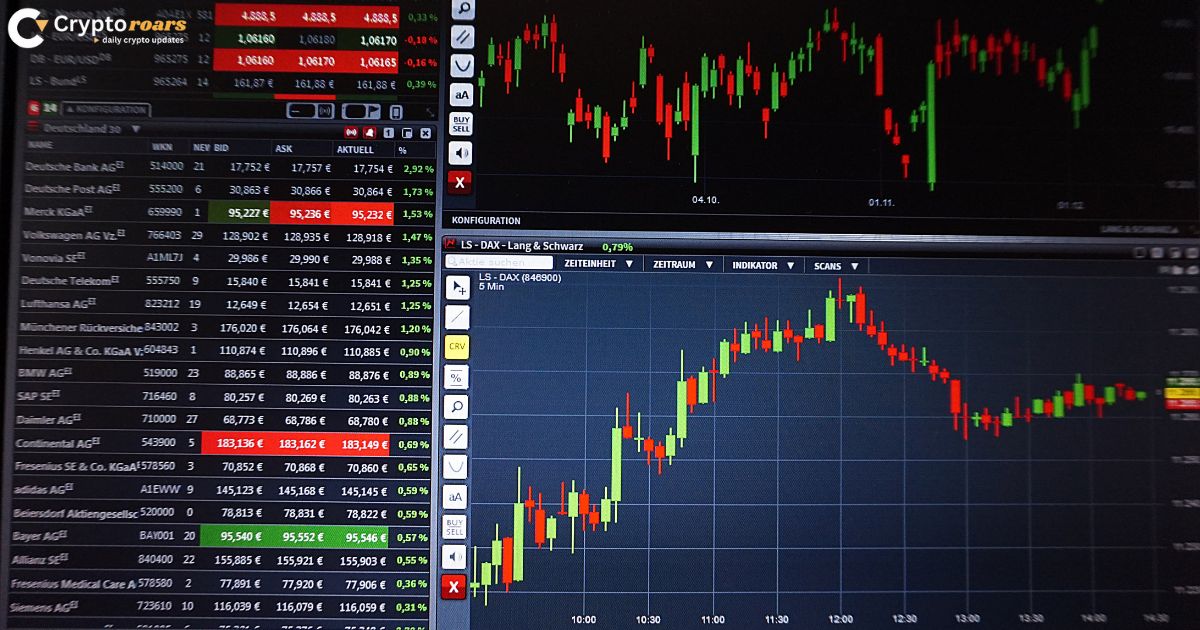
    The Top NFT trends and predictions cannot be understood without hard numbers. A growing body of data-driven insights suggests that the global NFT market could reach over $200 billion by 2030, with the USA maintaining a strong lead due to advanced blockchain protocols, high Web3 adoption, and a mature crypto trading infrastructure. This growth aligns with predictive analytics, market forecasting, and quantitative analysis models that point toward an accelerated rise in both institutional and individual participation.

    A comparison of future valuations illustrates this growth clearly:

    Year Estimated Global NFT Market Value U.S. Share of Market
    2025 $70 Billion 45%
    2027 $125 Billion 47%
    2030 $210 Billion 50%

    This table demonstrates how performance metrics, market indicators, and trend identification highlight the USA’s stronghold in NFT adoption. The combination of volatility modeling, correlation analysis, and statistical modeling confirms a steady upward trend, even as global markets undergo shifts in cryptographic security and regulatory frameworks.

    Expert Opinions: What Industry Leaders Say About NFTs

    Prominent figures in the NFT and cryptocurrency market have made bold statements about what the next five years may look like. U.S. venture capitalist Chris Dixon from Andreessen Horowitz has said, “NFTs are not just about art; they are about everything we own becoming programmable.” This reflects the industry’s confidence in token economics and decentralized finance integration. Many leaders argue that NFTs will serve as the backbone of digital provenance in areas like education certificates, health records, and virtual economies.

    Still, skepticism remains among some experts who point to challenges in risk assessment, behavioral analysis, and sentiment analysis of the crypto investment community. They argue that market dynamics may be unstable due to regulatory uncertainties. Nevertheless, the overwhelming consensus among thought leaders is that blockchain technology will continue to provide provenance verification and distributed ledger innovations that ensure NFTs remain central to Web3.

    NFT Collectibles Market: Current Status and Future Outlook

    The current state of NFT collectibles in the USA is fascinating. Popular collections such as CryptoPunks, Pudgy Penguins, and Bored Ape Yacht Club have created cultural icons, while also shaping new market indicators. Analysts note that these collections thrive on digital scarcity, pattern recognition in pricing, and fundamental analysis of rarity and demand. The next stage of the collectibles market is predicted to expand into digital authenticity tied to lifestyle brands and real-world perks.

    Looking ahead, market trends analysis suggests the U.S. collectibles space will grow by merging with sports, film, and mainstream entertainment. Case studies show that American sports franchises are launching NFT ticket stubs with provenance verification and fan rewards, creating deeper community engagement. The rise of engagement metrics and user behavior patterns is proof that collectibles are evolving into more interactive virtual assets with a future defined by comparative analysis of both cultural and financial value.

    Real-World Assets (RWA) and Hybrid NFTs

    One of the most promising Top NFT trends and predictions revolves around asset tokenization of real-world goods. Imagine purchasing a house where your deed exists as a digital collectible stored on a distributed ledger. This scenario is becoming a reality in the United States, where real estate companies are experimenting with tokenizing property ownership. These hybrid NFTs provide both digital authenticity and legally recognized immutable records, offering buyers new levels of security and transparency.

    The U.S. luxury goods market is also testing hybrid NFTs, where physical products like handbags or watches come with an NFT that certifies authenticity. This movement merges digital scarcity with physical scarcity, offering unique opportunities for portfolio diversification and investment strategies. By 2030, hybrid NFTs are predicted to be a multi-billion-dollar industry supported by market segmentation, market psychology, and strong consumer demand for authenticated goods.

    NFTs in the Gaming and Metaverse Ecosystem

    The blockchain gaming industry is central to Top NFT trends and predictions because it combines virtual economies, metaverse integration, and digital ownership into a single ecosystem. American game developers are creating NFT-powered games where players own in-game assets like weapons, skins, and land parcels. These assets are transferable across virtual marketplaces, giving players true control and the ability to earn through peer-to-peer trading.

    The metaverse integration in the U.S. continues to accelerate as tech giants like Meta and Roblox explore immersive virtual economies powered by NFTs. Analysts using engagement metrics, adoption curves, and growth trajectories expect gaming-related NFTs to generate billions in revenue. The combination of market segmentation and trend identification suggests the gaming sector may remain the most stable and profitable area of NFT adoption.

    The Role of AI-Powered NFTs and Dynamic Use Cases

    The integration of artificial intelligence with NFTs is one of the most futuristic developments. AI-driven NFTs can evolve, learn from user interaction, and even adapt based on user behavior patterns. These NFTs use machine learning models, pattern recognition, and algorithmic trading features to provide personalized experiences. Some projects already allow owners to train their NFTs as AI companions, creating a new layer of digital authenticity and value.

    Dynamic NFTs also change based on external data feeds, which is possible due to smart contracts and consensus mechanisms on the blockchain. For example, an AI NFT avatar could age with its owner, or a sports NFT could update statistics in real time. This fusion of market forecasting and technology reflects how market dynamics evolve when blockchain protocols interact with AI innovations.

    Music, Fashion, and Entertainment Industry Adoption

    The American music industry has been quick to embrace NFTs, with artists releasing digital collectibles as albums, songs, and concert tickets. These innovations secure digital authenticity through provenance verification, while also empowering artists to bypass intermediaries. This creates more revenue streams and stronger fan engagement. The digital art market has already inspired record labels to test tokenization of rights and royalties.

    In fashion and entertainment, U.S. brands like Nike and Gucci are launching NFT-linked wearables that can be used in virtual economies. Hollywood is also experimenting with NFTs for movie promotions and interactive fan experiences. Market segmentation shows strong interest from younger demographics, confirming through behavioral analysis that Gen Z consumers value digital provenance and virtual assets as much as physical ones.

    Bitcoin Ordinals and the Future of On-Chain NFTs

    A fresh wave of innovation has entered the cryptocurrency market through Bitcoin Ordinals, which allow NFTs to be inscribed directly on the Bitcoin blockchain. Unlike Ethereum-based NFTs, Ordinals use distributed ledger principles with cryptographic security to ensure true permanence. Many experts believe this trend is among the most important in the next five years because it expands the definition of NFTs beyond Ethereum.

    For U.S. investors, Bitcoin Ordinals represent an opportunity for portfolio diversification and risk assessment. Analysts using comparative analysis and correlation analysis predict that Bitcoin NFTs will gain popularity as investors look for alternatives to Ethereum. This innovation will likely reshape digital provenance, peer-to-peer trading, and even token economics in the NFT ecosystem.

    Fractional NFTs and DeFi Integrations

    Another major element in Top NFT trends and predictions is the growth of fractionalized ownership. By dividing a high-value NFT into smaller units, more people can participate in crypto investment. This process increases market segmentation and encourages adoption curves as ordinary investors gain access to expensive digital collectibles like rare art or premium real estate NFTs.

    The integration of NFTs with decentralized finance is another innovation that blends smart contracts, decentralized marketplace activity, and token economics. NFTs are already being used as collateral in lending platforms, and by 2030, this trend may form a core component of virtual economies. Case studies show U.S. DeFi platforms testing NFT-backed loans, combining quantitative analysis and technical analysis to assess value.

    Risks, Fraud, and Regulatory Challenges in the NFT Space
    Top NFT trends and predictions

    Despite optimism, the NFT space in the USA faces risks such as scams, rug pulls, and market manipulation. Behavioral analysis shows that inexperienced investors often fall victim to phishing attacks and fake digital collectibles. These risks highlight the importance of risk assessment, comparative analysis, and fundamental analysis before investing. Fraud undermines trust and slows down Web3 adoption, which is why stronger cryptographic security and provenance verification are critical.

    Regulation remains a hot topic, with the U.S. Securities and Exchange Commission (SEC) closely monitoring NFT-related activities. Policymakers are considering new rules to balance innovation with consumer protection. Market psychology suggests that clarity in rules will boost confidence, while uncertainty may cause volatility. The future of regulation will play a decisive role in shaping NFT market dynamics and growth trajectories.

    Investment Insights: How to Choose the Right NFTs

    Choosing the right NFT requires a blend of technical analysis, fundamental analysis, and quantitative analysis. Investors should evaluate rarity, digital authenticity, digital scarcity, and the underlying blockchain protocols. A successful strategy involves portfolio diversification across art, gaming, and real-world assets, reducing risk while maximizing exposure to different market indicators.

    Long-term investment strategies focus on NFTs with strong utility, provenance verification, and demand within virtual economies. Short-term trading, by contrast, often relies on algorithmic trading, sentiment analysis, and price prediction. The key is balancing market psychology with data-driven insights to identify projects that offer sustainable value over hype.

    Notable NFT Projects and Innovations to Watch

    In the United States, several NFT startups and projects are breaking new ground. For example, Dapper Labs continues to innovate with NBA Top Shot, while startups focused on asset tokenization are transforming real estate ownership. Case studies show that these projects thrive due to engagement metrics and well-executed market segmentation strategies.

    Other innovations include cross-chain projects that allow NFTs to move between Ethereum, Solana, and Polygon, providing flexibility for users. U.S.-based celebrity-backed projects also shape user behavior patterns, as fans engage directly with their favorite stars. Analysts argue that trend identification and market dynamics will determine which projects survive and thrive by 2030.

    Institutional Adoption and Luxury Brands Entering NFTs

    One of the strongest signals for long-term growth is institutional adoption. Banks and Wall Street firms are exploring NFTs for asset tokenization, creating immutable records of ownership for bonds and securities. This development represents a fusion of traditional finance with decentralized finance, changing the way peer-to-peer trading works in the U.S.

    Luxury brands have also entered the scene. Gucci, Tiffany & Co., and Nike have launched NFT collections tied to exclusive physical goods. Their strategies prove that digital authenticity and provenance verification are valuable to high-end consumers. The market psychology behind luxury NFTs reflects a shift where owning virtual assets becomes as prestigious as owning physical ones.

    Conclusion: Top NFT Trends and Predictions

    The Top NFT Trends and Predictions for 2025–2030 point toward an ecosystem that is maturing rapidly, with a stronger focus on digital authenticity, token economics, and market dynamics. From blockchain gaming and metaverse integration to asset tokenization and AI-powered NFTs, the future is diverse and promising. The U.S. remains at the center of this transformation, setting standards for the global market.

    By 2030, NFTs will likely be fully integrated into everyday life, influencing entertainment, finance, real estate, and personal identity. The key takeaway for investors and creators is to embrace innovation while applying sound investment strategies, risk assessment, and market forecasting. The journey of NFTs has only just begun, and the next five years will be the most transformative yet.

    FAQs on Top NFT Trends and Predictions (2025–2030)

    What are the Top NFT Trends and Predictions in the USA right now?

    Current trends include blockchain gaming, fractional NFTs, AI-powered digital collectibles, and Bitcoin Ordinals, all of which drive new virtual economies.

    Will NFTs still be valuable in 2030?

    Yes, because digital authenticity, digital provenance, and provenance verification ensure NFTs remain trusted forms of ownership, with applications expanding across industries.

    Which industries will benefit most from NFTs?

    The U.S. gaming, music, real estate, luxury goods, and finance sectors are expected to lead adoption curves, supported by market segmentation and growth trajectories.

    Are Bitcoin Ordinals better than Ethereum NFTs?

    Not better, but different. Ethereum dominates virtual marketplaces, while Ordinals offer permanence through distributed ledger design and cryptographic security.

    How can I safely invest in NFTs in the next five years?

    Investors should focus on portfolio diversification, fundamental analysis, and comparative analysis while avoiding scams through proper risk assessment.

    For more information, keep visiting cryptoroars.com
    How to Automate Crypto Trading Without Coding (Complete Beginner’s Guide)

    0
    automate crypto trading without coding

    Introduction to Automated Crypto Trading

    The idea of automated crypto trading is simple yet powerful. Instead of sitting in front of your screen all day, you let a computer handle trades for you. This helps you avoid emotional mistakes and stick to a consistent plan. For beginners, learning how to automate crypto trading without coding means unlocking tools that make buying and selling digital assets easier and more reliable. You can keep trading while you sleep, while you work, or even while on vacation.

    Why does this matter so much? Because cryptocurrency markets never sleep. They run 24/7, and opportunities can appear anytime. If you try to trade manually, you’ll likely miss many chances or make rash decisions. With crypto trading bots, you can systematically follow crypto trading strategies. These bots never get tired, never panic, and can analyze huge amounts of data in seconds. That is why automation has become one of the most talked-about topics in the world of digital assets today.

    What Is Automated Crypto Trading and How Does It Work?

    At its core, automated crypto trading uses trading algorithms to open and close trades on your behalf. A bot or a platform runs on preset instructions like “Buy if Bitcoin drops 5%” or “Sell if profits hit 10%.” The rules can be simple or very advanced, depending on your goals and comfort level. These instructions are called automated execution rules, and they’re what allow the process to stay consistent.

    Behind the scenes, trading bots for crypto connect directly to your exchange through secure API keys. Once connected, the bot can monitor crypto market fluctuations, trigger buy and sell signals, and act without human delay. For example, if your bot sees a sideways market, it can use Grid Trading to capture sideways market profits. This level of algorithmic decision-making makes it possible for traders at every level to keep pace with fast-moving digital markets.

    Why Automate Crypto Trading Instead of Manual Trading?

    automate crypto trading without coding
automate crypto trading without coding

    Manual trading may sound exciting, but it comes with major drawbacks. Humans get emotional, distracted, and tired. You might overtrade because of greed or exit too early because of fear. Automation brings emotional detachment in trading, helping you stick to a plan no matter what the market is doing. This is especially important when dealing with extreme market volatility, which often causes beginner traders to lose money.

    Speed and efficiency are other major benefits. A bot can execute trades in milliseconds, something humans cannot match. It can follow data-driven trading strategies around the clock, meaning you don’t have to sit at your desk for hours. Many people also find peace in knowing they have a hands-off trading approach that continues working while they focus on their careers or families. In short, automation makes trading both smarter and less stressful.

    Types of Crypto Trading Bots You Can Use Without Coding

    There are several types of crypto trading bots that beginners can use without writing code. One of the most common is the Dollar-Cost Averaging (DCA) bot. This bot invests a fixed investment amount at regular intervals, no matter the price. It is perfect for long-term crypto investing because it smooths out crypto market fluctuations.

    Another type is the Grid Trading bot. This bot places buy and sell orders at different price intervals/grid levels, allowing you to buy low and sell high in a sideways market. You can also try Arbitrage bots that exploit price differences between exchanges, or copy-trading bots that mirror professional traders’ strategies. Each bot has its own style, but all are examples of simplified automated trading for beginners.

    Can You Automate Trading Without Coding? (The No-Code Revolution)

    Yes, you absolutely can. The rise of no-code trading platforms has changed the game. Instead of writing code, you now drag, drop, and click to build your strategy. These tools let you describe rules in plain English like “If Bitcoin crosses above its moving averages strategy, then buy.” That’s it—no programming knowledge needed.

    This shift is often called the no-code revolution. It brings beginner-friendly automation to people who just want to focus on trading ideas rather than coding languages. You can test strategies, run them in demo mode trading, and scale them live. All of this makes it easier than ever to automate crypto trading without coding and start with confidence.

    Best No-Code Crypto Trading Platforms for Beginners

    If you’re just starting, certain no-code trading platforms stand out. One of the most popular is Capitalise.ai, which lets you type trading rules in simple language. Another strong option is 3Commas, known for features like trailing stop features and portfolio management. Coinrule, Kryll.io, Cornix, SpeedBot, and Tradetron also offer flexible automation tools.

    These platforms make it easy to connect with exchanges like Binance, Coinbase, or Kraken. They often include risk tools such as stop-loss and trailing stop, plus trading performance monitoring dashboards. Most also support backtesting crypto bots, so you can test your strategies on historical data before risking real money. For beginners, these platforms provide the safest and most practical way to start.

    Three Popular Automated Trading Strategies for Beginners

    One of the most trusted strategies is Dollar-Cost Averaging (DCA). Here, you invest a fixed amount on a set schedule. Over time, this approach reduces the impact of crypto market fluctuations and supports long-term crypto investing. Many U.S. beginners use DCA because it feels safe and steady.

    The second method is Grid Trading, which works best in sideways markets. By placing buy and sell orders at price intervals/grid levels, you capture sideways market profits and keep trading even in flat conditions. The third option is Moving Average Crossover, where you use a short-term average vs a long-term average line to decide entries and exits. This moving averages strategy is one of the oldest and most reliable in all of finance.

    Step-by-Step Guide to Setting Up No-Code Automated Trading

    Setting up automation doesn’t have to be overwhelming. First, pick a no-code trading platform like 3Commas or Capitalise.ai. Next, connect your preferred exchange account using API keys. This connection lets the platform place trades on your behalf safely.

    Then, you create automated execution rules based on your crypto trading strategies. Test your setup with backtesting crypto bots or demo mode trading. Finally, once you’re happy with the results, turn on your bot in live mode and monitor progress through trading performance monitoring tools. By following these steps, you can confidently automate crypto trading without coding.

    Using ChatGPT to Build and Edit Trading Bots Without Coding

    Another exciting way to automate crypto trading without coding is with ChatGPT. You can ask ChatGPT to generate or edit trading logic using plain English instructions. For example, you might say, “Create a bot that buys Ethereum when the 10-day average crosses the 50-day average.” ChatGPT can then help you write that rule for use in no-code trading platforms.

    This approach allows beginners to combine AI with trading algorithms. You don’t need programming skills—just clear instructions. Think of ChatGPT as your assistant for trading strategy testing and improvement. It can also suggest risk controls like stop-loss and trailing stop. This makes the process of building bots even more accessible for newcomers to digital trading.

    Is Automated Crypto Trading Profitable?

    The truth is, there’s no guaranteed answer. Automated crypto trading can be profitable, but it depends on your strategy, risk level, and discipline. Some people use it to capture short-term and long-term averages, while others prefer hands-off trading for steady growth. Profitability often comes from patience, consistent strategies, and proper crypto risk management.

    What you should avoid are unrealistic expectations. Don’t assume you’ll get rich overnight. Like any form of trading, success requires careful planning, trading strategy testing, and monitoring. Long-term results are often more sustainable than chasing quick gains. When done responsibly, automation can help you grow wealth over time.

    Pros of Automating Your Crypto Trading

    One of the greatest benefits is consistency. With bots, you stick to rules without hesitation. That means no more fear-driven exits or greed-fueled entries. Another major advantage is around-the-clock trading. Since cryptocurrency markets never close, your bot can trade 24/7 while you sleep.

    Automation also brings better crypto risk management. You can use stop-loss and trailing stop settings to protect capital. Diversification is another benefit, as you can run multiple bots across different coins and strategies at once. All of these perks make automation a smart option for both beginners and experienced investors.

    Cons and Risks of Automated Crypto Trading

    Despite the benefits, automation has its downsides. For one, you rely heavily on your chosen platform. If it suffers downtime or bugs, your trades might fail. Another risk is poor strategy design. A bad setup can quickly lose money, even with fast automated execution rules.

    There’s also the issue of overfitting. This happens when you design a bot that works perfectly in backtests but fails in real markets. Crypto market fluctuations are unpredictable, and no strategy wins 100% of the time. Understanding these risks is key before you start.

    Common Mistakes Beginners Should Avoid in Automated Trading

    One of the biggest mistakes is expecting guaranteed profits. Beginners often think bots are magic money machines, but that’s far from reality. Another common error is skipping backtesting crypto bots. Without proper testing, you’re essentially gambling with your money.

    Over-leveraging is another trap. Borrowing too much to trade can wipe you out fast, especially during market volatility. Lastly, many fail to monitor their bots. Even though automation offers a hands-off trading approach, you still need trading performance monitoring to ensure everything runs smoothly.

    Security Tips for Safe Crypto Trading Automation

    Safety should always come first. When connecting bots, use API keys with limited permissions. This way, your bot can trade but cannot withdraw funds. Make sure to use platforms with a solid reputation and proven history.

    Also, enable two-factor authentication on your Exchange accounts. Avoid unknown bots or offers that seem too good to be true. Scams exist, and trusting the wrong tool can cost you. Stick with platforms like Capitalise.ai and 3Commas, which are widely trusted in the community.

    How Much Does It Cost to Automate Crypto Trading?

    Costs vary depending on the platform you choose. Some no-code trading platforms offer free plans with limited features, while others require subscriptions. For example, 3Commas has affordable beginner plans, while advanced services may cost $30–$100 per month.

    You must also factor in exchange fees for every trade. Small costs add up over time, especially for high-frequency strategies like Grid Trading. Always compare both platform and exchange costs to understand the true price of running bots.

    Future of No-Code Automated Crypto Trading

    The future looks promising. With AI integration, bots will become even smarter at handling market volatility and adapting strategies. Soon, smart contracts and decentralized crypto trading bots may take center stage, offering safer, peer-to-peer automation.

    We’re also seeing growth in AI assistants like ChatGPT, which can help refine crypto trading strategies for everyday users. The combination of AI, automation, and decentralization could create a new era of a hands-off trading approach that is safer and more profitable.

    Frequently Asked Questions on Automated Crypto Trading Without Coding

    1. What are the best bots that automate crypto trading without coding for beginners?

    Platforms like 3Commas, Capitalise.ai, and Coinrule are considered the most beginner-friendly automation tools.

    2. Is automate crypto trading without coding profitable?

    It can be, but results depend on your crypto trading strategies, risk tolerance, and patience.

    3. How much does it cost to start?

    Some bots are free, while premium plans cost between $20–$100 monthly.

    4. What happens if a bot fails?

    Bad strategies or downtime can cause losses. That’s why trading performance monitoring is essential.

    5. Can I day trade with bots?

    Yes, many bots are designed for short-term average vs long-term average signals and quick trades.


    Conclusion – Automate Crypto Trading Without Coding

    automate crypto trading without coding

    Learning how to automate crypto trading without coding is one of the most valuable skills for beginners today. It gives you the power of consistent trading execution without the stress of manual effort. With tools like Capitalise.ai and 3Commas, you can easily start with simplified automated trading for beginners.

    The key is to remain realistic. Automation won’t make you rich overnight, but it can support long-term crypto investing and smarter decision-making. If you approach it carefully, combine it with crypto risk management, and always test your bots, automation can become your strongest ally in the world of digital trading.

    For more information, keep visiting cryptoroars.com

    Who’s #1? How to Read Chain Analytics Like a Pro

    0
    Chain Analytics

    Understanding how to analyze on-chain crypto has become one of the most valuable skills in today’s fast-moving digital asset markets. Unlike traditional finance, blockchain transactions are fully transparent, meaning anyone can read and interpret blockchain data analysis. This transparency provides a unique opportunity to track investors, study market patterns, and confirm price signals before they become obvious in charts. In the United States, where cryptocurrency adoption continues to grow, traders and investors are turning to on-chain metrics as a way to stay ahead of global competition.

    To truly read chain analytics like a pro, you need to go beyond surface-level trading and learn how crypto fundamentals, network activity metrics, and liquidity flows combine to create trends. This article will guide you step by step, from the basics of wallet tracking to advanced on-chain data tools like Glassnode, Nansen, and Dune analytics dashboards. With detailed examples, case studies, and market sentiment analysis, you’ll learn how to spot crypto accumulation and distribution, track whale and smart money activity, and apply these insights into effective cryptocurrency trading strategies.

    1. What is On-chain Analysis?

     Chain Analytics

    On-chain analysis refers to studying data that is permanently recorded on blockchains. Since blockchains act like public ledgers, you can view every transfer, wallet balance, and smart contract interaction. This is the foundation of blockchain transparency, and it gives traders direct access to crypto market insights that are not filtered by exchanges or media.

    At its core, on-chain metrics reveal how people are actually using a blockchain. For example, active addresses, transaction volume, and supply distribution provide a real-time snapshot of adoption and usage. Unlike technical chart patterns that may be subjective, these numbers come straight from the source. By combining technical analysis with on-chain analysis, traders develop stronger crypto trading signals backed by real behavior, not just speculation.

    Basics of blockchain data

    Every blockchain has blocks filled with transactions. These blocks record wallet addresses, timestamps, amounts, and fees. Using this raw data, traders can measure network health indicators such as transaction throughput, gas usage, and even unique wallet growth. This type of blockchain data analysis is essential for both short-term price action and long-term blockchain adoption studies.

    Difference between on-chain and off-chain metrics

    On-chain metrics are taken directly from blockchain activity, while off-chain metrics involve external factors such as exchange order books, news sentiment, or derivatives data. Off-chain data may be influenced by speculation, while on-chain shows the crypto fundamentals and market cycles crypto in action. Successful traders combine both for a holistic view.

    2. Why On-chain Analysis Matters for Crypto Traders

    The ability to analyze on-chain crypto transforms trading into a data-driven practice. Instead of guessing market moves, traders can confirm supply and demand through measurable activity. For example, if exchange inflows and outflows show massive withdrawals, it indicates traders are planning to hold, signaling bullish strength.

    How it improves decision-making

    By using Glassnode metrics, wallet tracking, and crypto accumulation and distribution phases, traders can avoid emotional trading. Data confirms whether price movements are supported by strong fundamentals. This leads to fewer mistakes and better cryptocurrency trading strategies.

    Real-world case studies

    During the 2020 Bitcoin bull run, rising exchange outflows combined with increasing active addresses clearly signaled institutional adoption. Similarly, Ethereum’s total value locked (TVL) in DeFi grew rapidly in 2021, proving the rise of decentralized finance (DeFi) analytics before price rallies confirmed it.

    3. Key On-chain Metrics Every Trader Should Know

    The strength of on-chain data lies in specific metrics. Each one gives unique crypto market insights and can be used to anticipate market sentiment analysis before the crowd reacts.

    Metric What It Shows Why It Matters
    Active addresses Number of wallets transacting Adoption, usage trends
    Transaction volume Value moved across the blockchain Market strength
    Exchange inflows and outflows Assets moving to/from exchanges Selling vs holding behavior
    Supply distribution Token ownership across wallets Accumulation or whale dominance
    Whale and smart money activity Institutional or large wallets Market leadership
    MVRV ratio & NUPL (Net Unrealized Profit/Loss) Holder profitability Overheated or undervalued signals
    Total value locked (TVL) Assets locked in DeFi Liquidity and protocol growth

    These indicators act as your crypto trading signals, giving structure to otherwise noisy markets.

    4. Transactions vs. Value Transfers – Understanding Network Activity

    Not all transactions are equal. While transaction count shows network usage, value transfers reveal actual economic weight. For example, a blockchain may have millions of transactions, but if most are low-value, the network impact is minimal. By comparing transaction volume with value transfers, traders understand whether money is truly moving or just noise.

    This comparison is critical for market cycles in crypto. Low-value spam transactions may inflate network stats, while large transfers between whale wallets carry much greater significance. Observing these helps confirm if rising price movement confirmation is supported by strong flows.

    5. Wallet Analytics – From Retail Traders to Whales

    Studying wallets is one of the most exciting parts of on-chain data. Wallet tracking helps you spot crypto accumulation and distribution phases. Small retail wallets often react emotionally, while whale and smart money activity tends to lead the market.

    Dormant wallets turning active may indicate major selling or long-term holders finally taking profit. On the other hand, steady accumulation from large addresses suggests confidence in future gains. By studying these shifts with Nansen wallet labeling or Glassnode metrics, you gain crypto market insights that normal chart analysis cannot show.

    6. Exchange Inflows and Outflows – Predicting Market Moves

    The flow of coins into and out of exchanges is one of the most reliable on-chain metrics for traders. High inflows mean people are preparing to sell, while high outflows show investors moving coins to cold storage for long-term holding.

    For example, during periods of heavy exchange inflows, prices often face downward pressure. On the contrary, shrinking exchange reserves typically fuel bullish cycles due to limited supply. This dynamic is central to price movement confirmation and has been proven repeatedly in market history.

    7. Stablecoin Activity and Market Liquidity

    Stablecoins like USDT and USDC act as the backbone of crypto liquidity. When stablecoin supply on exchanges increases, it signals fresh buying power entering the market. Declining supply shows capital leaving, which often reduces momentum.

    Rising stablecoin activity also correlates with higher liquidity flows into decentralized finance (DeFi) analytics platforms. Traders monitor these flows closely to predict where the next wave of demand will hit. In many cases, stablecoin inflows precede major rallies by providing the liquidity base for trading.

    8. Protocol & Network Health Metrics

    A blockchain’s health determines long-term sustainability. Indicators like fees and gas usage, TPS, and finality upgrades measure user experience and scalability. For instance, high gas fees on Ethereum pushed the adoption of Polygon zkEVM and other scaling solutions.

    Security is also key. Hash rate analysis for Bitcoin shows how secure the network is. Higher hash rate reflects stronger miner commitment, while sudden drops can trigger panic. Combining these with the NVT ratio gives traders valuable context on valuation compared to transaction activity.

    9. How to Use On-chain Analysis in Trading

    Chain Analytics

    To analyze on-chain crypto effectively, traders must decide if they want short-term or long-term perspectives. Short-term strategies focus on exchange inflows and outflows, stablecoin liquidity flows, and sudden changes in active addresses.

    Long-term strategies rely on the MVRV ratio, NUPL, and supply distribution. By pairing these with technical analysis vs on-chain analysis, traders confirm whether price trends are sustainable or likely to reverse. This combination often creates the most accurate crypto trading signals.

    10. Challenges and Limitations of On-chain Analysis

    While powerful, on-chain data has limitations. Not all wallet movements reflect trading intentions. For example, coins sent to exchanges may be for collateral, not for selling. Similarly, rising transaction volume may result from low-value transfers that don’t impact price.

    Another limitation is data overload. Too many network activity metrics can confuse traders. This is why learning how to filter noise and focus on the most relevant on-chain metrics is essential.

    11. Advanced On-chain Tools & Dashboards

    Today, advanced platforms make blockchain data analysis easier than ever.

    • Glassnode metrics: Track profitability, liquidity, and holder behavior. 
    • Nansen wallet labeling: Identify smart money and follow their trades. 
    • Dune analytics dashboards: Build custom queries for protocols or tokens. 
    • Arkham Intelligence: Specialized in labeling wallets and visualizing token flows. 
    • Etherscan / BscScan explorers: Access raw blockchain data directly. 

    Each of these tools empowers traders to find crypto market insights and confirm crypto fundamentals.

    12. On-chain Analysis in DeFi and NFTs

    The rise of decentralized finance (DeFi) analytics has made total value locked (TVL) a key metric. High TVL shows confidence in protocols, while declining TVL reflects outflows of capital.

    In the NFT space, trading volume and ownership concentration reveal real market health. For example, rising NFT transfers may signal hype, but ownership spread across more wallets reflects healthier adoption. Both areas highlight how on-chain data tools extend beyond regular tokens into broader ecosystems.

    13. The Future of On-chain Analytics

    The future will bring even smarter insights. AI and machine learning are already being applied to detect hidden wallet patterns and predict flows. Aggregated solutions like CDK and Agglayer aim to unify multi-chain data, making analysis faster and more accurate.

    As more institutions adopt crypto, blockchain adoption will depend on seamless data availability. This makes the ability to analyze on-chain crypto not only valuable but necessary for anyone serious about trading or investing.

    14. Case Studies: Polygon Ecosystem Growth

    Polygon has emerged as a leader in scaling Ethereum. Case studies show how on-chain data reflected this growth:

    • Native USDT0 for Liquidity – Stablecoin integration boosted liquidity flows across DeFi protocols. 
    • BeToken STO on Polygon – A regulated token offering proving real-world utility. 
    • Polymarket Prediction Market – Rising transaction volume signaled strong adoption before user growth was public. 
    • Katana Foundation Network – Highlighted expanding network health indicators. 

    These case studies prove how early signals in network activity metrics often predict long-term growth.

    15. How to Stay Ahead Using On-chain Metrics

    To gain the crypto trader edge, building repeatable routines is essential. Professionals don’t just check data occasionally—they consistently review wallet tracking, exchange reserves, and crypto accumulation and distribution phases.

    Following whale and smart money activity also keeps traders aligned with the real leaders of the market. These wallets often buy early in bull markets and distribute near tops, providing reliable price movement confirmation when combined with technical analysis vs on-chain analysis.

    16. Final Takeaways – Becoming a Pro in On-chain Analysis

    Mastering how to analyze on-chain crypto gives you control over trading decisions. By understanding active addresses, transaction volume, exchange inflows and outflows, supply distribution, and total value locked (TVL), you can cut through noise and see the market for what it truly is.

    The future of trading will be shaped by data. With blockchain transparency, smart money tracking, and advanced on-chain data tools, you can confidently navigate market cycles in crypto. Remember, the difference between amateurs and professionals lies not in luck, but in preparation and consistent data-driven research.

    FAQs About Chain Analytics

    1. What is Chain Analytics in crypto?

    Chain Analytics is the process of studying blockchain data analysis to understand how money flows across networks. It helps traders and investors see beyond price charts by tracking on-chain metrics such as active addresses, transaction volume, and exchange inflows and outflows.

    2. How does Chain Analytics improve cryptocurrency trading strategies?

    Using Chain Analytics gives traders a Crypto Trader Edge because it combines market sentiment analysis with real network activity metrics. This allows traders to confirm price movement, detect crypto accumulation and distribution, and spot signals that guide more accurate crypto trading strategies.

    3. Why do whale wallets matter in Chain Analytics?

    Whale wallets often control a large part of a token’s supply. By tracking whale and smart money activity, Chain Analytics shows whether whales are accumulating or distributing. Their moves provide early warnings that often signal market cycles before retail traders notice.

    4. What tools are best for Chain Analytics?

    The most popular on-chain data tools for Chain Analytics include Glassnode metrics, Nansen wallet labeling, Dune analytics dashboards, and Etherscan / BscScan explorers. These tools make blockchain transparency easy to track, helping traders study exchange reserves, liquidity flows, and total value locked (TVL).

    5. Can beginners use Chain Analytics effectively?

    Yes, beginners can use Chain Analytics without deep technical knowledge. Many tools now provide simplified dashboards that turn complex on-chain metrics into easy-to-read charts. By learning how to monitor token distribution, unrealized profit and loss, and market cycles, new traders can build confidence in their decisions.

    For more information, keep visiting cryptoroars.com

    Best crypto tax tools 2025 for Investors

    0
    Best crypto tax tools 2025

    Introduction to Crypto Tools and Tax Software

    The digital asset world is no longer a niche market. Millions of traders and investors in the United States use cryptocurrencies daily, from Bitcoin and Ethereum to DeFi tokens and NFTs. With this fast adoption, the best crypto tools for investors 2025 are not just helpful; they are essential. These tools bring together crypto portfolio trackers, tax reporting systems, and crypto trading platforms that allow users to make smart moves and stay compliant. Investors know that missing accurate tax records or losing track of coins across multiple wallets can cost them money and even bring penalties.

    Reliable platforms combine blockchain analytics, crypto market data, and reporting systems that simplify the entire process. The link between portfolio management, trading, and taxation is strong. Without proper tools, crypto taxable income becomes hard to track. This is why the Best crypto tax tools 2025 serve as a bridge between traders and regulators. These tools help with compliance, planning, and portfolio management of crypto, creating a safer investment environment where mistakes are reduced.

    Why Do You Need Crypto Tools in 2025?

    The world of crypto in 2025 is more advanced than before. Beginners who want free crypto tools for beginners use them to track coins, learn how to manage digital assets securely, and build their first portfolio. Advanced traders use the most useful crypto trading tools to analyze prices, create strategies, and generate reports for taxes. Both levels of investors now depend on software that can track crypto portfolio automatically and provide reports for the IRS.

    Compliance has also become a driving factor. In the United States, the IRS requires investors to report all crypto capital gains tax events. From small sales to large trading volumes, reporting is not optional. Crypto tools for compliance and reporting make this task easier. They ensure that investors can follow regulations while focusing on their crypto investment strategy without worrying about errors in tax forms.

    Types of Crypto Tools You Should Know

    There are different kinds of tools every investor should know. The first is the crypto portfolio tracker, which allows users to combine multiple wallets and exchanges into one dashboard. The second category is crypto trading platforms that allow buying, selling, and charting with advanced tools. The third is research tools that provide crypto market data and blockchain analytics to support strategies.

    The fourth type includes wallets and security tools that answer how to manage digital assets securely. They protect private keys and provide Web3 access. Finally, there is tax reporting software. These are the best crypto tax tools 2025, designed to simplify reports, calculate capital gains, and generate IRS-ready forms. Each of these plays a unique role, but together, they create a complete digital assets management ecosystem.

    Best Overall Crypto Portfolio Tools

    Best crypto tax tools 2025

    When looking for the best crypto software for portfolio management, investors in the U.S. often focus on reliability, security, and integration with exchanges. Tools that offer real-time price alerts, tools to track crypto portfolio, and automated syncing make it easier to stay on top of investments. A good platform reduces the time spent on manual updates and ensures no asset goes unnoticed.

    These tools also allow investors to manage DeFi and NFT positions. Since decentralized applications are part of daily usage, it is important that decentralized finance tools integrate smoothly. Investors no longer want separate apps for trading, wallets, and taxes. Instead, they expect one tool to handle portfolio management, crypto, price tracking, and reporting.

    Messari – Research and Market Insights

    Messari is one of the most useful crypto trading tools for research and education. It provides crypto market data and insights for both retail investors and institutions. Users can follow trends, read expert analysis, and understand blockchain project fundamentals.

    The strength of Messari is its research quality. However, it is less friendly for absolute beginners looking for free crypto tools for beginners. While professionals value deep data, casual users may find the platform overwhelming. Still, it remains a trusted choice in the best crypto tools for investors 2025 because of its accuracy.

    CoinMetrics – On-chain Data Analytics

    CoinMetrics focuses on blockchain analytics. It studies data on-chain to provide patterns, network activity, and adoption insights. This is especially useful for analysts creating long-term crypto investment strategy plans. By understanding real use cases and flows of funds, investors get better clarity.

    The main advantage is transparency and access to accurate numbers. However, the tool is more technical and less user-friendly for beginners. Still, its role in crypto tools for compliance and reporting makes it popular among advanced traders in 2025.

    CoinMarketCap – Price Tracking and Market Data

    CoinMarketCap is one of the oldest names for crypto market data. Investors use it to compare prices, follow rankings, and view volume across exchanges. It also allows users to track their crypto portfolio automatically by connecting wallets.

    The platform’s strength lies in accessibility. Both beginners and advanced investors can use it. However, its tax features are limited, meaning traders need to connect it with the best crypto tax tools 2025 for full reporting.

    DeFi Llama – DeFi Analytics Platform

    DeFi Llama specializes in decentralized finance tools. It shows how much money is locked in DeFi protocols and tracks yield opportunities. Investors who use DeFi heavily depend on it for portfolio management and crypto decisions.

    The platform is free and easy to access, making it one of the free crypto tools for beginners who want to explore DeFi. However, it does not offer tax filing or broad portfolio tracking features.

    Binance – Exchange and Trading Ecosystem

    Binance is a global leader in crypto trading platforms. It offers spot trading, futures, staking, and even its own wallet. For many investors, it is the one-stop platform that combines trading and investing.

    Its advantages include high liquidity and diverse tools. The main drawback for U.S. investors is regulatory restrictions, meaning the best crypto tax tools 2025 must often be connected separately for IRS compliance.

    DexTools – DEX Trading Companion

    DexTools is focused on decentralized exchanges. It allows traders to see liquidity, new tokens, and real-time DEX data. For investors interested in crypto taxable income through DeFi, DexTools is essential.

    Its strength is speed and updated data. However, beginners may find it confusing without prior experience. It works best as a companion to other crypto portfolio tracker tools.

    MetaMask – Wallet and Web3 Gateway

    MetaMask is the most widely used Web3 wallet. It is essential for anyone asking how to manage digital assets securely. It allows direct interaction with dApps, NFTs, and decentralized exchanges.

    Its strength is simplicity and broad support. However, on its own, it does not handle tax reports. It must be paired with crypto tools for compliance and reporting to make tax filing easier.

    TradingView – Charting and Technical Analysis

    TradingView is the top choice for technical traders. It combines advanced charting tools with community-based analysis. For a crypto investment strategy, it is one of the strongest platforms.

    Its advantage is detail and precision. The disadvantage is that beginners may find it too advanced. It is one of the most useful crypto trading tools, but it does not handle direct tax filing.

    CoinTracking – Portfolio and Tax Tool

    CoinTracking is both a crypto portfolio tracker and a tax platform. It allows users to sync wallets, exchanges, and DeFi apps. Investors can generate reports that calculate crypto capital gains tax automatically.

    This makes it one of the best crypto tax tools 2025. It is highly useful for both traders and investors who want everything in one place, from portfolio management to crypto to compliance reporting.

    Best Crypto Tax Software in 2025 – Quick Comparison

    Software Best For Features Pricing
    Koinly Overall tax reporting Auto-sync, IRS forms, DeFi support Affordable
    TokenTax CPA review and US-focused filings Direct CPA support, advanced forms Premium plans
    CoinLedger NFT and DeFi reporting Easy UI, NFT/DeFi support Mid-range
    CoinTracker Multi-exchange sync Automatic import, IRS-ready forms Flexible plans
    ZenLedger Professional support Audit defense, tax-loss harvesting Higher pricing

    This table shows why the best crypto tax tools 2025 are vital. They make calculating crypto taxes simple and accurate.

    Koinly – Best Overall Crypto Tax Software

    Koinly is one of the most complete tax tools in 2025. It helps users calculate crypto capital gains tax, track earnings, and export IRS-ready reports. Its features cover DeFi, NFTs, and trading.

    Its biggest strength is its user-friendly design. However, free users face limits. Still, for U.S. investors, it remains one of the best crypto tax tools in 2025 because of its reliability.

    TokenTax – Best for CPA Review and US Filings

    TokenTax is designed for U.S. compliance. It offers direct CPA reviews and ensures accurate IRS filing. This makes it the top answer to Crypto tools for compliance and reporting.

    Its main advantage is expert support. However, it is more expensive than other options. For investors with large portfolios, it is worth the cost.

    CoinLedger – Best for NFT and DeFi Tracking

    CoinLedger focuses on NFTs and DeFi. Investors who trade NFTs or farm yield often ask How to calculate crypto taxes for complex assets. CoinLedger simplifies this with custom reports.

    The main benefit is ease of use. However, it does not offer in-depth CPA support. Still, for DeFi-focused investors, it is a good fit in the best crypto tax tools 2025.

    CoinTracker – Best for Multi-Exchange Users

    CoinTracker is great for users with many accounts. It allows tools to track a crypto portfolio across multiple wallets and exchanges. Reports can be generated quickly for the IRS.

    The tool is affordable and flexible. However, it has fewer professional tax services compared to TokenTax or ZenLedger.

    ZenLedger – Best for Professional Support

    ZenLedger provides audit defense and full CPA assistance. It is one of the best crypto tax tools 2025 for professionals with large taxable events. Its audit support gives investors peace of mind.

    The downside is pricing. Yet for serious traders and businesses, its compliance support is unmatched.

    Blockpit and KoinX – Regional Taxation Leaders

    Blockpit is leading in Europe with crypto tools for compliance and reporting. KoinX dominates in India. Both are good for regional rules, but less useful for U.S. investors.

    These platforms show how crypto tax tools are shaped by regulation. While not U.S.-focused, they remain important globally.

    How Are Crypto Taxes Calculated?

    Taxes are calculated by dividing gains into short-term and long-term. Short-term gains are taxed like income, while long-term gains have lower rates. This is why crypto capital gains tax reporting is so important.

    Income from staking, mining, and airdrops is also taxable. These are reported as crypto taxable income and added to yearly income tax filings. Best crypto tax tools 2025 handle this automatically.

    Taxable vs Non-Taxable Crypto Activities

    Best crypto tax tools 2025

    Taxable activities include trading, selling, swapping, and earning interest. Even NFT sales count as taxable events.

    Non-taxable activities include transferring between wallets or holding without selling. Knowing these differences helps investors reduce errors when filing reports.

    Global View – Crypto Tax Rules in Different Countries

    In the U.S., the IRS now uses Form 1099-DA for crypto taxable income. This makes reporting easier but also stricter. The UK follows HMRC rules with strict compliance. The EU is moving towards one guideline for all states.

    India uses TDS deductions on transactions. This shows how tax tools must be adapted globally. Best crypto tax tools 2025 now support multiple regions.

    FAQs – Best Crypto Tools and Tax Software for Investors in 2025

    Q1. Which are the best crypto tax tools 2025 for global traders?

    The best crypto tax tools 2025 include Koinly, CoinLedger, CoinTracker, ZenLedger, and TokenTax. These platforms help calculate crypto capital gains tax, track income from staking or mining, and generate reports for tax authorities in different countries. They also integrate with multiple wallets and crypto trading platforms for smooth reporting.

    Q2. Do I need crypto tools for compliance and reporting if I only buy and hold?

    Yes, even long-term holders must keep records. If you sell, swap, or spend crypto, it becomes a crypto taxable income event. Using crypto tools for compliance and reporting ensures you have accurate records of cost basis, gains, and losses. These tools also simplify the filing process by generating ready-to-use tax forms.

    Q3. What are the most useful crypto trading tools for beginners in 2025?

    Beginners can start with free crypto tools for beginners like CoinMarketCap, TradingView (basic version), and MetaMask. These cover crypto market data, simple charts, and digital assets management. Over time, traders can upgrade to advanced crypto portfolio tracker apps that let them track their crypto portfolio automatically and plan a better crypto investment strategy.

    Q4. How to calculate crypto taxes using tax software?

    Modern tax software makes it simple. To learn how to calculate crypto taxes, connect your exchange accounts and wallets. The software automatically tracks portfolio management crypto transactions, applies IRS or local rules, and separates short-term vs. long-term gains. It also identifies crypto taxable income from airdrops, staking, and NFTs, saving time and reducing errors.

    Q5. What is the best crypto software for portfolio management in 2025?

    For investors, the best crypto software for portfolio management includes CoinTracking, Kubera, and Delta. These tools combine blockchain analytics with digital assets management to give real-time insights. They allow investors to plan, rebalance, and analyze their crypto investment strategy across exchanges and wallets, ensuring they manage digital assets securely.

    Conclusion – Choosing the Best Crypto Tool in 2025

    The crypto market in 2025 demands advanced tools. From crypto portfolio tracker platforms to crypto tools for compliance and reporting, every investor in the U.S. needs reliable solutions. The best options combine trading, research, security, and tax reporting.

    Choosing the right tool depends on your needs. Beginners should use free crypto tools for beginners. Advanced traders should focus on the best crypto software for portfolio management and tax filing. In the end, the best crypto tax tools 2025 are not just about numbers. They ensure compliance, protect assets, and make investing stress-free.

    For more information, keep visiting cryptoroars.com

    Best Crypto Charting tools for Traders in 2025

    0
    Best Crypto Charting tools

    The world of cryptocurrency trading has grown fast in the last few years, and in 2025, traders are focusing more on using the best crypto charting tools to improve their decisions. The crypto market is highly volatile, and prices change every second, which makes real-time market data and advanced charting tools more important than ever. Traders no longer rely only on simple price charts; they now use tools with technical analysis indicators, on-chain data analysis, and AI-powered crypto tools to understand market trends.

    In the USA, where regulation and innovation meet, choosing the best crypto charting tools in 2025 is not just about charts but about risk management, data quality, and easy integration with trading platforms for crypto. These tools help traders with crypto portfolio management, secure cryptocurrency storage, and even crypto tax compliance with automated features like capital gains calculation and crypto gains & losses calculation. With so many choices available, understanding what makes a tool valuable and which platforms lead the market is critical.


    Why Crypto Charting Tools Matter in 2025

    Crypto trading has become highly competitive, and having access to strong cryptocurrency tracking tools is now essential for traders of all levels. The best crypto charting tools allow traders to monitor price history charts, study market capitalization insights, and identify new opportunities. Unlike old times, today’s traders need instant access to real-time portfolio performance because missing one trade can cost thousands of dollars.

    Charting tools also provide a deeper view of the market through DeFi analytics, NFT tracking tools, and social media sentiment analysis. With platforms like Lunarcrush – social sentiment analytics, traders can now understand what the market feels about Bitcoin, Ethereum, or any altcoin. This mix of technical and sentiment data makes charting tools more powerful in 2025, helping traders in the USA make informed and confident decisions.


    Key Features to Look for in Crypto Charting Platforms

    When selecting the best crypto charting tools, traders must check if the platform offers multi-exchange trading, integration with Binance, the largest cryptocurrency exchange, and options for secure financial data transmission. A good platform provides technical analysis indicators, supports multiple timeframes, and shows both short-term and long-term price history charts.

    Another key feature is access to research. Tools like CoinDesk – crypto news and research platform, and Token Metrics – an AI-powered analytics platform, combine data, news, and analysis in one place. The ability to run on-chain data analysis, access blockchain explorers, and measure market capitalization insights is critical for traders in the USA who want to stay ahead in 2025.


    Top Crypto Charting Tools Every Trader Should Know

    Best Crypto Charting tools

    TradingView – The Industry Standard for Analysis

    TradingView – charting and social trading remain the top choice for traders in 2025. It offers powerful advanced charting tools, thousands of technical analysis indicators, and social sharing features that allow traders to see strategies used by others. Its integration with trading platforms for crypto and ability to connect across multiple markets make it the most trusted charting tool.

    For USA traders, TradingView is not only about charts but also about community. With millions of traders sharing insights, strategies, and market views, it has become a hub for learning. Its alerts feature ensures no major market movement is missed, and with machine learning in crypto trading slowly being added, it remains the leader.


    Coinigy – Multi-Exchange Hub for Pro Traders

    Coinigy is another strong option for traders who need multi-exchange trading. With one account, traders can connect to several exchanges and manage all trades in one place. This makes crypto portfolio management much easier and reduces the stress of switching platforms.

    What makes Coinigy powerful is its access to Cryptowat.ch – charting and multi-exchange trading, giving professionals the flexibility to trade across markets. In 2025, USA traders prefer Coinigy because of its speed, accurate real-time market data, and ability to link portfolios to tax tools like Koinly, a crypto tax reporting tool for automated tax reports.


    GoCharting – Advanced Tools for Technical Traders

    GoCharting has gained popularity in the USA because it offers deep technical analysis indicators and tools for futures and options markets. It is built for traders who prefer risk management in trading with detailed market depth, heatmaps, and capital gains calculation support.

    The platform is web-based and supports secure financial data transmission, which is vital for professional traders. Many in the USA use it for on-chain data analysis and integration with blockchain explorers to combine technical and fundamental research.


    BitBo – Bitcoin-Focused On-Chain Insights

    BitBo is unique because it focuses only on Bitcoin. It combines on-chain data analysis with price history charts to give a clear picture of Bitcoin’s health. For traders in the USA who are mainly interested in Bitcoin, it is one of the best crypto charting tools.

    What makes BitBo powerful is its simplicity. It avoids unnecessary complexity but provides deep insights such as miner behavior, transaction data, and supply analysis. It also integrates well with secure cryptocurrency storage solutions, making it a safe choice for Bitcoin-focused investors.


    Messari – Professional Research and Charting

    Messari is popular among USA institutional investors because it combines cryptocurrency news & research with advanced charting tools. The platform focuses on blockchain and Web3 coverage, DeFi analytics, and social listening for crypto trends.

    It offers high-quality crypto investment strategies, data-driven reports, and integration with DefiLlama – DeFi market analytics (TVL tracking). In 2025, traders use Messari not just for trading but also for strategic decisions, risk management, and compliance.


    CoinMarketCap – Lightweight Charts with Market Depth

    CoinMarketCap – a crypto market data aggregator is widely used for quick price history charts, market capitalization insights, and real-time market data. It is beginner-friendly, free, and trusted across the USA.

    Although it lacks professional-level tools like TradingView, it remains essential for checking market depth and real-time portfolio performance. Traders use it to track trends before moving into deeper platforms.


    CoinGecko – Beginner-Friendly Market Visualization

    CoinGecko is similar to CoinMarketCap, but it is known for its focus on cryptocurrency tracking tools and NFT tracking tools. It provides DeFi analytics, charts, and useful social media sentiment analysis.

    In the USA, beginners use CoinGecko because of its simple interface and focus on crypto investment strategies. It may not be as powerful as Messari, but it is free and useful for early-stage traders.


    CryptoCompare – Data-Driven Charting and Metrics

    CryptoCompare is known for real-time market data and data-driven crypto investment strategies. It provides detailed information about exchanges, trading pairs, and liquidity levels.

    For USA traders, it is one of the most trusted cryptocurrency tracking tools because of its accuracy. It also integrates with Tradedash – an advanced crypto trading interface, giving advanced traders more control over execution.


    How to Choose the Right Crypto Charting Tool

    When selecting a platform, USA traders must decide whether they prefer free or paid charting tools. Free platforms like CoinGecko and CoinMarketCap are good for beginners, while professionals need advanced tools like TradingView, Messari, and Coinigy.

    The choice depends on trading style. A day trader may need real-time market data, instant alerts, and AI-powered crypto tools, while long-term investors may prefer simple price history charts, secure cryptocurrency storage, and capital gains calculation for taxes.


    Charting Tools vs. General Crypto Tools – What’s the Difference?

    Best crypto charting tools are built mainly for technical analysis indicators, while general tools include crypto tax compliance, portfolio tracking, and cryptocurrency news & research. A charting tool shows price history charts, while a general tool helps with crypto tax rates and reports, NFT tracking tools, and crypto portfolio management.

    For example, Koinly – crypto tax reporting tool is not a charting platform but is essential for automated tax reports. Similarly, DefiLlama is not for charts but is useful for DeFi analytics and TVL tracking.


    How Charting Tools Improve Your Trading Decisions

    With best crypto charting tools, traders can study price history charts, combine them with social listening for crypto trends, and use machine learning in crypto trading to predict outcomes. These tools improve confidence and reduce emotional decisions.

    A case study from 2024 shows that traders using TradingView and Messari had a 20% better return compared to those who traded without advanced tools. This proves that in 2025, traders in the USA cannot ignore charting platforms.


    Common Mistakes Traders Make When Using Charting Tools

    One common mistake is relying only on technical analysis indicators without considering cryptocurrency news & research or social media sentiment analysis. Many traders in the USA also fail to track their taxes properly, leading to issues with crypto tax rates and reports.

    Another mistake is using too many tools at once. Having real-time market data is helpful, but too much information creates confusion. Instead, traders should select 2–3 of the best crypto charting tools and combine them with research platforms like CoinDesk.


    Best Free vs. Paid Charting Tools Compared

    Tool Free/Paid Best For Special Feature
    CoinMarketCap Free Beginners Real-time market data
    CoinGecko Free Visualization NFT tracking tools
    TradingView Paid Professionals Technical analysis indicators
    Messari Paid Institutions Cryptocurrency news & research
    CryptoCompare Free/Paid Data-driven Real-time portfolio performance

    In 2025, free tools are good for learning, but professionals in the USA prefer paid tools because they offer secure financial data transmission, multi-exchange trading, and advanced charting tools.


    Charting Tools for Day Trading vs. Long-Term Investing

    Day traders in the USA need real-time market data, advanced charting tools, and multi-exchange trading platforms. They rely on tools like TradingView, GoCharting, and Coinigy for instant analysis and trade execution.

    Long-term investors use simple price history charts, capital gains calculation, and secure cryptocurrency storage. For them, tools like CoinMarketCap, CoinGecko, and Koinly are more valuable as they focus on taxes and long-term tracking.


    Beyond Charts – Other Essential Tools for Crypto Traders

    Tracking & Portfolio Management Tools

    Crypto portfolio management is important for USA traders handling multiple coins. Platforms like Tradedash and Cryptowat.ch allow real-time portfolio performance and secure financial data transmission.

    Crypto Tax Tools & Calculators

    For USA traders, crypto tax compliance is critical. Koinly – a crypto tax reporting tool that helps with automated tax reports, crypto tax rates and reports, and capital gains calculation.

    Market Research & Sentiment Tools

    Platforms like Lunarcrush – social sentiment analytics and CoinDesk – crypto news and research platform help traders track social media sentiment analysis, blockchain and Web3 coverage, and social listening for crypto trends.


    Advanced Strategies Using Charting Tools in 2025

    Following Smart Money with On-Chain Data

    On-chain data analysis helps traders in the USA track large movements of Bitcoin and Ethereum. With platforms like BitBo, traders can follow institutional behavior.

    Combining Charting with AI and Automation

    AI-powered crypto tools like Token Metrics, an AI-powered analytics platform, use machine learning in crypto trading to predict price patterns. Combining this with TradingView creates an edge.

    Risk Management with Technical Indicators

    Risk management in trading is critical in 2025. Traders use technical analysis indicators like RSI, MACD, and Bollinger Bands on TradingView to control exposure.


    Frequently Asked Questions (FAQs)

    1. What’s the best crypto charting tool for beginners?

    For beginners in the USA, CoinMarketCap and CoinGecko are the best because they are free, easy to use, and show price history charts.

    2. Can free tools compete with premium ones?

    Free tools provide real-time market data and simple charts, but premium ones like TradingView and Messari offer AI-powered crypto tools, multi-exchange trading, and secure financial data transmission.

    3. How do I combine multiple tools effectively?

    Traders in the USA often use TradingView for technical analysis indicators, Koinly for automated tax reports, and Lunarcrush for social listening for crypto trends. This creates a balanced trading setup.

    4. What role do technical analysis indicators play in crypto trading?

    Technical analysis indicators are essential tools for traders who want to predict future price movements based on past data. They allow traders to identify patterns, measure momentum, and detect overbought or oversold conditions in the market. By using advanced charting tools that support indicators like RSI, MACD, and moving averages, traders can make more informed choices. When combined with real-time market data and on-chain data analysis, these indicators become even more powerful, helping both beginners and professionals create better crypto investment strategies.

    5/ Are AI-powered crypto tools reliable for charting and trading decisions?

    Yes, many AI-powered crypto tools have proven to be highly effective in identifying hidden patterns and generating predictions from large sets of price history charts and market data. Platforms like Token Metrics – an AI-powered analytics platform and other machine learning in crypto trading solutions provide advanced forecasting capabilities. While AI tools should not replace human judgment, they are excellent for improving accuracy in risk management in trading and can be combined with cryptocurrency tracking tools for better results.


    Conclusion – Choosing Smarter, Trading Smarter

    In 2025, the best crypto charting tools are not just about charts but about combining real-time market data, social media sentiment analysis, crypto portfolio management, and crypto tax compliance. Tools like TradingView, Coinigy, and Messari lead the market, while CoinMarketCap and CoinGecko remain popular among beginners.

    For USA traders, using the right mix of advanced charting tools, cryptocurrency tracking tools, and research platforms like CoinDesk ensures smarter trading decisions. The future of trading lies in combining charts with AI-powered crypto tools, on-chain data analysis, and secure integration, making 2025 a year where smarter tools lead to smarter trading.

    For more information, keep visiting cryptoroars.com
    NFT Investment Strategies for Beginners 2025

    0
    NFT Investment Strategies for Beginners

    The world of digital assets is growing fast, and NFT investment strategies for beginners have become a popular topic in the United States. Many people want to understand how these assets work, how to make money with them, and most importantly, how to stay safe while exploring this new space. A non-fungible token definition is simple: an NFT is a digital item stored on a blockchain that proves ownership of something unique. This guide is designed to explain the process step by step and to help you avoid common mistakes while building a strong NFT portfolio.

    The key idea is that NFTs are not just images or collectibles but digital certificates that confirm NFT ownership rights. You can think of them as proof of authenticity for both digital and real-world items. By following the right approach and paying attention to details like NFT marketplaces, NFT royalties, blockchain transactions, and the role of crypto exchanges, beginners can slowly build confidence in this field. With the right mix of patience and knowledge, it becomes easier to understand how NFTs work and why they are seen as part of the future economy.

    What Are NFTs and How Do They Work?

    NFT Investment Strategies for Beginners


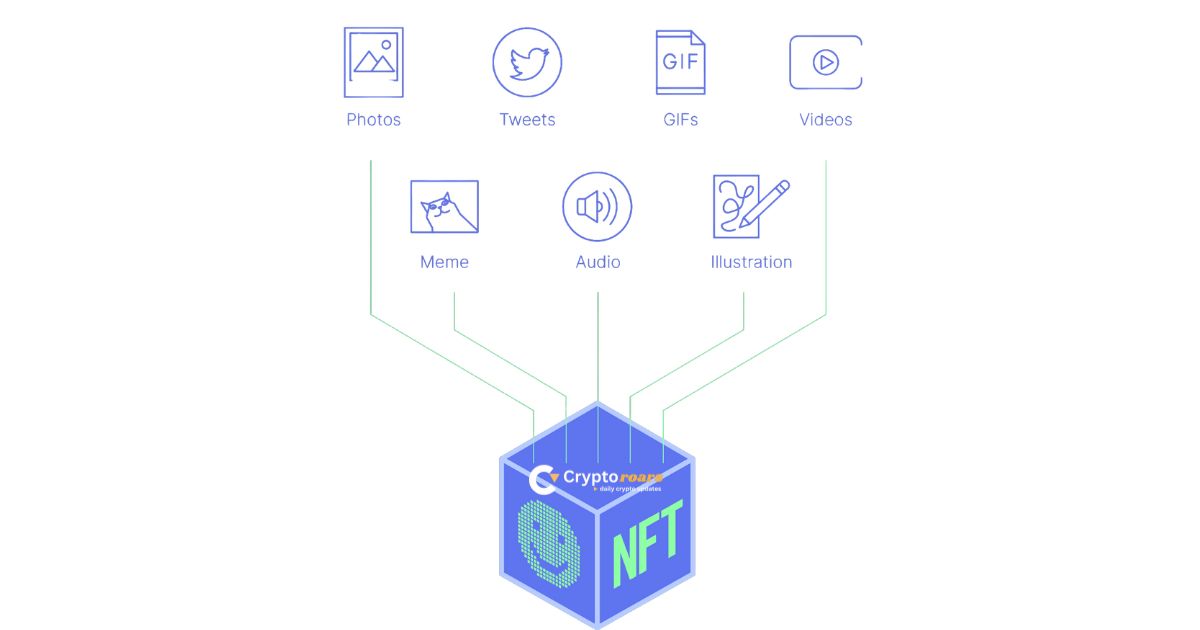
    Before you can design solid NFT investment strategies for beginners, you must understand how NFTs work. NFTs are built on smart contracts that live on blockchains such as the Ethereum blockchain and the Solana blockchain. A blockchain is a digital ledger that records transactions securely and transparently. What makes NFTs different from cryptocurrencies is that each token is unique and cannot be exchanged for another token in a one-to-one way. That is the heart of the non-fungible token definition.

    When you buy NFTs online, you are buying digital proof that links you to a specific asset. This link cannot be altered because it is stored on the blockchain. It may represent digital collectibles, artwork, music, videos, or even NFTs as tokenized real-world assets like property deeds. Each transaction is a transfer of ownership via blockchain, making the record permanent. In simple words, NFTs allow both NFT creators and buyers to track ownership without depending on a middleman.

    A Brief History of NFTs

    The story of NFTs began in the mid-2010s when developers experimented with the concept of unique digital items. Early examples like Rare Pepes and CryptoKitties showed the world the potential of blockchain beyond cryptocurrency. However, it was projects such as CryptoPunks and Bored Ape Yacht Club that made NFTs mainstream. These NFT collections became cultural icons and shaped the way people understood NFT investment strategies for beginners.

    In the United States, NFTs gained popularity when big brands, celebrities, and sports organizations entered the space. Platforms like Sports NFTs (NBA Top Shot, NFL All Day) showed how blockchain could be used for fan engagement and ticketing. Today, millions of dollars flow through NFT trading platforms, with marketplaces like OpenSea and Rarible driving adoption. The history shows that NFTs are not a passing trend but an evolving technology with real-world impact.

    Types of NFTs You Can Invest In

    Understanding the types of NFTs (digital art, music, real estate, and domain names) is essential before starting any investment. Digital art is the most common form, where artists upload their work and sell it as NFTs. Collectors value these because of their NFT as digital proof of authenticity. Music and video NFTs are also growing, allowing musicians and filmmakers to connect directly with fans.

    Another major category is metaverse assets, such as virtual land and avatars. Many games now use NFTs to sell in-game items like weapons, skins, and collectibles. Utility NFTs provide access to events, clubs, or online services. Finally, NFTs as tokenized real-world assets include property deeds, certificates, or licenses that exist both in the physical and digital world. This variety gives investors many opportunities to build diverse strategies.

    Benefits of Investing in NFTs

    The benefits of NFTs are often discussed in terms of authenticity, ownership, and transferability. The blockchain provides transparency, which means no two tokens can be identical. This creates scarcity, a key factor in increasing value. Ownership is another major advantage. With NFTs, buyers receive permanent rights recorded on the blockchain, making them true holders of the item.

    NFTs also allow for content monetization opportunities. NFT creators can add NFT royalties and creator income, meaning they get a percentage every time the NFT is resold. This system ensures long-term earnings for creators while giving investors a way to profit through reselling NFTs. Additionally, the ability to trade assets quickly across NFT marketplaces creates liquidity that traditional markets lack.

    Risks and Challenges of NFT Investment

    Like any new industry, NFT investing comes with risks. One of the biggest is smart contract vulnerabilities. If the code of the NFT is flawed, it could be exploited. Another problem is market volatility and pricing challenges. The value of NFTs can swing widely, making it hard for beginners to know when to buy or sell. These are real risks of buying NFTs that cannot be ignored.

    Legal issues add another layer of difficulty. Intellectual property disputes are common when creators upload stolen content. Governments are also debating whether NFTs should be treated as securities, which would lead to strict rules. On top of that, scams, phishing attacks, and cybersecurity threats are frequent. This makes it vital for newcomers to adopt safe practices when exploring NFT investment strategies for beginners.

    Where to Buy and Sell NFTs: Marketplaces Explained

    The backbone of the NFT world is the network of NFT marketplaces. These platforms allow users to buy NFTs online and sell NFTs easily. OpenSea, for example, is the largest marketplace built on the Ethereum blockchain, offering a wide range of NFT collections. Rarible supports cross-chain NFT compatibility, allowing trading on multiple blockchains.

    Other popular platforms include Magic Eden, which focuses on the Solana blockchain, and Binance NFT, which is linked to one of the world’s biggest crypto exchanges. Each marketplace has unique NFT marketplace fees and commissions, so beginners should compare before making decisions. Smaller, niche platforms like NBA Top Shot or NFL All Day focus on sports memorabilia, providing special opportunities for fans.

    Setting Up Your NFT Wallet and Account

    To start trading NFTs, you need an NFT wallet setup. Popular wallets in the USA include MetaMask, Trust Wallet, and Coinbase Wallet. These wallets store both your NFTs and the cryptocurrency required for transactions. Setting up MetaMask or Trust Wallet is simple, but you must keep your recovery phrase safe at all times. Losing it means losing your assets.

    Once you create your wallet, you must connect it to a marketplace. Connecting a wallet to an NFT marketplace enables direct buying and selling. This step is crucial in any NFT investment guide, as it allows you to operate securely without depending on third-party platforms. Think of it as opening a bank account, but one that gives you more control and flexibility.

    Funding Your Wallet Safely

    The next step is funding a crypto wallet with the currency supported by your chosen marketplace. For Ethereum-based platforms, you’ll need ETH, while Solana platforms require SOL. You can buy these coins on regulated US crypto exchanges like Coinbase, Gemini, or Binance.US. Always make sure the exchange you use is registered to avoid scams.

    When transferring funds, double-check the network type. Paying transaction fees in crypto requires precision because sending money to the wrong blockchain could mean permanent loss. For example, sending ETH to a Solana address will result in a failed transfer. Beginners should always start with small amounts until they feel confident handling larger transactions.

    How to Buy NFTs Step by Step

    Buying NFTs requires patience and careful attention. Most NFT marketplaces allow two methods: buying at a fixed price or participating in NFT auction types (timed auction, Dutch auction). A fixed price purchase is instant, while auctions can last several days. Auctions may drive up prices quickly, so beginners should learn bidding strategies before engaging.

    Another point to remember is gas fees. These are charges paid to process blockchain transactions, and they vary depending on the network. On the Ethereum blockchain, gas fees can be high during peak hours, while the Solana blockchain is usually cheaper. Beginners should always ensure they have enough funds to cover both the NFT price and the fees.

    How to Sell NFTs Effectively

    Selling NFTs can be done in different ways. The first is minting NFTs directly on a marketplace. NFT minting standards (ERC-721, ERC-1155) define how these tokens are created on the blockchain. Minting lets NFT creators upload their work and set conditions like royalties. Once minted, the NFT can be listed for sale.

    The second method is reselling NFTs that you already own. Platforms allow you to set a fixed price or auction terms. The NFT listing process is straightforward but may involve fees. Choosing the right strategy depends on market demand and timing. Good NFT reselling strategies often require watching trends closely and moving quickly when opportunities arise.

    Why Do People Buy NFTs? Understanding the Value Drivers

    People buy NFTs for different reasons. Some see them as investments, hoping to profit from rising demand. Others want access to communities or events that require NFT ownership. For example, some projects offer memberships, exclusive content, or voting rights in community-driven NFT platforms (DAO, governance tokens).

    Emotional value is another driver. Collectors enjoy owning rare digital art or unique digital collectibles. NFT as digital proof of authenticity makes them confident that no one else can claim the same item. In the USA, sports fans are particularly active in Sports NFTs (NBA Top Shot, NFL All Day) because they feel connected to their favorite teams and moments.

    How to Build a Beginner-Friendly NFT Investment Portfolio

    When designing NFT investment strategies for beginners, diversification is essential. You should not put all your money into one collection or type of asset. A balanced portfolio may include digital art, gaming items, and NFTs as tokenized real-world assets. This reduces the risk of losses if one sector falls.

    Another tip is to start small. Beginners can explore low-cost NFTs first and gradually scale up. Monitoring NFT trading platforms and watching how collections perform is key. A simple table can help you track your investments.

    NFT Type Example Marketplace Risk Level Potential Reward
    Digital Art OpenSea Medium High
    Gaming Assets Magic Eden High High
    Sports Collectibles NBA Top Shot Low Medium
    Real-World Assets Rarible Medium Long-Term

    Long-Term vs Short-Term NFT Investment Strategies for Beginners

    Investors can choose between long-term holding and short-term flipping. Long-term strategies focus on projects with strong NFT creators and real utility. These may involve NFTs as tokenized real-world assets, gaming ecosystems, or metaverse platforms. Holding these can bring value as demand grows.

    Short-term strategies rely on hype cycles and fast-moving trends. In this case, NFT reselling strategies become important. Investors buy during early stages and sell quickly when prices rise. While risky, this approach can generate quick profits if executed carefully. Understanding both methods helps beginners choose what fits their goals.

    Expert Tips for Safely Investing in NFTs

    Safety is a key part of any NFT investment guide. Always use a hardware wallet if you plan to invest serious money. Avoid clicking unknown links, as phishing scams are common in this space. Verify smart contracts before making purchases to ensure you are dealing with the official project.

    Joining communities is also helpful. Twitter, Discord, and forums give insights into trends and NFT trading platforms. Experienced investors share their thoughts, and beginners can learn from them. The more you stay connected, the better your chances of avoiding mistakes and building smart NFT investment strategies for beginners.

    Are NFTs a Good Investment for the Future?

    The future of NFTs in the USA looks promising, but not without uncertainty. On one side, we see growth in industries like gaming, entertainment, and ticketing. NFT as digital proof of authenticity has practical use in property transfers and certifications. On the other side, regulatory changes and market bubbles pose risks.

    Experts believe NFTs will become more stable as technology matures. Integration with cross-chain NFT compatibility will improve liquidity, and new rules may create safer environments for investors. For beginners, the best approach is to combine education with caution. By starting small and staying updated, NFTs can be a valuable part of a larger investment plan.

    Final Thoughts on NFT Investment Strategies for Beginners

    NFT investment strategies for beginners require patience, research, and safe practices. You must understand how NFTs work, use trusted crypto exchanges, and avoid scams. Diversification is vital, and so is keeping track of fees, especially gas fees.

    The bottom line is that NFTs offer both opportunities and challenges. Whether you want to support NFT creators, explore NFT collections, or join community-driven NFT platforms (DAO, governance tokens), the future is full of possibilities. By following this NFT investment guide, you can take the first steps toward building a secure and rewarding journey in the world of digital assets.

    FAQs on NFT Investment Strategies for Beginners

    Q1: What is the easiest way for a beginner to start investing in NFTs?

    The easiest way is to complete an NFT wallet setup, fund it through crypto exchanges, and connect it to trusted NFT marketplaces like OpenSea or Rarible before you buy NFTs online.

    Q2: Do I need a lot of money to invest in NFTs?

    No. Many digital collectibles and small NFT collections are affordable. Some projects on the Solana blockchain and new community-driven NFT platforms allow entry with very low fees compared to the Ethereum blockchain.

    Q3: Are NFTs safe investments?

    They carry risks. Issues like high gas fees, scams, or unclear NFT ownership rights are common. Always check NFT creators, smart contracts, and project reputations before investing.

    Q4: How do I make money with NFTs?

    You can earn through NFT reselling strategies, NFT royalties, or holding valuable NFTs as tokenized real-world assets that may rise in demand.

    Q5: What types of NFTs are most popular for beginners?

    Common ones include Types of NFTs (digital art, music, real estate, domain names), sports NFTs (NBA Top Shot, NFL All Day), and utility-based NFTs that provide access to communities or events.

    Q6: What’s the difference between buying at a fixed price and an auction?

    Buying NFTs at a fixed price vs auction differs in timing and competition. A fixed price gives certainty, while NFT auction types (timed auction, Dutch auction) may allow better deals but carry risks of overbidding.

    Q7: Can I transfer my NFTs between blockchains?

    Yes, some projects support cross-chain NFT compatibility, though not all do. Always verify before making a purchase.

    Q8: Are NFTs a good investment for the long term?

    For some, yes. With strong NFT investment strategies for beginners, patience, and research, they can be part of a diversified portfolio. But the risks of buying NFTs mean you should only invest what you can afford to lose.

    For more information, keep visiting cryptoroars.com
    Environmental Impact of NFTs and Blockchain: Energy, Carbon Footprint, and Sustainability in 2025

    0
    Environmental impact of NFTs and blockchain

    Introduction to NFTs and Blockchain

    The Environmental impact of NFTs and blockchain has become one of the most discussed topics in today’s digital economy. As blockchain technology continues to expand, powering everything from cryptocurrency to NFT minting, it brings both innovation and responsibility. NFTs have created a new digital art revolution, giving artists fresh opportunities and reshaping ownership of assets, yet this progress comes with an unseen cost. Behind each transaction lies heavy NFT energy consumption, leading to growing debates about sustainability. Many argue that the widespread adoption of blockchain could significantly add to global carbon dioxide (CO2) levels, raising concerns for climate-conscious users.

    At the same time, experts and researchers have begun to measure the NFT carbon footprint in detail. From mining systems to massive NFT marketplaces, the infrastructure consumes vast electricity, which often comes from fossil fuels. This raises a serious issue: should humanity continue to embrace digital assets if their environmental trade-off means higher risks of climate change and NFTs becoming inseparable?

    Why Environmental Concerns Matter

    The reason these concerns matter so much is that the NFT carbon footprint directly contributes to the global climate crisis. At a time when countries are urging industries to reduce emissions, NFTs add a fresh layer of stress. The average NFT may produce hundreds of kilograms of carbon dioxide (CO2) during its creation and sale. This number may sound abstract, but when compared to driving a car long distances or heating thousands of kettles, the cost becomes very real.

    In the United States, where NFTs and cryptocurrencies are thriving, climate advocates are worried about the social consequences. The blockchain carbon cost is rising just as the government pushes for renewable energy adoption. Many critics argue that the financial benefits of NFTs cannot justify their environmental damage. Others believe that ignoring this impact only worsens the problem of climate change and NFTs.

    How Blockchain Consumes Energy

    Blockchain works differently than regular databases. Instead of one computer storing information, thousands of machines worldwide compete to verify transactions. This process, known as crypto mining, is what drives up NFT energy consumption. Each mining rig uses massive amounts of power, often more than an average household. When scaled to millions of users, the footprint becomes staggering.

    The truth is, mining machines are not just energy-thirsty but also highly inefficient. They run day and night, requiring constant electricity. A study revealed that some blockchains use more energy than entire countries. When combined with NFT minting, which requires constant recording of ownership on the blockchain, the numbers grow even higher. This shows why NFTs cannot be separated from broader blockchain energy debates.

    Proof-of-Work vs Proof-of-Stake

    The main difference lies in the type of consensus system used. Proof-of-Work mining energy is notorious for its waste. It forces miners to solve complex problems to secure the network. This method produces trust but at the cost of vast power use. Many of the most polluting NFT projects were built on blockchains that used Proof-of-Work.

    By contrast, Proof-of-Stake requires no such energy race. Instead of competition, validators are chosen based on their stake. This drastically reduces the digital artwork carbon cost and offers one of the best NFT sustainability solutions. The Ethereum network recently moved from Proof-of-Work to Proof-of-Stake in a transition known as “The Merge.” This change alone reduced its energy demand by over 99%, a historic shift for the blockchain industry.

    Energy Demand of NFT Minting and Transactions

    Every part of the NFT lifecycle carries a cost. NFT minting demands around 80 kilograms of carbon dioxide (CO2), while primary NFT sales and secondary NFT sales also add large amounts. Even simple NFT transfers consume significant energy, since each transaction is recorded permanently on the chain. The process, while secure, creates unavoidable emissions.

    Memo Atken, an NFT artist, once compared the energy impact of NFT production to boiling millions of kettles. His research shocked many in the art world. When buyers learn that one NFT could equal driving thousands of miles in a car, the excitement of digital collecting often fades into concern. This comparison makes the NFT carbon footprint easier to understand.

    Carbon Emissions of NFTs

    The carbon dioxide emissions from NFTs are not just numbers on paper. They directly add to the global carbon budget. Researchers estimate that one average NFT produces around 211 kilograms of CO2. That equals what three to four trees would absorb over their lifetime. The idea of trees offsetting CO2 highlights how much nature must work to balance digital trade.

    To make this clearer, here is a simple table comparing NFT actions with tree offsets:

    NFT Activity CO₂ Produced (kg) Trees Needed to Offset
    Minting 83 1.38
    One sale 51 0.85
    One transfer 30 0.50
    Secondary sale 81 1.35

    This table shows how NFT emissions are equivalent to trees, which makes the damage easier to measure.

    Calculating the NFT Carbon Footprint

    Environmental impact of NFTs and blockchain

    For those in the United States who own NFTs, measuring their environmental cost is now easier. An NFT CO2 calculator can estimate your portfolio’s footprint. By entering how many tokens you minted, bought, or sold, you can discover how much NFT energy consumption you’ve created. The numbers often shock people because they had no idea a digital file could equal tons of carbon dioxide (CO2).

    For example, owning ten NFTs could equal driving a car for thousands of miles. If each mint produces 83 kilograms of CO2, then ten NFTs equal 830 kilograms, which requires over 13 trees to offset. This comparison of digital ownership to natural offset helps people grasp the NFT environmental impact in more human terms.

    Most Environmentally Damaging NFT Collections

    Some collections stand out for their heavy emissions. CryptoKitties, for instance, has been linked to nearly 240 million kilograms of CO2. This required nearly four million trees to offset. Similarly, Sorare produced over 35 million kilograms of emissions. Axie Infinity, before its Ronin blockchain migration, reached 27 million kilograms. Art Blocks created 23 million, while The Sandbox produced over 11 million.

    Other notable projects like Decentraland, Bored Ape Yacht Club, Mutant Ape Yacht Club, Cool Cats NFT, CyberKongz, and Hashmasks also contribute heavily to the NFT collections’ carbon emissions. Each sale, mint, or transfer in these projects adds to the ongoing toll on the environment. These numbers underline why critics call them the most polluting NFT projects.

    Hidden Costs: Electronic Waste and Cooling

    Beyond energy, blockchains create mountains of waste. Mining rigs used in crypto mining wear out quickly. When thousands of machines are replaced, the result is tons of electronic waste. Unlike other industries, these machines are often useless outside of mining, so recycling is a huge challenge.

    Cooling is another hidden cost. Mining machines generate heat and require air conditioning or water systems to stay functional. This adds to the blockchain carbon cost, since power is also used for cooling. In regions with coal-powered electricity, the NFT environmental impact becomes even worse.

    Policy Interventions and Global Regulations

    Governments are stepping in. In the United States, discussions on limiting crypto’s energy use have grown louder. Officials are debating stricter rules on Proof-of-Work mining energy and tax incentives for clean energy. Similar measures are also being considered in Europe and Asia.

    Some regulators are exploring carbon taxes on primary NFT sales and secondary NFT sales. This would make polluting collections less profitable while rewarding NFT sustainability solutions. Many experts believe these interventions are the only way to balance the excitement of digital assets with the urgency of climate protection.

    Sustainable Blockchain Alternatives

    One of the best options is switching to cleaner blockchains. Networks using Proof-of-Stake are already proving successful. The Ethereum network’s upgrade reduced NFT energy consumption to levels that no longer compete with entire nations. Other projects are exploring Layer 2 scaling, which processes transactions off-chain and lowers emissions.

    Eco-friendly platforms are also emerging. These blockchains focus entirely on being green. Their marketing highlights the reduced digital artwork carbon cost, and their technology ensures minimal blockchain carbon cost. Many U.S.-based artists are now adopting these platforms to align with their climate values.

    Role of Renewable Energy in NFTs

    The role of renewables is critical. By using solar, wind, or hydro, blockchain networks can reduce their environmental impact dramatically. In the U.S., some mining operations are already moving toward renewable farms. States like Texas are attracting blockchain companies because of their wind energy supply.

    However, the transition isn’t simple. Renewable power must be affordable and reliable. Many mining operations still depend on fossil fuels, making the NFT environmental impact worse. Until renewables dominate the sector, blockchain will remain linked to carbon dioxide emissions from NFTs.

    Case Studies of Eco-Friendly NFT Projects

    A positive case is Ethereum’s Merge, which shifted the entire chain to Proof-of-Stake. Reports show a reduction of 99% in its energy use, setting an example for the industry. Another case is Axie Infinity’s Ronin blockchain migration, which slashed emissions linked to its gaming NFTs.

    Smaller U.S. projects are also making waves. Many artists now choose eco-friendly chains to host their crypto artwork energy use. These steps, while small, show that NFT sustainability solutions are possible when developers and artists take climate into account.

    Cost of NFTs in the Natural World

    Every NFT comes with a hidden price for the planet. From forests to oceans, the footprint spreads. When we calculate NFT emissions are equivalent to trees, it’s clear that a single collection can require millions of trees to offset. This raises questions about biodiversity and long-term sustainability.

    For example, primary NFT sales alone in one large collection may demand forests the size of cities. The digital artwork carbon cost is not invisible; it has real effects on the natural world. This shows why society must weigh the true environmental impact of NFTs and blockchain against its profits.

    Economic Trade-Offs and Green Finance

    Economically, NFTs are booming. The U.S. market alone has seen billions in sales. But the NFT carbon footprint adds costs that are not reflected in financial statements. These externalities harm society but benefit a few.

    Green finance offers one solution. By linking blockchain with carbon markets, creators could be forced to offset emissions. This could mean planting trees, funding renewable energy, or investing in climate projects. Some view this as the only way to balance profit and responsibility in the NFT world.

    Public Perception of NFTs and the Environment

    Public opinion is divided. Some see NFTs as an innovative future, while others call them environmental disasters. In the U.S., media reports often highlight the carbon dioxide emissions from NFTs and their link to climate change. This has fueled a growing movement demanding greener blockchain practices.

    Myths also spread quickly. Many believe the Ethereum network still operates with Proof-of-Work mining energy, even though it has changed. This misinformation hurts both creators and buyers. Education is key if NFTs are to gain long-term trust.

    Future of NFTs and Climate Sustainability

    Looking forward, NFTs must change to survive. Without NFT sustainability solutions, the industry risks global backlash. The next decade may see stronger rules, better green technologies, and public demands for transparency.

    If the U.S. leads with smart regulation, it could turn blockchain into a climate-friendly technology. By combining innovation with responsibility, the environmental impact of NFTs and blockchain could be reduced, making it a part of the solution rather than the problem.

    Conclusion and Key Takeaways

    The evidence is clear: the NFT carbon footprint is real and serious. From primary NFT sales to secondary NFT sales and even NFT transfers, every action adds to the blockchain carbon cost. Projects like CryptoKitties, Sorare, and Bored Ape Yacht Club highlight the scale of damage, while stories like Ronin blockchain migration show that change is possible.

    The path forward lies in awareness, policy, and innovation. By embracing Proof-of-Stake, renewable energy, and NFT sustainability solutions, the industry can still thrive without harming the climate. The environmental impact of NFTs and blockchain will remain a challenge, but it can also be a chance to build a greener digital future.

    FAQs on Environmental Impact of NFTs and Blockchain

    Q1: What is the environmental impact of NFTs and blockchain?

    The environmental impact of NFTs and blockchain comes mainly from high NFT energy consumption and the resulting carbon dioxide emissions from NFTs. These effects contribute to global climate change and NFT debates.

    Q2: Why do NFTs consume so much energy?

    Most NFTs are built on the Ethereum network, which until recently relied on Proof-of-Work mining energy. This process requires large computing power and electricity.

    Q3: How big is the NFT carbon footprint?

    The NFT carbon footprint can vary, but experts estimate that a single NFT minting and related NFT transfers can release as much CO2 as weeks of electricity usage in one household.

    Q4: Are there solutions to NFT sustainability problems?

    Yes, options include Proof-of-Stake blockchains, carbon offset for NFTs, and the use of renewable energy for crypto mining. Projects like Ronin blockchain migration show a greener future.

    Q5: Which NFT collections have the highest carbon emissions?

    Collections such as CryptoKitties, Axie Infinity, Art Blocks, Bored Ape Yacht Club, and Decentraland have been cited among the most polluting NFT projects because of heavy transactions.

    Q6: How can individuals reduce NFT emissions?

    Using an NFT CO2 calculator, supporting eco-friendly NFT projects, and planting trees to offset CO2 are steps that reduce digital artwork carbon cost.

    For more information, keep visiting cryptoroars.com

    NFTs vs. Cryptocurrency: Key Differences and How They Work

    0
    NFTs

    Introduction to Digital Assets

    The world of digital assets has changed the way people think about money, ownership, and technology. In recent years, many investors and tech enthusiasts have been trying to understand the Difference between NFTs and cryptocurrencies because both are often grouped under the same blockchain umbrella. While they share similar foundations like Distributed Ledger Technology (DLT) and smart contracts, their purposes, functions, and use cases are not the same. Cryptocurrencies act as a medium of exchange, while NFTs are designed to prove unique ownership of digital or physical items. This makes them very different in the financial and creative economy.

    If you’re trying to explore the Difference between NFTs and cryptocurrencies, it’s important to look closely at how they operate in markets, their tokenization processes, and their value in modern society. Understanding this divide will give you clarity on how to invest, trade, or use these assets in the growing blockchain economy.

    What Are Cryptocurrencies?

    A cryptocurrency is the native currency of a blockchain. It is created by the blockchain protocol itself, and every unit is identical to another of the same type. Bitcoin, Ethereum, and Solana are leading examples. Each coin can serve as a medium of exchange or a store of value, giving people the ability to trade, invest, or hold them as digital money.

    Cryptocurrencies are secured using cryptography, preventing double-spending and protecting their networks. They run on Distributed Ledger Technology (DLT), which ensures every transaction is visible and verifiable. The Ethereum ecosystem, for example, not only has Ether as its cryptocurrency but also supports thousands of other crypto tokens in Ethereum. This makes it one of the largest platforms for blockchain-based digital assets in the USA.

    What Are NFTs (Non-Fungible Tokens)?

    NFTs

    Unlike cryptocurrencies, non-fungible tokens (NFTs) are unique. They cannot be exchanged on a one-to-one basis because every NFT carries a different digital fingerprint. Think of it like owning an original piece of art; copies exist, but the original remains valuable because it is verified as authentic on the blockchain. This uniqueness is what defines NFTs as distinct digital assets.

    NFTs are often created on existing blockchains using token standards such as ERC-721 tokens or ERC-1155. They may represent digital artworks, tangible and intangible assets on blockchain, collectibles, or even ownership in real estate. The difference between NFTs and cryptocurrencies becomes clear when you look at their nature: cryptocurrencies are interchangeable, but NFTs are not. In the USA, music labels, sports teams, and even schools are using NFTs to manage ownership, licensing, and distribution in innovative ways.

    The Role of Blockchain in Both Assets

    Both cryptocurrencies and NFTs exist because of the blockchain protocol. This protocol acts like a rulebook, ensuring assets are created and transferred securely. Transparency in blockchain is one of the most important features, making every transaction visible and reducing the chance of fraud.

    Cryptocurrencies usually follow ERC-20 tokens or similar fungible standards, meaning every unit has the same value. In contrast, NFTs follow ERC-721 tokens where each piece is unique. Both depend on smart contracts, which are programmable agreements running automatically on the network. These contracts secure rules for ownership, trade, and token creation and tokenization process, giving people confidence in using them without relying on a central authority.

    Key Similarities Between NFTs and Cryptocurrencies

    The first similarity between NFTs and cryptocurrencies is their foundation. Both are blockchain-based digital assets that depend on cryptography for crypto asset security. They also use the same distributed systems to prevent counterfeiting prevention.

    Another similarity is that both belong to an expanding universe of digital finance. Whether through utility tokens or governance tokens, both forms of assets link people to the expansion of crypto ecosystems. In practice, investors often hold cryptocurrencies and NFTs in the same digital wallets, trading them through similar platforms. Both share the appeal of decentralization and being part of permissionless and trustless systems, where anyone can join without special permission.

    Major Differences Between NFTs and Cryptocurrencies

    The most important difference between NFTs and cryptocurrencies is fungible vs non-fungible. A cryptocurrency like Bitcoin is interchangeable because every unit is the same. An NFT is one of a kind, meaning it cannot be directly swapped with another.

    Another difference comes from divisibility. Cryptocurrencies can be split into smaller units, such as 0.0001 BTC, while NFTs must be owned as a whole. Value is another factor. Cryptocurrencies gain value through supply, demand, and adoption as a store of value. NFTs, however, gain worth through uniqueness, creator reputation, and the demand for specific platform-specific services. This clear divide shows why investors often treat them differently in their strategies.

    Table: Key Differences

    Feature Cryptocurrencies NFTs
    Nature Fungible Non-fungible
    Standard ERC-20 tokens ERC-721 tokens
    Value Basis Market adoption, supply & demand Rarity, uniqueness, creator value
    Divisibility Highly divisible Indivisible
    Role in Blockchain Native asset Tokens built on existing blockchains

    NFTs vs. Cryptocurrencies in the Market

    In the USA, cryptocurrencies dominate with a market cap in the trillions of dollars. Bitcoin and Ethereum lead as household names, often seen as the native cryptocurrency of a blockchain. On the other hand, NFTs gained fame in 2021 when art collections sold for millions. Despite cooling down, their market continues to grow in gaming, entertainment, and ticketing.

    Institutions see cryptocurrencies as safer investments compared to NFTs because of liquidity and long history. Yet NFTs provide opportunities in areas where digital ownership matters most. From an American investor’s perspective, the difference between NFTs and cryptocurrencies is not about choosing one but understanding how each fits in a portfolio.

    Use Cases of Cryptocurrencies

    NFTs

    Cryptocurrencies serve real-world purposes in the USA. They are used as a medium of exchange for goods and services, accepted by companies like PayPal and Tesla. They also act as a store of value, especially during economic uncertainty, much like gold.

    Cryptocurrencies are central to Decentralized finance (DeFi), where users can lend, borrow, and earn interest without banks. They also work as governance tokens in some networks, giving users voting rights in blockchain governance decisions. This wide set of roles explains why cryptocurrencies are essential for both individuals and businesses.

    Use Cases of NFTs

    NFTs began with art, but their reach is now wider. In the USA, platforms like NBA Top Shot turned sports highlights into tradable assets. Musicians release tangible and intangible assets on blockchain, allowing fans to buy exclusive digital albums. Real estate firms experiment with NFT-based deeds to simplify property transfers.

    Unlike cryptocurrencies, NFTs focus heavily on platform-specific services. They allow creators to earn royalties whenever their work is sold again. They also support programmable assets, meaning they can unlock content, grant access to communities, or work in online games. These examples prove NFTs are more than just collectibles; they represent an evolving future of ownership.

    How to Buy and Trade Cryptocurrencies

    In the USA, you can buy cryptocurrencies through licensed exchanges such as Coinbase, Binance.US, and Gemini. After purchase, they are stored in wallets. Hot wallets are online and easy to use, while cold wallets are offline and provide stronger crypto asset security.

    Trading involves buying low and selling high, but many also use crypto for platform-specific services such as staking and earning rewards. Regulations in the US require exchanges to follow strict rules, giving investors more protection. Understanding these rules is important because the difference between NFTs and cryptocurrencies also extends to how they are bought and managed.

    How to Buy and Sell NFTs

    NFTs are purchased on marketplaces like OpenSea, Blur, and Rarible. Each NFT exists on a blockchain, and most are tokens built on existing blockchains such as Ethereum, Polygon, or Solana. Buyers usually pay in cryptocurrency, often in Ether.

    Transactions often require gas fees, which cover smart contracts that secure the ownership transfer. Once bought, NFTs are stored in digital wallets alongside cryptocurrencies. Sellers can list their NFTs for resale, and creators can continue earning royalties through tokenization systems built into the blockchain.

    Risks and Challenges of Cryptocurrencies

    Cryptocurrencies face risks that investors in the USA must know. Volatility remains a major challenge. Prices can swing by double digits in hours, making them risky as a store of value. Scams and hacking also occur, targeting wallets and exchanges.

    Regulation is another key concern. The SEC and other agencies continue to debate how to classify cryptocurrencies and whether they count as securities. These regulatory shifts create uncertainty, yet they also aim to protect investors and ensure safer expansion of crypto ecosystems.

    Risks and Challenges of NFTs

    NFTs face their own issues. Their markets have been criticized as speculative bubbles. Prices can rise quickly and crash just as fast. Copyright concerns are also common, as not every NFT seller has legal rights to the art or content they sell.

    Frauds, rug pulls, and weaknesses in smart contracts add more risks. For US buyers, knowing the creator, verifying authenticity, and using trusted marketplaces are important steps. This highlights how the difference between NFTs and cryptocurrencies also lies in the type of challenges they face.

    Future of Cryptocurrencies

    The future of cryptocurrencies in the USA looks tied to regulation and mainstream adoption. More companies accept them for payments, while stablecoins like DAI play a role in reducing volatility. Institutional investors also join through Bitcoin ETFs and other regulated products.

    Central Bank Digital Currencies (CBDCs) may reshape the role of cryptocurrencies. At the same time, DeFi continues to evolve, introducing new ways for people to interact with money. This ongoing expansion of crypto ecosystems shows how cryptocurrencies may stay a long-term part of global finance.

    Future of NFTs

    NFTs are evolving beyond art and collectibles. US companies explore NFTs for identity verification, event ticketing, and even medical record storage. Real estate transactions could soon rely on NFT-based contracts for faster transfers.

    Integration with the metaverse and Web3 makes NFTs more exciting. Programmable assets will allow them to unlock experiences or connect with blockchain-based organizations. The future of digital assets is not just about money, but about ownership, identity, and how people interact online.

    Final Comparison – Which One Is Right for You?

    When we look at the Difference between NFTs and cryptocurrencies, the first thing to notice is that they serve very different purposes in the world of digital assets. Cryptocurrencies act as a medium of exchange and a store of value, making them closer to money in the digital economy. They are built on strong blockchain protocol systems that allow permissionless and trustless systems where people can trade without relying on banks. Assets like Bitcoin and Ethereum are considered the native cryptocurrency of a blockchain, and they solve major issues like double-spending while offering high security through transparency in blockchain. For anyone who wants liquidity, stability, and acceptance across global markets, cryptocurrencies are the practical choice.

    NFTs, however, represent uniqueness and ownership. They are non-fungible tokens (NFTs) created through ERC-721 tokens that allow the tokenization of both tangible and intangible assets on blockchain. Unlike fungible cryptocurrencies, each NFT is one of a kind, making them useful in areas like digital art, collectibles, gaming, and platform-specific services inside the Ethereum ecosystem. They also play a role in blockchain-based organizations through voting rights in blockchain governance and new creative economies. If your goal is to prove ownership, fight counterfeiting prevention, or explore opportunities in culture, identity, and innovation, NFTs are the right choice. Both NFTs and cryptocurrencies will grow with the future of digital assets, but your decision depends on whether you want digital money or unique ownership.

    FAQs on Difference Between NFTs and Cryptocurrencies

    Q1: What is the main Difference between NFTs and cryptocurrencies?

    The main Difference between NFTs and cryptocurrencies is that cryptocurrencies like Bitcoin or Ethereum are fungible and can be exchanged equally, while NFTs (non-fungible tokens) are unique and represent ownership of a specific digital asset such as art, music, or virtual real estate.

    Q2: Can I use NFTs as a medium of exchange like cryptocurrencies?

    No, NFTs are not designed as a medium of exchange or store of value. They act as proof of ownership of a unique asset, while cryptocurrencies are widely used as money in the digital world.

    Q3: Are NFTs and cryptocurrencies built on the same blockchain?

    Yes, both are blockchain-based digital assets. Cryptocurrencies often act as the native asset of a blockchain, while NFTs are usually created as ERC-721 tokens or other token standards on existing blockchains like the Ethereum ecosystem.

    Q4: Which one is more secure—NFTs or cryptocurrencies?

    Both rely on distributed ledger technology (DLT) for transparency in blockchain and counterfeiting prevention. However, security also depends on wallet safety, platforms used, and the user’s knowledge of scams.

    Q5: Which has a better future, NFTs or cryptocurrencies?

    Experts believe both will play a role in the future of digital assets. Cryptocurrencies may expand as global money, while NFTs could dominate areas like gaming, art, and tokenization of tangible and intangible assets.

    For more information, keep visiting cryptoroars.com

    NFT Frauds: Types, Examples & Whistleblowing

    0
    NFT Fraud

    The explosive growth of NFTs has created both opportunities and risks for investors worldwide, especially in the United States. What began as an innovative way to buy and sell digital collectibles has quickly become a billion-dollar market attracting artists, brands, and collectors. NFTs promise ownership on the blockchain, giving people access to rare items such as Bored Apes, NBA Top Shot moments, and countless other projects. However, along with this excitement comes a surge of NFT fraud that undermines trust in the market. From counterfeit NFTs to manipulative rug pulls, the landscape is full of risks that often catch unsuspecting investors off guard.

    Understanding NFT fraud requires looking beyond surface-level hype and analyzing how criminals exploit weaknesses in blockchain systems and investor behavior. Fraudsters use fake websites, Discord hacks / DM scams, phishing scams, and deceptive promises to steal money and digital assets. Because blockchain transactions are irreversible, victims often lose everything with no recovery options. This makes awareness, vigilance, and strong security measures like seed phrase security and private keys protection absolutely critical. As the market continues to expand, learning how these frauds work and how to report them is the first step toward safer investing and holding fraudsters accountable.

    What are NFTs?

    NFTs, or non-fungible tokens, are digital assets stored on a blockchain. Unlike cryptocurrencies such as Bitcoin, each NFT is unique and cannot be exchanged one-to-one. That uniqueness made NFTs perfect for art, music, gaming, and collectibles. Platforms like OpenSea and Rarible brought NFTs to the mainstream, while projects like NBA Top Shot introduced millions of Americans to digital collectables fraud risks.

    However, the same technology that makes NFTs powerful also creates room for blockchain fraud. Because transactions are based on irreversible transactions, once money or tokens are sent, they cannot be retrieved. Add pseudonymous blockchain developers and global platforms, and the result is a playground for crypto scams. This is why knowledge about NFT scams is critical for every investor.

    Understanding NFT Frauds and Scams

    The most common NFT fraud in the U.S. comes in several forms. Phishing scams trick people into clicking fake links that steal funds. Fake NFT projects launch quickly, raise millions, then vanish overnight in what are called rug pulls or exit scams. Criminals create fake NFT marketplaces to sell counterfeit NFTs, sometimes using fraudulent domain names or even fake Google ads (crypto) to lure buyers.

    Many scams take place on platforms like Discord and Telegram. Discord NFT scams involve compromised Discord servers or Discord hacks / DM scams where attackers send links to malicious smart contracts. Victims believe they are minting a token, but in reality, their wallets get drained. These scams are often fueled by fake URLs and ENS domains, making it difficult for newcomers to tell real from fake.

    NFTs as Securities

    Some NFTs fall into the category of securities under U.S. law. The Howey Test, a legal standard, helps decide whether an NFT is an investment contract. If an NFT is marketed with promises of profit, backed by the work of others, it could qualify as a security. This makes it subject to strict regulation by the Securities and Exchange Commission (SEC).

    When NFT scams involve these security-like tokens, they may not just be crypto scams—they can be securities fraud. U.S. investors need to be aware of this because violations can lead to SEC penalties, lawsuits, and bans from trading.

    NFT Securities Violations

    NFT securities violations happen when developers mislead buyers or sell NFTs without following federal securities laws. An example is when a project sells tokens promising future profits but hides the risks. The SEC has already warned U.S. companies about this issue.

    Case Year Violation Penalty
    Unnamed NFT Project 2021 Promised profits from resale $10 million fine
    Sports NFT Case 2022 Misleading marketing of NFTs Cease & desist order

    Such cases show that the line between NFT scams and securities fraud is thin. Investors must understand these risks.

    Impact of NFT Frauds on Investors and Market

    The rise of NFT scams has deeply hurt investor confidence. Thousands of Americans have lost money to rug pulls, counterfeit NFTs, and phishing scams. The damage is not just financial. Many U.S. artists saw their work stolen and sold without permission in OpenSea plagiarized collections using the shared storefront contract (OpenSea).

    The U.S. market for NFTs slowed in 2022–2023 largely because of these crypto ecosystem risks. While legitimate projects still thrive, trust has declined. This impacts both new collectors and major institutions considering NFT adoption.

    Reporting NFT Frauds: SEC Whistleblower Program

    The SEC created its whistleblower program to encourage insiders to report NFT fraud and crypto scams. By exposing fraud, whistleblowers protect investors and strengthen the U.S. financial system.

    Those who report can receive awards, often between 10%–30% of the fines collected. They also get protections under U.S. law, which prevent retaliation from employers. Whistleblowers may file reports with anonymity, using an attorney to protect their identity. Evidence such as emails, smart contract code, or financial records is often key for building cases.

    Notable Whistleblower Cases

    The SEC has awarded millions to whistleblowers who helped expose fraud in the crypto scams space. In one case, insiders received a $30 million award for providing evidence that led to a major enforcement action. Another whistleblower earned $13.5 million for exposing violations involving fake NFT projects.

    Other cases include confidential whistleblowers (2020–2021) who revealed blockchain fraud hidden behind tumblers/crypto mixers (obfuscating funds). The case of Andrés Olarte Peña is another example, showing how whistleblowers can also reveal environmental and human rights violations linked to NFT scams and digital collectables fraud.

    Why Legal Assistance Matters in NFT Fraud Cases

    Reporting NFT scams to the SEC is complex. Attorneys help whistleblowers prepare evidence, file reports, and stay protected. Without legal assistance, many cases may fail because of technical errors or missed deadlines.

    U.S. law firms specializing in crypto scams understand how NFT minting scams, fake NFT projects, and malicious smart contracts operate. They also know how to work with regulators to ensure whistleblowers receive maximum rewards.

    How Whistleblowers Help Protect Human Rights & Environment

    While many people focus on financial losses, whistleblowers also expose fraud tied to wider harms. Some NFT fraud cases involve money laundering that funds illegal mining operations. These activities can damage the environment and violate human rights.

    By coming forward, whistleblowers not only stop crypto scams but also prevent criminal networks from exploiting people and natural resources. This shows why reporting NFT scams matters beyond profits.

    Latest News & Insights on NFT Fraud

    In 2022, two whistleblowers shared a $6 million award for exposing fraud. Around the same time, a U.S. senator pressed Meta over fake customer support emails and the use of NDAs to silence whistleblowers.

    The SEC has also shown flexibility, offering awards even when whistleblowers missed filing deadlines. In 2023, the SEC and CFTC announced new joint groups focused on tackling NFT fraud and other crypto scams. These steps show that the fight against blockchain fraud is active in the U.S.

    How to Protect Yourself from NFT Scams

    NFT Fraud

    Protecting yourself from NFT scams requires awareness, discipline, and the right security practices. Many investors lose money to phishing scams, fake NFT marketplaces, and Discord NFT scams simply because they click on unverified links or trust fake URLs and ENS domains. The first layer of protection is education. Always verify the platform you are using by checking for NFT marketplace verification badges and looking up community discussions about the project. Be cautious of fake Google ads (crypto) that redirect you to fraudulent websites disguised as popular platforms. Make it a habit to check the authenticity of projects, since counterfeit NFTs and fake NFT projects continue to rise, often promoted by influencers or through compromised Discord servers. Keeping up with official announcements on social media verification (Twitter, LinkedIn) helps you distinguish legitimate updates from scams.

    Another vital protection measure is strong wallet security. Always ensure seed phrase security and private keys protection, since once stolen, your assets are gone due to irreversible transactions on the blockchain. Use two-factor authentication on all accounts to reduce the risk of unauthorized access. Be wary of fake customer support emails that ask for sensitive details, as well as offers of help from random contacts on Telegram crypto scams channels or DMs. Do not interact with random NFTs in your wallet (malicious drops), as they may hide malicious smart contracts designed to drain your wallet. Use reliable wallet monitoring practices and stay informed about suspicious activity. Finally, check project roadmaps’ credibility before investing, and avoid projects run by fully pseudonymous blockchain developers with no history or accountability. Staying proactive, verifying every detail, and engaging with trusted crypto communities will protect you from falling victim to the most common crypto scams in the market.

    Common NFT Scams How to Protect Yourself
    Phishing scams through fake links or pop-ups Always type URLs manually and check for fraudulent domain names or fake URLs and ENS domains before logging in
    Fake NFT marketplaces with cloned websites Use platforms with NFT marketplace verification and check verified accounts (NFT marketplaces)
    Discord NFT scams and compromised Discord servers Avoid clicking links from Discord hacks / DM scams; follow only official social media verification (Twitter, LinkedIn) accounts
    Counterfeit NFTs and fake NFT projects Check project roadmaps’ credibility, team transparency, and avoid projects with only pseudonymous blockchain developers
    Random NFTs in wallet (malicious drops) Do not interact with unknown NFTs; they may hide malicious smart contracts
    Fake customer support emails and Telegram crypto scams Never share seed phrase security or private keys protection; real support will never ask for them
    Rug pulls and exit scams Study the project’s crypto community vetting and history before investing
    OpenSea plagiarized collections or scams using shared storefront contract (OpenSea) Verify collection authenticity and use official links only

    Step-by-Step Guide to Safe NFT Investing

    Investing in NFTs can be rewarding, but the risks of NFT scams, digital collectables fraud, and fake NFT projects are very real. A safe approach begins with building knowledge and developing a strategy. The first step is to research the project thoroughly. This includes checking the project roadmap, verifying whether the creators are public or just pseudonymous blockchain developers, and confirming their credibility through community engagement. A credible project usually has transparent plans, a strong crypto community vetting process, and partnerships that can be verified. Avoid projects with vague promises, unrealistic profit guarantees, or limited activity on trusted platforms. Reading about past scams, such as rug pulls or exit scams, will help you recognize patterns and avoid falling into the same traps.

    The next step is securing your investments. Always prioritize seed phrase security and private key protection, as these are the keys to your assets. Use two-factor authentication on your wallets and trading accounts, and make sure you only buy from verified accounts (NFT marketplaces). Platforms like OpenSea have suffered issues such as OpenSea plagiarizing collections or scams through a shared storefront contract (OpenSea), so double-check verification badges and NFT marketplace verification before making purchases. Stay cautious of Discord hacks / DM scams, Telegram crypto scams, fake customer support emails, and fraudulent domain names pretending to be official sites. Also, pay attention to suspicious activities such as receiving random NFTs in a wallet (malicious drops), as they often link to malicious smart contracts designed to steal funds. Finally, practice good wallet monitoring practices and verify transactions before confirming, since irreversible transactions cannot be undone. With these steps, safe NFT investing becomes more structured, allowing you to explore opportunities without falling victim to crypto ecosystem risks.

    AI in Finance and NFT Fraud Detection

    Artificial Intelligence is transforming how we fight NFT Frauds and broader crypto scams. Traditional fraud detection methods rely on manual oversight, delayed reporting, and limited human analysis. However, the speed and complexity of blockchain transactions demand faster solutions. AI-driven systems analyze millions of wallet addresses, trading patterns, and market behaviors in real time, helping identify red flags like rug pulls, fake NFT marketplaces, or phishing scams. Unlike humans, AI doesn’t get fatigued, so it continuously monitors transactions to spot anomalies such as sudden price spikes, suspicious wallet clustering, or coordinated movements that often point toward malicious smart contracts or counterfeit NFTs. This proactive approach gives regulators, platforms, and investors an edge in staying ahead of fraudsters.

    Beyond surveillance, AI also improves decision-making in finance by providing predictive analytics. Machine learning models can forecast potential risks by comparing new NFT projects with past cases of digital collectables fraud or fake NFT projects. For instance, if a project roadmap lacks credibility or the developers remain anonymous, AI tools can flag it before large sums are invested. Companies like Chainalysis and Elliptic already use AI for wallet monitoring practices to detect random NFTs in wa allet (malicious drops) or dust attacks. When combined with crypto community vetting, AI creates a layered defense system that reduces blockchain fraud risks while also supporting law enforcement in tracking stolen assets through tumblers/crypto mixers (obfuscating funds). This blend of automation, intelligence, and transparency positions AI as one of the strongest weapons against the rising tide of NFT scams.

    Relevant FAQs on NFT Frauds and Whistleblowing

    1. How do you buy NFTs safely?

    Always use verified accounts (NFT marketplaces) and confirm the project’s authenticity through social media verification (Twitter, LinkedIn).

    2. What is the SEC’s role in NFT regulation?

    The SEC ensures NFT fraud is punished when tokens are sold as securities, protecting U.S. investors from crypto scams.

    3. How can whistleblowers report fraud anonymously?

    By using legal counsel, whistleblowers can file reports with anonymity under the SEC program.

    4. What penalties exist for NFT fraud in the U.S.?

    Penalties include multimillion-dollar fines, asset seizures, and bans from trading, depending on the severity of the blockchain fraud.

    Ready to Blow the Whistle? Next Steps

    NFT Fraud

    If you know about NFT scams or crypto scams, the SEC offers secure ways to report them. Start by consulting an attorney to ensure seed phrase security and legal safety. Collect clear evidence like smart contract code, communications, or wallet transactions.

    Reporting NFT fraud protects not only investors but also the future of blockchain innovation in the United States. Every whistleblower who comes forward makes the crypto ecosystem safer and more trustworthy.

    For more information, keep visiting cryptoroars.com

    NFT Ticketing: The Future of Events, Entertainment, and Digital Access

    0
    NFT ticketing

    Introduction to NFT Ticketing

    The event industry in the United States is undergoing a major transformation, and at the center of this change is NFT ticketing. For decades, people have struggled with fake tickets, high resale prices, and poor event experiences. Traditional ticketing companies often fail to protect fans, leaving them exposed to scams and unfair practices. Now, NFT tickets are digital tickets stored on a blockchain, and they are designed to solve these long-standing issues. By using blockchain technology, ticketing becomes transparent, traceable, and far more reliable than the paper or e-ticket systems people have relied on in the past.

    With verification of ticket ownership and provenance, event organizers gain a system that ensures tickets cannot be faked or duplicated. This makes providing additional security for event organizers much easier and more efficient. Fans also get stronger protection because each ticket functions as a digital asset that proves ownership. The growing demand for better and safer ticketing has pushed the event ticketing industry to look toward blockchain as the next big step. The rise of this technology in the USA has made it clear that adoption of NFT ticketing in the entertainment industry is not just a trend—it is becoming the future standard.

    What Are NFT Tickets?

    At their core, NFT tickets are digital tickets stored on a blockchain. This means every ticket is unique, cannot be copied, and is directly linked to the buyer through a distinct digital signature for each ticket. Unlike ordinary electronic tickets, which can be screenshotted or resold without permission, NFT tickets are linked to a blockchain wallet. This connection makes it impossible for fraudsters to trick event organizers or fans with fake passes.

    An NFT ticket is a digital asset that proves ownership, giving fans direct control over their ticket. It can be traded in the resale market/ticket scalping environment, but with restrictions and safeguards built in by the organizer. They can include exclusive access, collectibles, or rewards after the event, ensuring fans get real value. This innovation allows organizers to create post-event utility and build customer loyalty programs that keep fans connected even after the concert, match, or festival is over.

    How Does the NFT Ticketing System Work?

    NFT ticketing

    NFT ticketing works in a way similar to traditional ticketing, but with a more secure structure. A ticket is created on a blockchain and becomes a digital asset that proves ownership. Once a fan buys the ticket, it is transferred to their digital wallet. When they arrive at the venue, they show a code linked to their NFT. The system then uses ticket verification to confirm the owner. This process makes it impossible for someone else to use a copied version.

    Fans gain entry with blockchain-verified tickets, and the blockchain automatically checks if the ticket is authentic. Through smart contracts, organizers can program resale rules, discounts, or even bonus rewards. The system allows token gating, where only specific ticket holders can enter private sections of the venue, VIP lounges, or even online streaming rooms. This extra layer of protection creates a secure and fraud-resistant ticketing process that cannot be matched by older methods.

    Key Features of NFT Tickets That Make Them Unique

    The most important strength of NFT ticketing is its built-in fraud protection. Every ticket is linked to a blockchain record, which means duplication is impossible. Fans and organizers no longer need to worry about preventing fake tickets and double-booking because the blockchain keeps all records accurate.

    Another standout feature is offering post-event benefits and utilities. After the event, a ticket can become a collectible that includes limited-edition merchandise or exclusive digital rewards. In many cases, organizers use tickets as virtual assets that give ongoing benefits. These features help in enhancing customer loyalty and engagement, turning fans into long-term supporters instead of one-time buyers.

    Why NFT Ticketing is Better Than Traditional Ticketing

    Traditional ticketing systems are full of problems, including fraud, scalping, and a lack of fairness in pricing. Tickets can be resold at ten times the original price, leaving fans frustrated and organizers without control. With NFT ticketing, these issues are addressed. Every NFT ticket is tied to the blockchain, providing a transparent and cost-effective ticketing solution for both fans and organizers.

    The system also brings transparent ticketing to the forefront. Fans can see exactly how much a ticket was first sold for and track resale prices. By solving problems like counterfeiting and scalping, blockchain-based tickets restore trust in the event ticketing industry. This trust makes live events more appealing, encouraging fans to attend concerts, sports events, and festivals without fear of being cheated.

    Benefits of NFT Ticketing for Event Organizers

    For event organizers, NFT ticketing opens the door to many new opportunities. The technology introduces new revenue streams for event organizers, allowing them to set resale conditions or take a percentage from every transaction. Unlike paper tickets, which lose value after the event, NFT tickets can keep generating income.

    Organizers also benefit from empowering creators and small businesses. Independent artists or small event managers no longer need to rely on giant ticketing companies. With blockchain systems, they can sell directly to fans, keep more profit, and reduce third-party costs. This model creates a transparent and cost-effective ticketing solution while giving organizers more control over their event’s success.

    Benefits of NFT Ticketing for Ticket Holders

    Fans also gain major advantages when using NFT ticketing. First, they receive a digital asset that proves ownership, which means they are safe from fake tickets. They no longer risk being turned away at the gate because of a scam. Second, ticket holders can benefit from resale options that are safe and controlled, ensuring fair pricing and fraud protection.

    Another big advantage is the post-event utility of these tickets. A concert ticket might transform into a collectible NFT that unlocks a backstage video, future discounts, or even customer loyalty programs. These benefits create stronger connections between fans and organizers, leading to enhanced customer loyalty and engagement long after the event has ended.

    How NFT Ticketing Solves Fraud and Scalping Problems

    The traditional resale market/ticket scalping has always been a headache for both fans and organizers. Scalpers buy tickets in bulk and resell them at unfair prices. NFT ticketing eliminates this problem by using smart contracts to control resale conditions. Organizers can limit prices, set resale timeframes, and ensure every transaction is secure.

    In addition, counterfeit prevention is built into the system. Since each ticket has a distinct digital signature for each ticket, duplication is impossible. This secure and fraud-resistant ticketing process ensures that only genuine buyers enter events. The result is a fairer system where fans and organizers are both protected from exploitation.

    Real-World Examples of NFT Ticketing in Action

    Adoption of NFT ticketing in the entertainment industry is already happening. For example, Coachella launched NFT passes that not only gave entry but also offered lifetime benefits for future events. These NFTs became collectibles, offering long-term virtual assets to fans. Similarly, sports organizations in the USA, including the NBA, are exploring NFT ticketing to give fans digital souvenirs that can be resold or traded.

    Another example is the European company GUTS Tickets, which has been a pioneer in blockchain ticketing. Their system prevents scalping and fake tickets, and they have already partnered with music festivals. These case studies show that the world is moving toward NFT ticketing, and the USA is expected to lead in this adoption over the next decade.

    Top Companies Developing NFT Ticketing Solutions

    Several companies are already shaping the event ticketing industry with NFT ticketing technology. YellowHeart, based in the USA, has worked with major music artists to release blockchain-based tickets. Their platform ensures providing additional security for event organizers while giving fans collectibles. SeatlabNFT is another growing company that adds unique post-event benefits.

    Other players include NFT TiX, Defy, and Wicket, each focusing on different segments of the resale market/ticket scalping, and fraud prevention. Together, these companies are building the foundation for a global ticketing transformation. The fact that multiple startups are entering this field shows that adoption of NFT ticketing in the entertainment industry is no longer an idea but a reality.

    The Role of Blockchain in NFT Ticketing

    Blockchain is the heart of NFT ticketing because it enables ticket verification and fraud protection. Every transaction is stored in a public ledger, ensuring a transparent ticketing experience. This reduces the risks of fraud and makes transactions secure for fans and organizers alike.

    Different blockchains play different roles in this system. Ethereum offers robust infrastructure but can be expensive. Polygon and Solana provide cheaper, faster alternatives. The USA market has started experimenting with these options to make NFT ticketing more accessible and affordable for mass adoption.

    Challenges and Limitations of NFT Ticketing Adoption

    Despite the benefits, NFT ticketing faces challenges. One of the biggest issues is awareness. Many fans in the USA are not familiar with digital wallets or digital ownership, which makes adoption slower. Event organizers also fear losing customers who are not comfortable with blockchain.

    Another challenge is scalability. Large events may require millions of tickets, and blockchain systems need to handle this load without high costs. While smart contracts help reduce fraud, gas fees on certain blockchains can still be a barrier. These challenges must be solved for NFT ticketing to become the global standard.

    Future Opportunities in NFT Ticketing and the Entertainment Industry

    Looking ahead, NFT ticketing offers new opportunities that go beyond simple entry passes. Tickets could integrate with virtual assets in the metaverse, offering fans access to digital concerts or VIP spaces. Events in the USA may soon combine real-world entry with online experiences, blurring the line between physical and digital entertainment.

    Another big opportunity lies in customer loyalty programs. With NFT ticketing, every event can connect fans to ongoing benefits like discounts, future access, or collectibles. This model strengthens long-term engagement and ensures that fans feel valued. Organizers can also create bundles that include both event access and limited edition merchandise, increasing revenue potential.

    How NFT Ticketing Could Disrupt Sports, Music, and Festivals

    Sports, music, and festivals are industries where NFT ticketing has the potential to cause the biggest disruption. In sports, fans could receive tickets that double as collectibles linked to a favorite match or player. In the music industry, NFTs can ensure fans buy tickets directly from artists, cutting out third-party resellers.

    Festivals are also adopting this system to control large crowds and prevent problems like counterfeiting and scalping. By combining fraud protection with post-event utility, festivals can give fans both security and unforgettable experiences. This is how NFT ticketing is changing not just events but the very structure of the entertainment world.

    Conclusion: Why NFT Ticketing is the Next Big Revolution

    NFT ticketing

    It is clear that NFT ticketing is not a passing trend but the future of the event ticketing industry. With features like verification of ticket ownership and provenance, fraud protection, offering post-event benefits and utilities, and enhancing customer loyalty and engagement, it solves problems that have existed for decades.

    In the USA, where live entertainment is a huge part of culture, the adoption of NFT ticketing in the entertainment industry will create fairer, safer, and more enjoyable experiences. Fans will trust the system again, and organizers will enjoy new revenue opportunities. This shift is why NFT ticketing is the next big revolution, promising to reshape events, entertainment, and digital access for years to come.

    For more information, keep visiting cryptoroars.com